
TL;DR Summary for Those in a Hurry:
- Gas Furnace Installation outlines the essential steps to plan for a safe, efficient, and code-compliant furnace setup in your home.
- Learn how proper sizing, licensing, and professional assessments impact performance and long-term reliability.
- The guide highlights key actions like evaluating ductwork, preparing the installation site, and scheduling inspections.
- Use these steps to ensure a smooth installation process, avoid costly mistakes, and keep your home comfortable all winter.
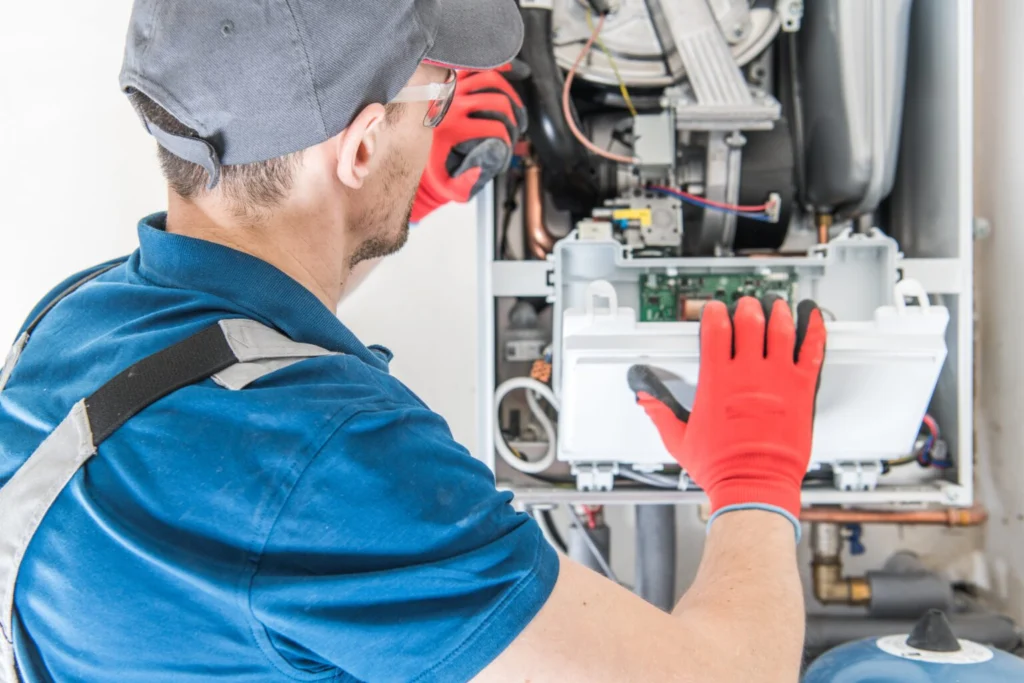
Before diving into the installation process, it’s crucial to assess your heating needs. Consider the size of your home, the local climate, and your budget. This initial evaluation is one of the most important steps in Gas Furnace Installation, ensuring you choose a system that fits your home’s requirements. Whether it’s a residential furnace installation or a commercial one, choosing the right furnace type is essential.
Table of Contents
Key Factors to Consider Before Choosing a Gas Furnace
Key Takeaways
Choosing the right gas furnace in 2025 starts with evaluating home size/insulation, climate, budget, and local fuel availability to select natural gas, propane, or high-efficiency models. Proper preparation includes confirming space and ventilation, securing permits, vetting a licensed contractor, and budgeting for potential HVAC upgrades. Installation requires safe removal of the old unit, precise gas/electrical/duct/vent connections, and thorough testing for leaks, airflow, thermostat response, and calibration. Ongoing maintenance, efficiency upgrades, and safety measures like CO detectors sustain performance, with providers like BOOST SERVICES offering end-to-end support in Pasadena.
Summary
Successful gas furnace installation in 2025 begins with evaluating home size and insulation, local climate, budget, and fuel availability to choose among natural gas, propane, or high-efficiency models. Preparation involves confirming space and ventilation, securing permits, selecting a qualified contractor, and budgeting for possible HVAC upgrades. Installation includes safe removal of the old unit, accurate gas/electrical/duct/vent connections, and thorough testing for leaks, airflow, and thermostat control. Afterward, maintain performance with regular service, efficiency improvements, and safety measures like CO detectors; BOOST SERVICES provides end-to-end support for Pasadena homeowners.
Evaluating Home Size and Insulation
The size of your home plays a pivotal role in determining the furnace capacity required. Larger homes may require furnaces with higher BTU outputs to ensure even heating throughout the space. Additionally, the quality of insulation in your home can impact the efficiency of your furnace. Well-insulated homes retain heat better, reducing the demand on your furnace and potentially lowering energy costs.
Climate Considerations
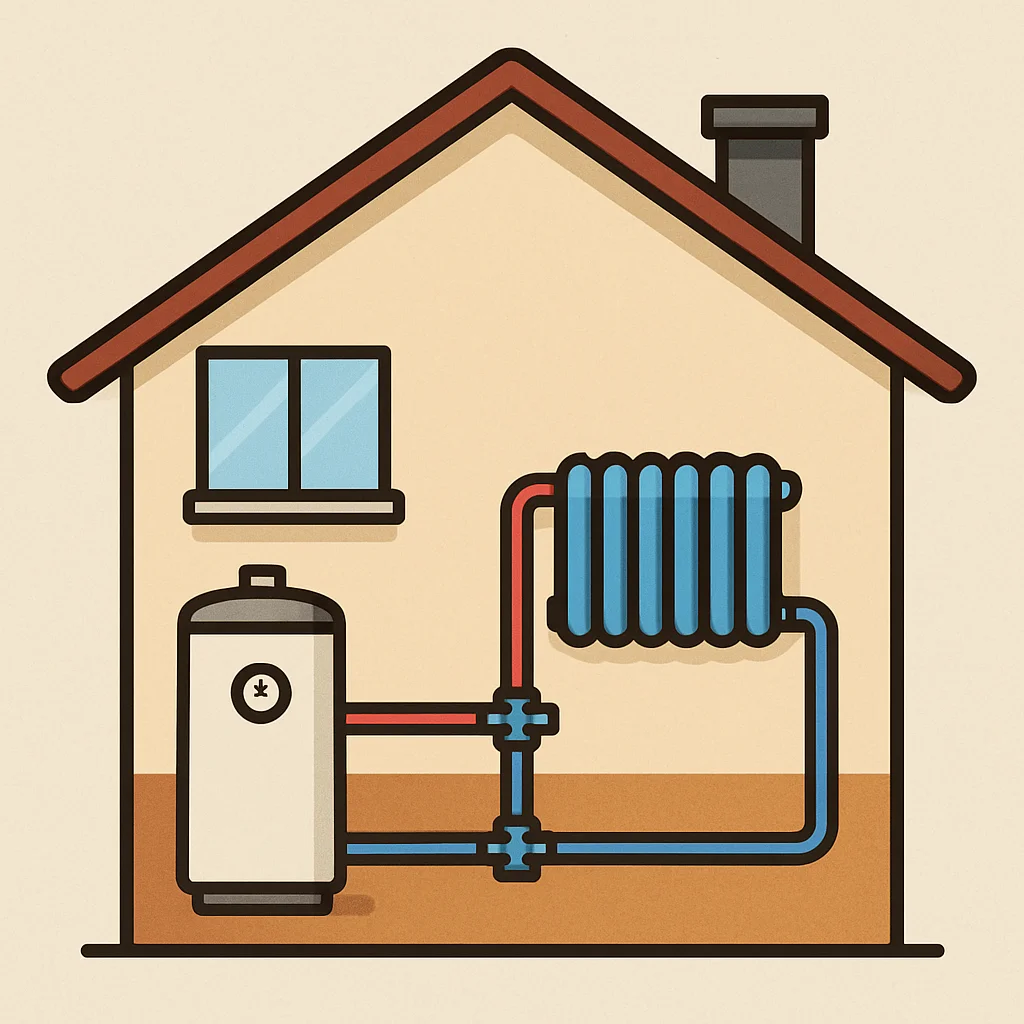
The local climate should heavily influence your furnace choice. In colder regions, a high-efficiency furnace may be more beneficial, providing consistent heat during long winters. Conversely, milder climates might not necessitate the highest efficiency models, allowing homeowners to save on initial installation costs. Understanding the specific climate challenges of your area will help you choose a furnace that meets your heating demands without excessive energy consumption.
Budget and Fuel Availability
Budget constraints will also play a role in your decision-making process. It’s important to balance upfront costs with long-term savings. High-efficiency models may have a higher initial price but can result in substantial savings on energy bills over time. Additionally, consider the availability and cost of fuel in your area. Natural gas lines might not be accessible in all regions, making propane or electric furnaces a more viable option.
Types of Gas Furnaces
- Natural Gas Furnace: Ideal for areas with natural gas lines, offering efficient and cost-effective heating. These are often the most economical option where natural gas is readily available.
- Propane Furnace: Suitable for homes without natural gas access, providing reliable heating with propane tanks. Propane is often used in rural areas where natural gas pipelines are not present.
- High-Efficiency Furnaces: These models offer better energy savings and lower utility bills. They often feature advanced technology like variable speed blowers and dual heat exchangers for improved performance.
Preparing for Installation
Proper preparation is key to a smooth installation process. Here are the steps to follow:
Assess Your Space
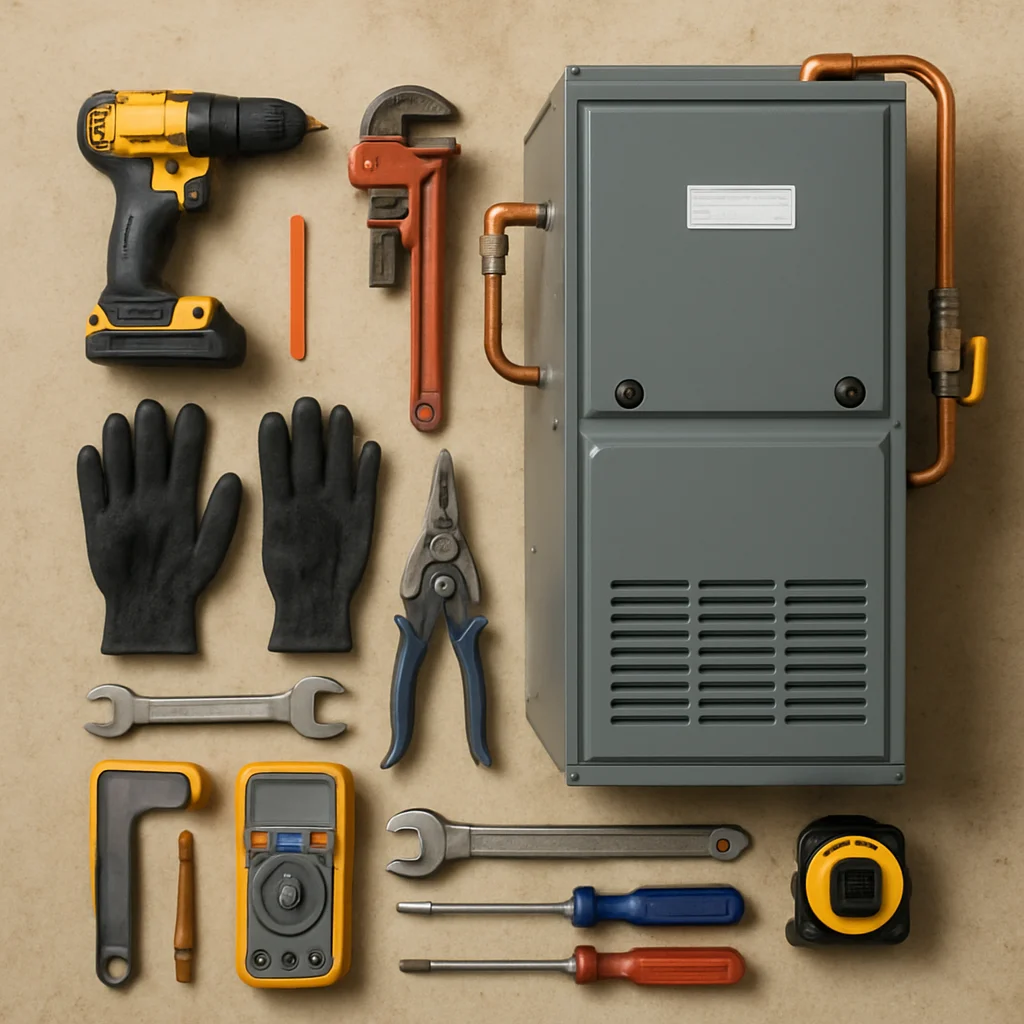
Ensure there’s adequate space for the furnace and that it meets all building codes and manufacturer requirements. The location should allow for proper ventilation and easy access for future maintenance. It’s essential to check the clearance requirements specified by the furnace manufacturer to avoid installation issues and ensure safety.
Evaluate Ventilation Needs
Proper ventilation is crucial for the safe operation of a gas furnace. Assess the existing ventilation system to determine if upgrades are necessary. Modern furnaces often require specialized venting systems to expel exhaust gases safely, minimizing the risk of carbon monoxide buildup.
Gather Necessary Permits
Check with your local building authority to determine if you need permits for the installation. Compliance with local regulations is essential to avoid potential issues down the line. Failing to secure the necessary permits can lead to fines and may invalidate your warranty or homeowner’s insurance.
Choose a Reliable Contractor
While DIY furnace replacement might be tempting, hiring a professional ensures safety and efficiency. At BOOST SERVICES, our team is ready to provide expert guidance and installation services, ensuring your furnace is installed correctly and safely. Research potential contractors by checking reviews, asking for references, and verifying their licenses and insurance coverage.
Budgeting for Installation
Consider all costs involved in the installation process, including potential modifications to your home’s HVAC system. Unexpected expenses can arise, such as the need to upgrade electrical circuits or ductwork, so it’s wise to budget for contingencies. Discuss the scope of the project with your contractor to get a comprehensive estimate and avoid surprises.
The Installation Process
The actual installation involves several critical steps. Here’s how it unfolds:
Removing the Old Furnace
- Power Off: Ensure the power and gas supply to the old furnace are turned off. Safety is paramount, so double-check that all power sources are disconnected before proceeding.
- Disconnecting: Carefully disconnect the gas line, electrical connections, and ductwork. Label wires and take photos if needed to make reconnecting components easier.
- Remove the Unit: Safely remove the old furnace, taking care to avoid damaging surrounding areas. Proper disposal of the old unit is essential, often requiring adherence to local environmental regulations.
Installing the New Furnace
- Position the Furnace: Place the new furnace in the designated area, ensuring it’s level and stable. Use a spirit level to verify alignment, which is crucial for optimal performance and longevity.
- Connect the Gas Line: Securely attach the gas line to the furnace, checking for leaks with a gas leak detector. A professional should handle this step to ensure compliance with safety standards.
- Electrical Connections: Connect the furnace to your home’s electrical system, ensuring all connections are secure. Use appropriate wire gauges and ensure all connections are tight to prevent electrical hazards.
- Attach the Ductwork: Connect the furnace to the existing ductwork, sealing all joints to prevent air leaks. Proper sealing is critical to maintain efficiency and prevent loss of heated air.
- Ventilation Setup: Ensure the furnace is properly vented according to the manufacturer’s instructions. This might involve installing new vent pipes or modifying existing ones to accommodate the new furnace design.
Testing the System
Once the installation is complete, it’s crucial to test the system to ensure everything is functioning correctly.
- Check for Gas Leaks: Use a gas leak detector around connections. This step is crucial to prevent dangerous gas accumulations and ensure safety.
- Test the Thermostat: Set your thermostat to various temperatures to ensure the furnace responds appropriately. A properly functioning thermostat is vital for maintaining desired comfort levels.
- Inspect Airflow: Check that all vents are delivering warm air and that there’s no blockage. Adjust dampers as necessary to achieve balanced airflow throughout the home.
- System Calibration: Fine-tune the furnace settings to ensure optimal performance and efficiency. This may involve adjusting blower speeds or burner settings.
Post-Installation Considerations
Regular Maintenance
Regular maintenance is essential to keep your furnace running efficiently. Schedule annual check-ups with a professional to inspect and clean the system. This helps in prolonging the life of your furnace and maintaining optimal performance. Routine maintenance should include cleaning burners, inspecting heat exchangers, and checking ignition systems.
Energy Efficiency Tips
- Seal Windows and Doors: Prevent heat loss by ensuring all windows and doors are well-sealed. Use weatherstripping or caulk to fill gaps and improve energy efficiency.
- Use a Programmable Thermostat: Optimize energy use by setting temperatures to lower when you’re asleep or away. This simple device can significantly reduce energy consumption and save money on heating bills.
- Upgrade Insulation: Consider adding insulation to your attic or walls to further reduce heat loss and improve overall energy efficiency.
Safety Precautions
- Carbon Monoxide Detectors: Install detectors to monitor CO levels in your home. Test them regularly and replace batteries as needed to ensure they function correctly.
- Regular Filter Changes: Replace furnace filters every 1-3 months to ensure clean airflow and efficiency. Dirty filters can restrict airflow and reduce furnace performance.
- Emergency Preparedness: Familiarize yourself with emergency shut-off procedures for your furnace. Knowing how to quickly turn off the system in case of a malfunction is crucial for safety.
Why Choose BOOST SERVICES?
At BOOST SERVICES, we pride ourselves on offering expert heating and cooling solutions tailored to your needs. Our dedicated team is committed to delivering exceptional customer service and satisfaction. We understand the importance of reliability and efficiency, especially during the chilly months in Pasadena.
Comprehensive Services
Our approach is both personal and professional, ensuring that your furnace installation is handled with care and expertise. We offer a range of services, from initial consultation to post-installation support, ensuring all your HVAC needs are met.
Experienced Technicians
Our technicians are highly trained and experienced in handling all types of furnace installations. They are equipped with the latest tools and technology to ensure a seamless installation process, minimizing any disruptions to your daily routine.
Customer Satisfaction
We are committed to ensuring our clients are completely satisfied with our services. This commitment is reflected in our high customer retention rates and positive reviews. We work closely with you to understand your needs and provide solutions that exceed expectations.
Call to Action
Ready to install a new furnace or need assistance with your heating system? Contact BOOST SERVICES today at 818-277-5056 or 747-264-6358. Let us help you stay warm and comfortable with our expert HVAC services in Pasadena.
In conclusion, installing a gas furnace involves careful planning and execution. By following these essential steps, you can ensure a safe and efficient installation process. Remember, while DIY projects can be rewarding, the expertise of a professional ensures peace of mind and optimal performance. Trust BOOST SERVICES for all your HVAC needs, and experience the warmth and comfort you deserve.
Gas Furnace Installation walks you through critical planning, preparation, and execution tips so your new furnace operates safely and efficiently. Following these steps helps you avoid issues, save on future repairs, and enjoy consistent warmth.
FAQ:
What are the basic steps involved in gas furnace installation?
Gas furnace installation typically includes assessing your home and load needs, preparing the installation area, connecting gas lines and electrical wiring, setting up venting, and testing the system for safe operation.
Do I need to hire a professional to install a gas furnace?
Yes — due to safety concerns with gas connections, venting, and local building codes, professional HVAC installation is strongly recommended to ensure safe, efficient, and code-compliant operation.
How long does a typical gas furnace installation take?
Most standard installations take between 4–8 hours, depending on complexity, ductwork condition, and whether existing systems need to be removed or modified.
What should I prepare before the installation day?
Clear the area around the furnace location, ensure easy access to power and gas shutoff valves, move furniture or stored items, and secure pets to create a safe workspace for technicians.
Are permits or inspections required for gas furnace installation?
In many areas, yes — local building codes often require permits and a post-installation inspection to verify that the system meets safety standards and complies with regulations.
What happens after the furnace is installed?
After installation, technicians perform system startup, calibration, and safety testing — including checking gas lines and thermostat integration — and may provide operational guidance and warranty registration instructions.