

TL;DR Summary for Those in a Hurry:
- Gas and Electric Heating Systems to Stay Warm help homeowners compare heating options to choose the most efficient and cost-effective system for their home. This guide explains key differences so you can make a smart, confident decision.
- Compare gas vs. electric systems to understand efficiency and operating costs
- Identify what fits your home based on size, climate, and energy availability
- Choose a reliable heating solution that delivers consistent comfort
- Avoid costly mistakes by selecting the right system upfront
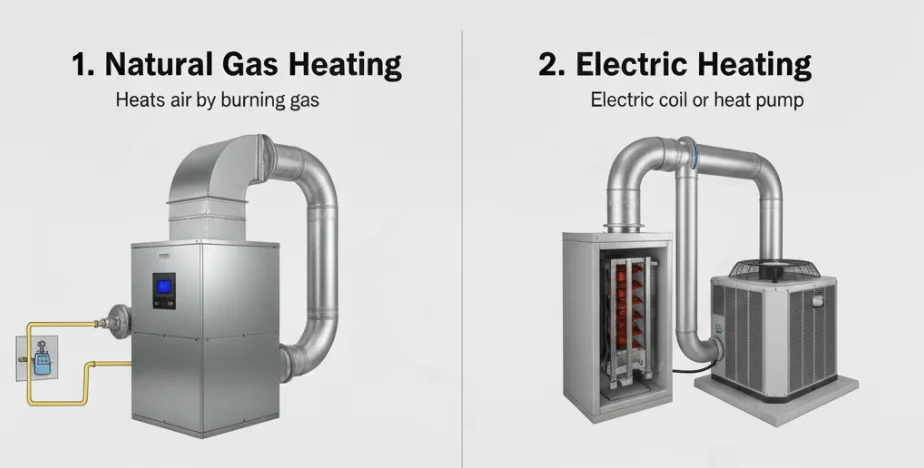
Choosing the right heating system is crucial for comfort during the cold winter months. Many homeowners compare Natural Gas and Electric Heating Systems to Stay Warm when deciding on the best option for winter comfort. Natural gas and electric heating systems are two popular options. Each has its own benefits and drawbacks.
Natural gas furnaces are known for their efficiency and cost-effectiveness. They provide quick and powerful heating, making them ideal for colder climates. However, they require a connection to a natural gas line.
Electric heating systems, on the other hand, are often easier to install. They offer quieter operation and require less maintenance. They can be more environmentally friendly if powered by renewable energy.
The decision between these systems depends on various factors. Consider your local climate, energy costs, and personal preferences. It’s important to weigh the long-term savings against the initial investment.
In Pasadena, where winters can be chilly, choosing the right system is essential. Understanding the differences can help you make an informed decision. This guide will explore the key aspects of both systems.
Table of Contents
Understanding How Natural Gas and Electric Heating Systems Work
Heating systems operate on different principles to keep your home warm. Understanding how each type functions can guide your decision.
A natural gas furnace uses a forced air gas furnace to convert fuel into heat. The combustion process warms air, which is then distributed through ducts. This system is efficient and provides rapid, even heating.
In contrast, electric heating systems utilize electrical resistance. Electricity passes through elements, generating heat without combustion. This process can be adapted to a variety of installations like baseboard heaters or central systems.
Here’s a quick summary of how these systems work:
- Natural Gas Furnace: Burns natural gas; heats air via combustion.
- Electric System: Uses electric resistance; heats through electrical current.
Both systems have their own sets of features and benefits. Natural gas furnaces are more energy-efficient in colder climates due to their rapid heating. Electric systems offer flexibility and a cleaner operation, especially suitable for homes without gas lines.
Understanding these basics helps in choosing a system that suits your needs and preferences.
Key Differences: Natural Gas Furnace vs. Electric Heating Systems
When comparing natural gas furnaces and electric heating systems, several key differences stand out. These differences influence suitability for various households.
Natural gas furnaces provide quick and powerful heating. They are ideal for areas with harsh winters. This speed and efficiency make them preferable in colder climates.
Electric heating systems, however, are often quieter and require less maintenance. They provide consistent, even heat without the need for fuel storage or venting. This can be beneficial in urban settings or smaller homes.
Cost is another major factor. Natural gas furnaces might have higher installation costs due to needed infrastructure. In contrast, electric systems usually have simpler, cheaper installations.
Key differences include:
- Efficiency and Speed: Gas furnaces heat quickly, while electric systems are more consistent.
- Installation Costs: Typically higher for gas due to required gas lines.
- Maintenance Needs: Electric systems often have lower maintenance demands.
Safety and environmental impact also vary. Electric systems are safer, as they eliminate the risk of gas leaks. They can also be powered by renewable energy, reducing their carbon footprint.
Ultimately, the right choice depends on individual needs and circumstances. Assess these factors to make an informed decision that suits your home and lifestyle.
Installation: What to Expect and What It Costs
When installing a new heating system, consider both the process and the associated costs. Each type of heating system presents unique installation requirements.
Natural gas furnaces generally demand more complex installations. This involves connecting to a gas line, which may require professional expertise. Additionally, permits and inspections might be necessary to ensure safety compliance.
In contrast, electric heating systems often have simpler installation processes. They usually involve fewer components and can often be integrated into existing electrical systems. This simplicity can result in lower initial costs compared to gas systems.
It’s crucial to budget for these installation costs. Gas furnace installations typically range from $2,500 to $7,500. The variability depends on factors like furnace size and complexity. Electric systems tend to have a lower installation cost, which can be appealing for budget-conscious homeowners.
Cost factors include:
- System Type: Gas systems typically require higher upfront investment.
- Home Infrastructure: Existing setup can influence installation complexity.
- Permits and Compliance: Required more often for gas systems.
Installation costs shouldn’t be the sole factor in your decision. Consider long-term savings and efficiency, especially if you plan to stay in your home for many years. Weigh these factors to choose a system that suits your needs and budget effectively.
Selecting the right professional installer is critical for both system types. Ensure they are experienced, licensed, and aware of local codes and regulations.
Operating Costs and Energy Efficiency
Heating your home efficiently is a priority for most homeowners. Selecting the right system helps you control ongoing energy expenses.
Natural gas furnaces are known for their cost-effectiveness. Typically, gas prices are lower than electricity rates. This makes gas systems a favorable choice for those seeking long-term savings.
However, electric heating systems offer other efficiencies. They can operate with precise temperature control. This feature reduces overall energy waste, which can be particularly advantageous in milder climates.
The initial operating cost of a natural gas system is lower. Yet, this can fluctuate with changes in gas prices. It’s essential to consider local energy costs when evaluating options.
Electric systems shine in their simplicity. With no need for fuel deliveries, they tend to have stable running costs. Moreover, pairing electric systems with solar panels can further enhance efficiency.
Factors influencing operating costs and efficiency include:
- Fuel Type: Natural gas offers lower initial costs but price volatility.
- Efficiency Ratings: High-efficiency units cost more upfront but save over time.
- Usage Patterns: Tailored settings reduce waste and lower expenses.
Choosing between systems depends on your local climate and energy costs. Consider your long-term financial and environmental goals when selecting a system. This choice will significantly impact your home’s comfort and budget.
Safety Considerations for Your Home or Business
Prioritizing safety is crucial when selecting a heating system. Both natural gas and electric systems present unique safety considerations.
Natural gas furnaces pose certain risks. These include the potential for carbon monoxide leaks, which can be hazardous. Regular maintenance and carbon monoxide detectors are essential for safety.
Electric heating systems generally offer a safer alternative. They eliminate the risk of gas leaks and reduce fire hazards. This makes them a preferred choice for homes and businesses focused on safety.
Implement safety practices regardless of the system you choose. Key safety measures include:
- Routine Inspections: Regularly inspect all heating components.
- Professional Maintenance: Schedule check-ups with HVAC professionals.
- Ventilation: Ensure proper ventilation for gas systems.
- Fire Alarms: Install alarms as an additional safety precaution.
By focusing on these safety measures, you ensure peace of mind for occupants. Choosing the right system extends beyond cost, significantly impacting safety and overall comfort.
Maintenance, Repairs, and Longevity
Maintenance plays a pivotal role in the performance and lifespan of your heating system. Natural gas furnaces generally require more upkeep compared to electric units.
Gas furnaces need regular inspections and cleaning to ensure safe operation. Ignoring maintenance can lead to issues like inefficient heating or carbon monoxide leaks. Scheduling annual tune-ups is highly recommended.
Electric systems, conversely, boast a reputation for being low-maintenance. They tend to last longer, with fewer components that require regular servicing. This characteristic reduces both repair frequency and costs.
Understanding the lifespan differences between these systems can influence your choice. Gas furnaces typically last between 15 to 20 years with proper care. Electric systems often reach up to 30 years under similar conditions, offering a longer service duration.
To enhance longevity and minimize repairs, consider the following:
- Schedule Regular Maintenance: For both systems, annual checks are crucial.
- Replace Filters: Regularly change filters for efficient operation.
- Monitor Performance: Watch for signs of wear or inefficiency.
Proper maintenance strategies extend the life of your heating system, ensuring warmth and comfort throughout the years.
Environmental Impact: Which System Is Greener?
Choosing a heating system often involves considering its environmental impact. Electric systems have a clear advantage when connected to renewable energy sources like solar or wind.
Gas furnaces, however, rely on fossil fuels. They emit carbon dioxide, contributing to a larger carbon footprint. This reliance can be less favorable for eco-conscious homeowners.
Electric heating systems generally have fewer emissions. While electricity production may involve fossil fuels, the transition to greener sources is underway. This shift enhances the appeal of electric systems.
When evaluating the environmental impact, consider:
- Fuel Source: Gas uses non-renewable resources, whereas electricity can utilize renewables.
- Carbon Footprint: Electric systems potentially lower carbon emissions.
- Future Compatibility: Electric integrates better with sustainable energy advancements.
Ultimately, your choice affects not just your comfort but also the planet’s health. Consider your energy source options when deciding.
Comfort, Performance, and User Experience
When it comes to comfort, gas furnaces are often praised for providing powerful and consistent heat. This makes them ideal for colder climates and large homes.
Electric systems, however, allow for more precise temperature control. Programmable thermostats offer the ability to set different temperatures for specific times of day.
Performance is a key consideration. Gas furnaces heat spaces quickly, delivering warmth faster. Electric systems excel in milder climates and smaller spaces, offering steady heat at a controlled pace.
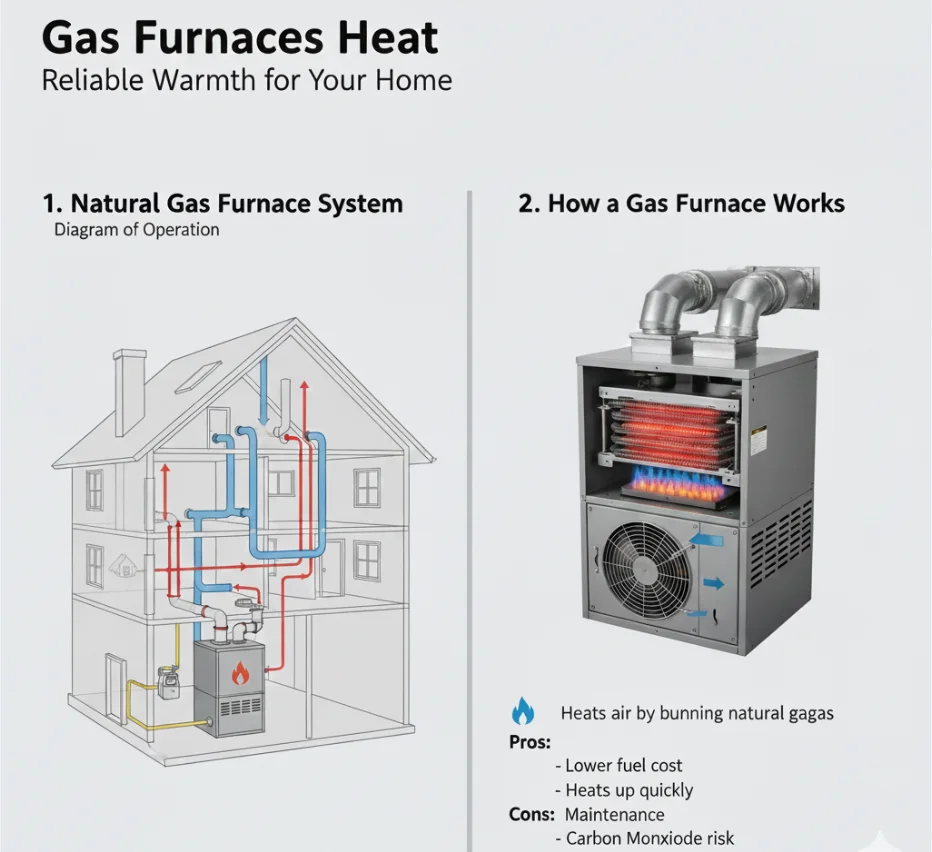
For a comprehensive view, weigh these aspects:
- Temperature Control: Electric systems excel with programmable options.
- Heating Speed: Gas provides rapid warmth.
- Space Suitability: Electric systems suit smaller areas well.
In terms of user experience, electric systems often win. Their quieter operation and sleek designs integrate effortlessly into modern homes.
Choosing the Right System for Pasadena’s Winter Climate
Pasadena’s mild winters require careful consideration when choosing a heating system. The city’s climate is characterized by cool, not freezing, temperatures.
A natural gas furnace provides ample heat for those occasional chilly nights. However, the quick warmth of a gas system might be more than necessary for Pasadena’s weather.
Electric heating systems offer greater flexibility and control. They are ideal for maintaining a comfortable, steady temperature without overdoing it.
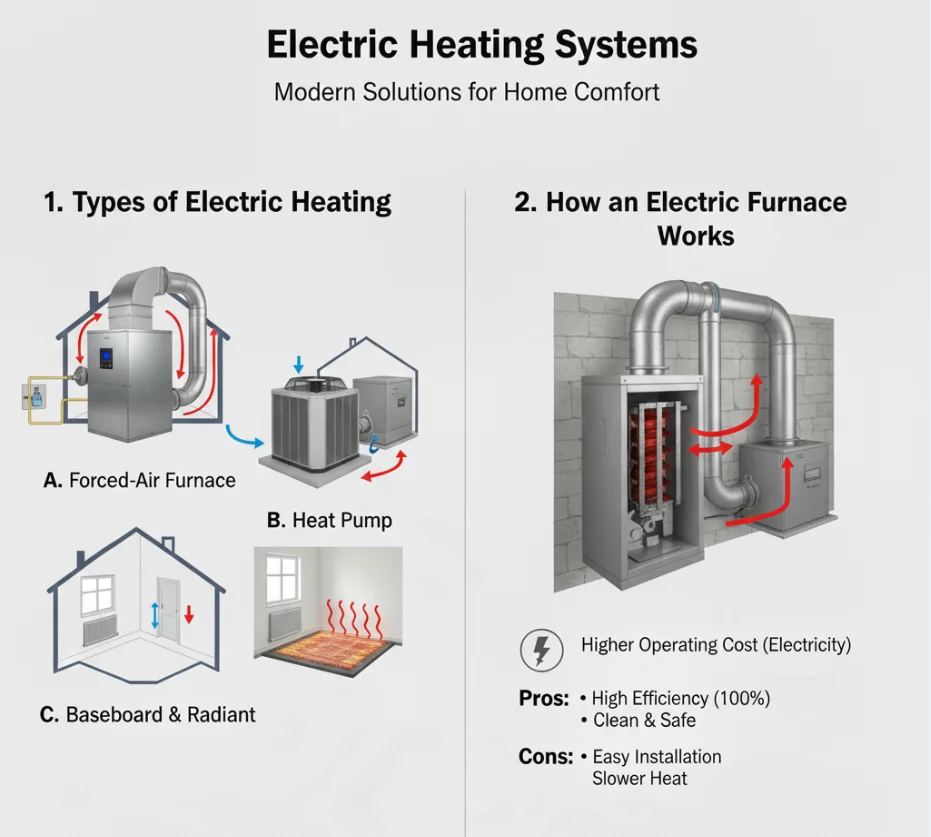
Keep these points in mind when choosing:
- Climate Suitability: Electric systems excel in milder weather.
- Heat Need: Evaluate how much heat is truly necessary.
- Efficiency: Consider energy efficiency for long-term savings.
In making your choice, consider both efficiency and your personal comfort preferences. The right system aligns with your household’s needs and budget, ensuring warmth without waste.
Community Trust and Fast Service: Why Choose BOOST SERVICES
In Pasadena, your comfort is crucial, especially during cold winter months. At BOOST SERVICES, we pride ourselves on offering reliable and speedy HVAC solutions tailored to meet your needs effectively.
Our commitment extends beyond just service; it includes building strong community relationships. We have a reputation for top-notch service and unmatched customer satisfaction.
Choosing BOOST SERVICES means benefiting from:
- Expert Technicians: Our team is skilled in both gas and electric systems.
- Prompt Response: We prioritize quick and efficient service.
- Community Focus: Building trust with personalized solutions.
Whether you’re a homeowner or an entrepreneur, we ensure your heating system operates optimally throughout winter. For trusted service, contact BOOST SERVICES today at 818-277-5056 or 747-264-6358.
Conclusion: Comparing Natural Gas and Electric Heating Systems to Stay Warm
Choosing between a natural gas furnace and an electric heating system involves careful consideration of several factors. Your choice should align with your comfort needs, budget constraints, and environmental priorities.
Both systems offer distinct advantages. Natural gas furnaces generally provide more cost-effective long-term heating, while electric systems offer ease of installation and versatility. Consider your local climate, access to natural gas, and any potential safety concerns.
Ultimately, the decision will depend on your specific circumstances and preferences. Evaluate the overall costs, efficiency, and environmental impact to select the system that best suits your home or business.
Gas and Electric Heating Systems to Stay Warm offer different benefits depending on your needs and energy setup. Understanding these differences helps you choose a system that keeps your home warm and efficient.
FAQ:
What’s the difference between gas and electric heating systems?
Gas heating systems burn natural gas or propane to generate heat, often providing quicker warmth and typically lower operating costs, while electric systems convert electricity directly into heat with fewer mechanical parts and lower maintenance needs.
Which heating system is more energy-efficient?
Electric systems can be nearly 100% efficient in converting electricity to heat, but gas systems tend to heat spaces faster and can be more cost-effective where gas is cheaper than electricity.
How do installation and operating costs compare?
Electric heating systems generally have lower upfront installation costs, while gas systems may cost more to install but often have lower long-term operating costs in regions with affordable gas.
Are there safety or maintenance differences between gas and electric heating?
Gas systems require regular safety checks and maintenance due to combustion components and the risk of leaks, whereas electric systems typically need less frequent servicing because they lack fuel combustion.
Which system is better for extreme cold climates?
Gas heating systems usually perform better in very cold climates, providing consistent heat even in freezing temperatures, whereas some electric options like heat pumps are more efficient in moderate conditions.
How do environmental factors impact the choice between gas and electric heating?
Gas systems emit carbon during combustion, whereas electric heating produces no on-site emissions — though the overall environmental impact depends on how the electricity is generated.