
TL;DR Summary for Those in a Hurry:
- Capacitor Booster upgrades help home AC systems start more smoothly by reducing electrical strain on the compressor and fan motors.
- This added support improves overall performance, especially in older units or systems that struggle during startup.
- Homeowners benefit from more reliable cooling, fewer hard starts, and reduced wear on critical AC components.
- Professional evaluation ensures a capacitor booster is the right solution for improving efficiency and extending system lifespan.
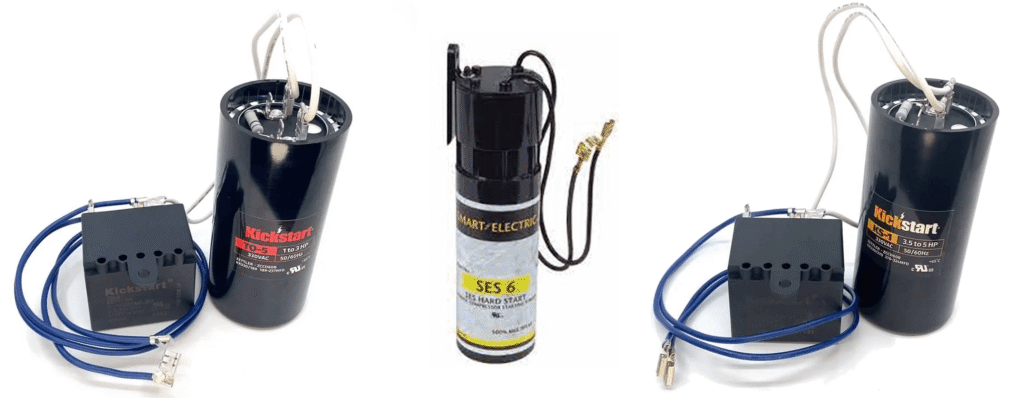
A home air conditioning system is more than just a box that blows cold air. Behind every comfortable indoor environment is a complex network of electrical and mechanical components working together. When one of these elements struggles, overall system performance suffers. One often overlooked upgrade that can significantly improve AC performance is a capacitor booster. Capacitor Booster Improves AC Performance by supporting smoother startups, stabilizing electrical flow, and reducing strain on critical HVAC components.
Understanding how a capacitor booster works and when it is beneficial can help homeowners unlock their AC’s full potential, improve energy efficiency, and extend the life of their HVAC system.
Table of Contents
Understanding How Home AC Systems Work
Before diving into capacitor boosters, it’s important to understand how a residential air conditioner operates. A standard AC system relies on several key components:
- Compressor
- Condenser coil
- Evaporator coil
- Fan motors
- Electrical capacitors
The compressor and fan motors require a significant amount of electrical power to start and run. When electrical support is insufficient, the system may struggle, leading to poor performance, higher energy use, and premature wear.
What Is a Capacitor in a Home AC System?
A capacitor is an electrical device that stores and releases energy. In HVAC systems, capacitors help start and run motors by delivering a quick burst of power when needed.
Most home AC units use:
- Start capacitors to help motors start
- Run capacitors to maintain steady operation
Over time, capacitors weaken due to heat, age, and electrical stress. When this happens, the system may still run, but not efficiently.
What Is a Capacitor Booster?
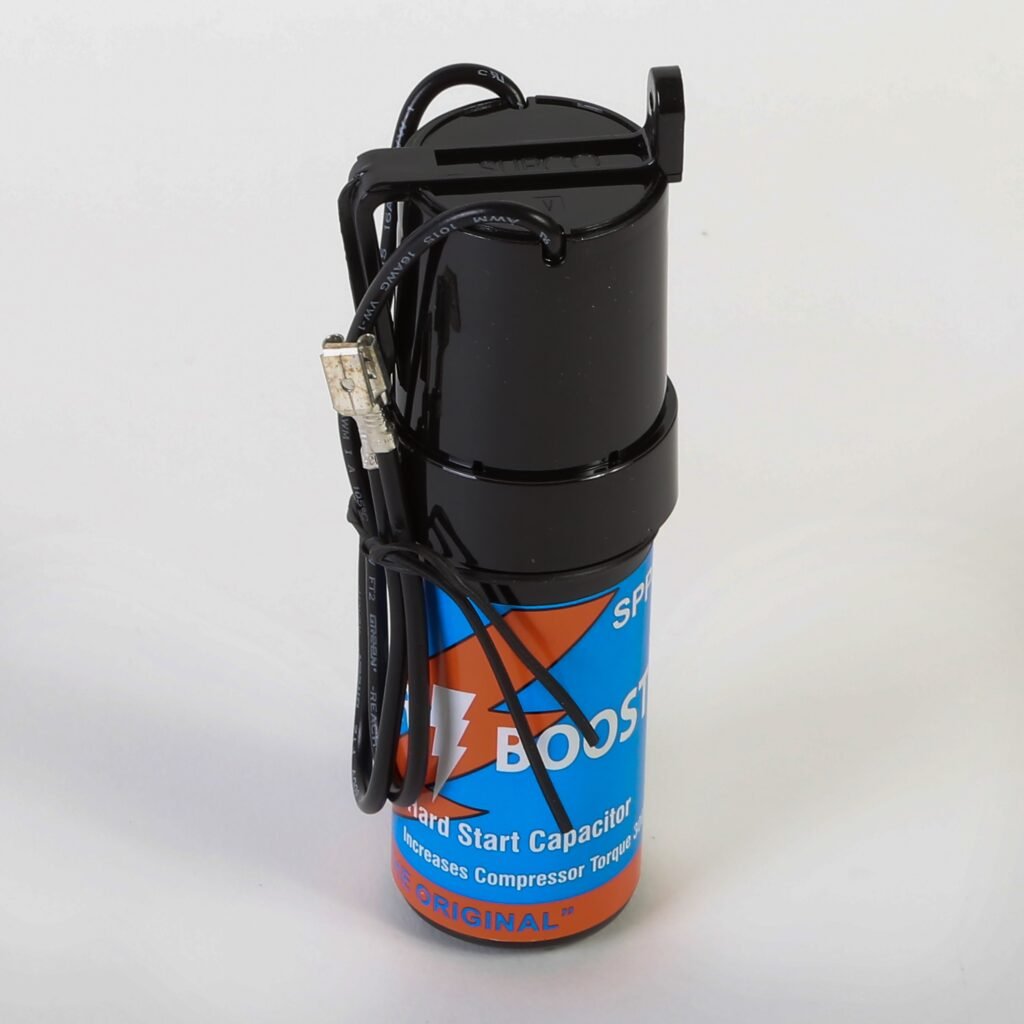
A capacitor booster (sometimes referred to as a hard start assist device) works alongside the existing capacitor to provide additional electrical support during startup. It is designed to help the compressor overcome resistance when starting, especially under heavy load conditions.
Unlike replacing a failing capacitor, a booster enhances the system’s ability to start smoothly and operate more reliably, particularly in older or heavily used AC units.
Why AC Systems Struggle Without Electrical Support
The moment an AC system starts is when it experiences the highest electrical demand. Several factors can make this startup more difficult:
- Aging compressors
- High outdoor temperatures
- Voltage fluctuations
- Dirty coils or restricted airflow
- Long operating cycles
When the compressor struggles to start, it draws excessive current, causing stress on electrical components and increasing the risk of failure.
How a Capacitor Booster Improves AC Performance
A capacitor booster provides additional starting torque to the compressor, reducing the effort required to begin operation.
Performance improvements include:
- Faster and smoother startups
- Reduced compressor strain
- More stable cooling cycles
- Fewer system interruptions
By supporting the compressor during its most demanding phase, the booster allows the system to run closer to optimal conditions.
The Impact on Energy Efficiency
Hard starts increase energy consumption. Each time the compressor struggles to start, it draws more power than necessary. Over time, this inefficiency adds up.
A capacitor booster minimizes hard starts, allowing the system to reach operating speed quickly. This results in:
- Lower peak energy draw
- Reduced overall electricity usage
- More consistent system performance
While a booster is not a replacement for energy-efficient equipment, it can meaningfully improve efficiency in existing systems.
Protecting the Compressor and Critical Components
The compressor is one of the most expensive components in a home AC system. Replacing it often approaches the cost of a full system replacement.
Repeated hard starts can:
- Overheat the compressor
- Damage internal windings
- Shorten system lifespan
A capacitor booster reduces startup stress, helping protect the compressor and extending the usable life of the entire system.
Signs Your Home AC May Benefit from a Capacitor Booster
Not every AC system requires a capacitor booster, but certain symptoms suggest it could be beneficial:
- The AC struggles to start
- Lights dim briefly when the AC turns on
- The system makes clicking or humming sounds during startup
- Frequent cycling during hot weather
- An older AC system still in otherwise good condition
These signs indicate electrical strain that a booster may help relieve.
Older AC Systems and Capacitor Boosters
As air conditioners age, internal resistance increases. Even well-maintained systems can struggle as compressors lose efficiency over time.
For older home AC units, a capacitor booster can:
- Restore reliable startups
- Reduce wear on aging components
- Delay costly system replacement
This makes boosters especially appealing for homeowners looking to extend the life of their current system.
Voltage Fluctuations and Electrical Stability
Homes in areas with inconsistent electrical supply or voltage drops may experience more frequent AC startup issues. Voltage fluctuations increase the likelihood of hard starts and component stress.
A capacitor booster helps compensate for these fluctuations by providing additional electrical support when the system needs it most.
Capacitor Booster vs. Replacing the Capacitor
It’s important to understand that a capacitor booster does not replace a failed capacitor. If a capacitor is defective, it must be replaced first.
The difference:
- Capacitor replacement restores basic function
- Capacitor booster enhances startup performance
In many cases, both work together to optimize system operation.
Installation Considerations for Home AC Systems
Capacitor boosters connect directly to high-voltage components inside the AC unit. Improper installation can result in electrical hazards or system damage.
Professional HVAC installation ensures:
- Correct compatibility with your system
- Safe wiring and connections
- Proper testing after installation
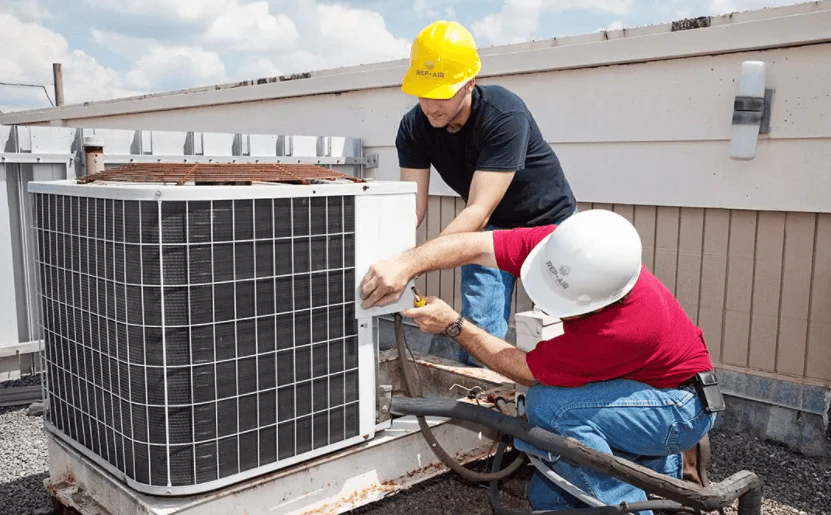
This guarantees the booster delivers benefits without introducing new risks.
Safety and Code Compliance
Residential HVAC systems must comply with electrical safety codes. A professional installer ensures that any added components meet local regulations and manufacturer guidelines.
This protects not only the system but also your home and its occupants.
Maintenance Still Matters
While a capacitor booster can enhance performance, it is not a substitute for proper HVAC maintenance.
For best results, it should be paired with:
- Regular filter replacement
- Coil cleaning
- Electrical inspections
- Airflow checks
A well-maintained system maximizes the benefits of any electrical upgrade.
Cost vs. Long-Term Value
Compared to major HVAC repairs or system replacement, a capacitor booster is a relatively low-cost upgrade. Its value lies in prevention rather than immediate dramatic savings.
Long-term benefits include:
- Fewer emergency repairs
- Improved system reliability
- Extended equipment lifespan
For many homeowners, this makes it a cost-effective investment.
Environmental Benefits of Improved AC Efficiency
More efficient AC operation reduces energy consumption, which lowers overall environmental impact. By minimizing wasted electricity during startup, capacitor boosters contribute to more sustainable home cooling.
While small on their own, these improvements add up when combined with other efficiency measures.
Who Should Consider a Capacitor Booster?
A capacitor booster is a smart option for homeowners who:
- Own an older but functional AC system
- Experience frequent hard starts
- Want to reduce wear on their compressor
- Prefer upgrading rather than replacing
A professional HVAC evaluation is the best way to determine suitability.
Common Myths About Capacitor Boosters
“They fix all AC problems”
False. Boosters address electrical startup issues, not mechanical or airflow problems.
“They replace maintenance”
False. Maintenance is still essential for system health.
“They work on every system”
False. Compatibility depends on system design and condition.
Professional Assessment Is Key
An HVAC technician evaluates:
- Compressor health
- Existing capacitor condition
- Electrical load and voltage
- Overall system efficiency
This ensures a capacitor booster is the right solution, not a temporary workaround.
Final Thoughts
Unlocking your AC’s full potential doesn’t always require replacing the entire system. A properly installed capacitor booster can significantly improve startup performance, protect critical components, and enhance overall efficiency in home air conditioning systems.
For homeowners seeking reliable cooling, lower strain on equipment, and extended system lifespan, a capacitor booster is a smart, practical upgrade — when paired with professional installation and ongoing maintenance.
If your AC shows signs of electrical strain or startup issues, a professional HVAC inspection can determine whether a capacitor booster is the right step toward better comfort and performance.
A Capacitor Booster enhances AC startup performance and protects key components. When installed professionally, it helps improve reliability, efficiency, and long-term comfort without replacing the entire system.
FAQ:
What is a Capacitor Booster and how does it help my home AC system?
A Capacitor Booster provides additional electrical support to your air conditioner’s compressor and fan motors during startup, helping the system start smoothly and run more efficiently.
How does a capacitor booster improve AC performance?
By reducing electrical strain and improving motor startups, a capacitor booster can enhance cooling consistency, reduce hard starts, and help the AC maintain optimal operation, especially during peak cooling demand.
Will a capacitor booster lower my energy bills?
Yes — by improving electrical efficiency during startup and reducing unnecessary strain on components, a capacitor booster can help lower energy use compared to systems experiencing frequent hard starts.
Is a capacitor booster a replacement for regular AC maintenance?
No — while a capacitor booster can enhance performance, regular HVAC maintenance (filter changes, coil cleaning, airflow checks) is still essential for overall system health.
Are capacitor boosters suitable for all AC systems?
Capacitor boosters are beneficial for many systems, particularly older units or those that struggle with electrical startup issues, but compatibility depends on your specific AC setup — a professional evaluation is recommended.
Do I need a professional to install a capacitor booster?
Yes — because capacitor boosters connect to high-voltage components inside your AC unit, professional HVAC installation ensures safe wiring, proper compatibility, and optimal performance.