
TL;DR Summary for Those in a Hurry:
- Common Air Conditioner Issues and Solutions helps you quickly identify typical AC problems and understand how to fix or prevent them.
- Learn to spot signs like weak airflow, strange noises, leaking, or frequent cycling so you can act before costs rise.
- The guide offers practical steps for troubleshooting, maintenance tips, and when to call a professional.
- Use these insights to improve performance, extend your AC’s life, and avoid unexpected breakdowns.
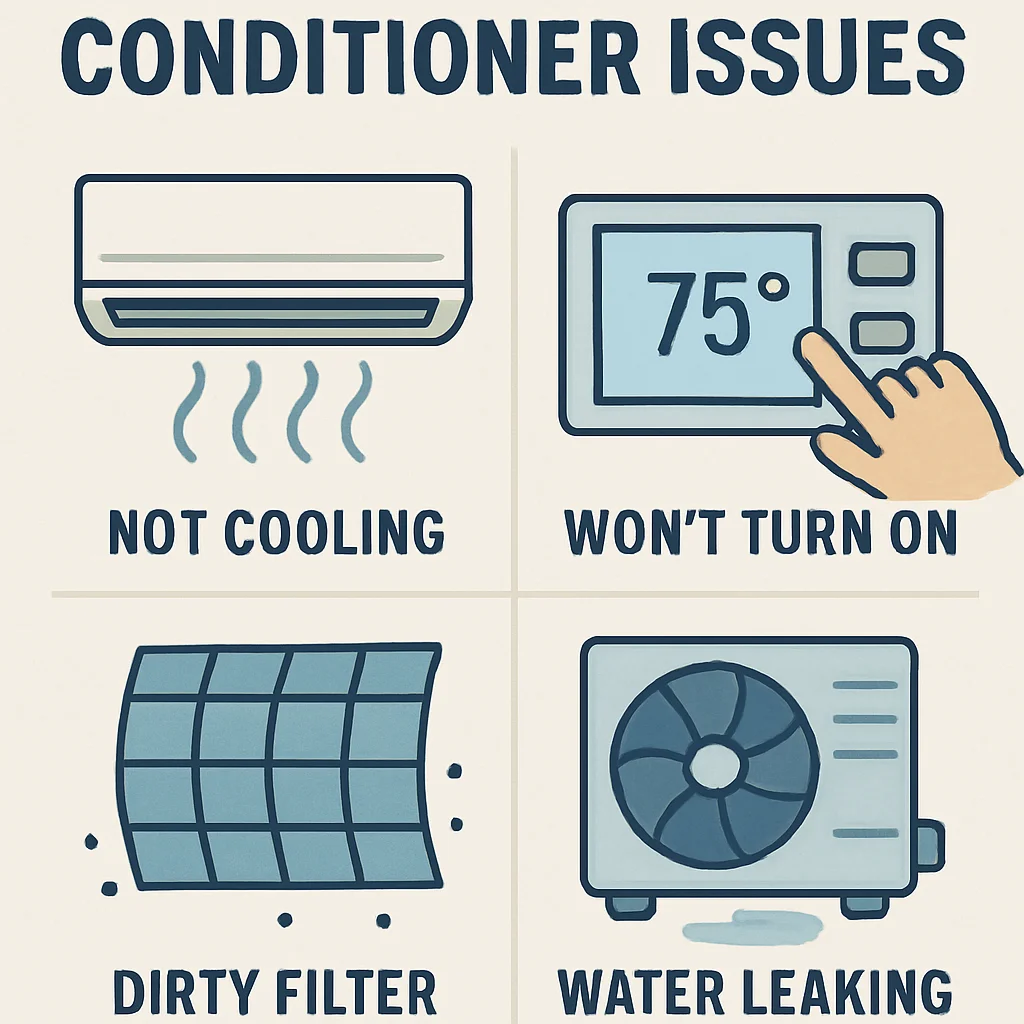
When the summer heat hits, having a well-functioning air conditioner is essential for comfort and health. But what happens when your air conditioner isn’t performing as it should? Common Air Conditioner Issues and Solutions can help you identify problems early and understand how to fix them. At BOOST SERVICES, we pride ourselves on offering expert HVAC solutions in Pasadena and surrounding areas. Our dedicated team is always ready to deliver top-notch customer service and satisfaction.
Table of Contents
Refrigerant Leaks: Causes, Risks, and Solutions
Refrigerant is crucial for cooling your home. If your air conditioner is low on refrigerant, it could be due to undercharging at installation or leaks. A leak not only reduces efficiency but also harms the environment.
The causes of refrigerant leaks can vary, from poor installation practices to wear and tear over time. Sometimes, the issue might stem from factory defects in the system components. Identifying the source of a leak can be tricky and requires specialized tools and expertise. This is why professional intervention is recommended for accurate diagnosis and repair.
Refrigerant leaks are not just a mechanical issue but an environmental concern as well. These leaks release harmful chemicals into the atmosphere, contributing to ozone depletion and climate change. Therefore, timely detection and repair are not only crucial for your system’s efficiency but also for environmental protection.
Solution: It’s essential to have a professional HVAC technician repair any leaks and recharge the refrigerant to the manufacturer’s specifications. Regular maintenance checks can prevent this issue from escalating. Professional technicians have the skills and tools necessary to ensure that the repairs are effective and long-lasting.
Thermostat Sensor Issues and System Performance
Air conditioners come with a thermostat sensor that measures the air temperature. If the sensor is knocked out of position, the air conditioner might cycle constantly or behave erratically.
Sensor problems can manifest in various ways, such as irregular cycling or inconsistent temperatures. If the air conditioner seems to struggle in maintaining the set temperature, a sensor issue might be the cause. Identifying these problems early can prevent more significant issues down the line.
The position of the sensor is critical for accurate temperature readings. It should be close to the coil but not touching it to ensure precise monitoring of the air temperature. Incorrect positioning can lead to inefficient cooling and increased energy consumption.
Solution: To fix this, the sensor should be positioned correctly. Adjustments should be made by a professional to avoid further damage. Experienced technicians can recalibrate the sensor to ensure optimal performance and prevent erratic system behavior.
Electrical Control Failures and Frequent Cycling
Frequent on and off cycling, often due to a dirty filter or other issues, can cause the compressor and fan controls to wear out. This is common in systems that are oversized for the space they are meant to cool.
Electric control failures can arise from several factors, including power surges, frequent cycling, and component wear and tear. Over time, these issues can lead to significant system failures if not addressed promptly.
Systems that are too large for the space they are cooling can cycle on and off more frequently, leading to premature wear of electrical components. This not only reduces the lifespan of the system but also increases energy costs due to inefficiency.
Solution: Regular inspections by an HVAC expert can ensure all electrical connections and contacts are in proper working condition, preventing failures. These inspections can catch potential issues early, saving you from costly repairs and ensuring consistent comfort.
AC Drainage Issues and Water Damage Risks
Air conditioners may not drain properly if they are not mounted levelly, or if the humidity is high. When the drainage system is blocked, it can cause water damage.
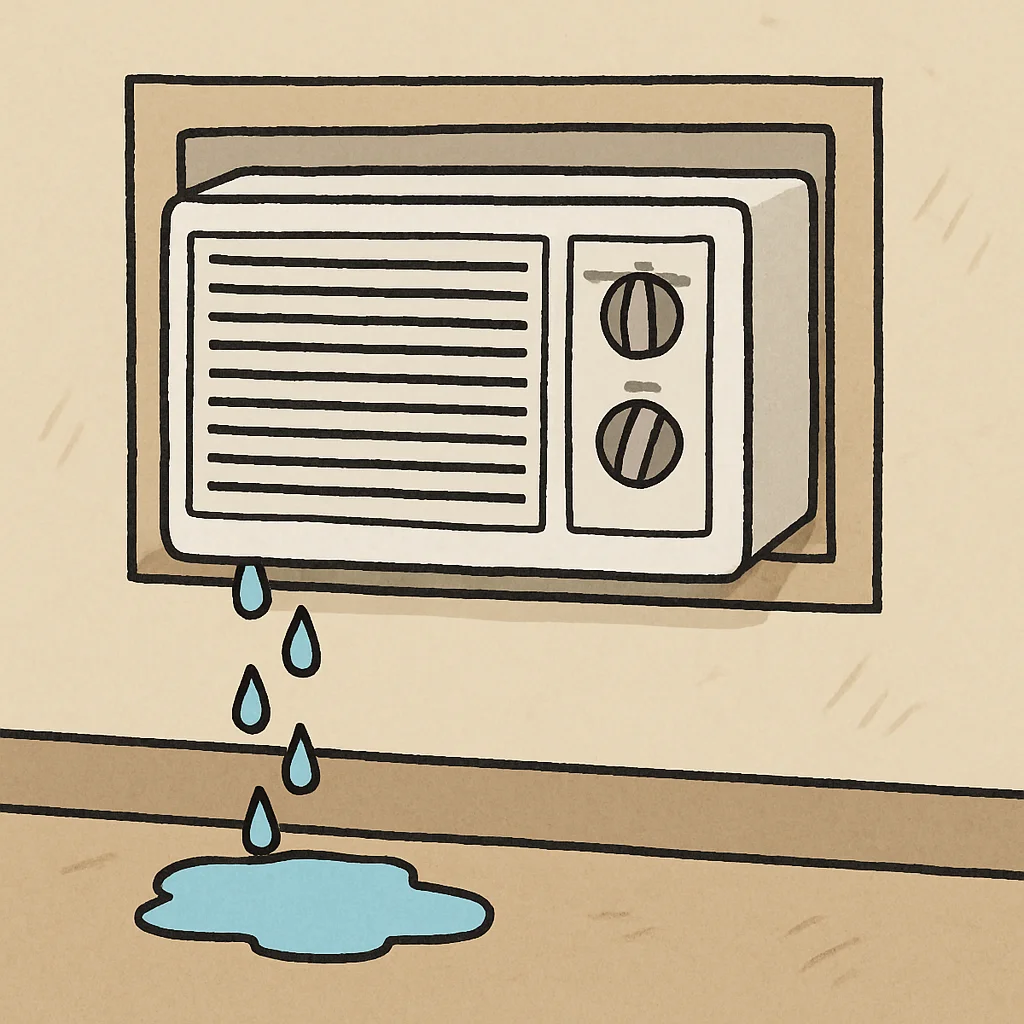
Improper installation and high humidity levels are common causes of drainage problems. When the system is not level, or when the drain is blocked, water can back up and cause damage to the unit and the surrounding area.
Poor drainage can lead to water damage within your home, affecting walls, ceilings, and floors. Additionally, it can create a breeding ground for mold and mildew, which can have health implications for occupants.
Solution: Ensure that your air conditioner is installed correctly and that the drains are checked and cleaned during regular maintenance visits. Professional installation and routine checks can prevent drainage issues and protect your home from potential water damage.
Importance of Routine AC Maintenance
Routine maintenance is key to preventing most air conditioner issues. A regular tune-up can help identify potential problems before they become major repairs. At BOOST SERVICES, we offer comprehensive maintenance plans that ensure your system runs efficiently year-round.
Regular maintenance extends the life of your air conditioning system, improves efficiency, and reduces the likelihood of unexpected breakdowns. It also ensures that your system is operating safely and efficiently, saving you money on energy bills.
During a maintenance check, technicians will inspect and clean essential components such as coils, fins, and filters. They will also check refrigerant levels, test for leaks, and ensure that all electrical connections are secure.
At BOOST SERVICES, we offer tailored maintenance plans to suit your specific needs. Our plans are designed to provide maximum convenience and value, ensuring that your system receives the care it needs throughout the year.
Filter Care and Indoor Air Quality
A dirty or clogged filter can restrict airflow, reducing efficiency and leading to more severe problems. Filters should be replaced every one to three months, depending on usage and filter type.
Clean filters are crucial for maintaining good air quality and ensuring efficient system operation. Dirty filters can lead to increased energy consumption and strain on the system, potentially causing more significant issues over time.
Selecting the right filter for your system is important for optimal performance. Consider factors such as filter type, efficiency rating, and your home’s specific needs when choosing a replacement filter.
Developing a regular filter replacement schedule can prevent issues related to airflow restriction and improve system efficiency. Depending on your usage and the type of filter you use, replacements should occur every one to three months.
Thermostat Settings and Home Comfort
Ensure your thermostat settings are optimal for your comfort and energy savings. Consider upgrading to a programmable thermostat for more precise control over your home’s temperature.
Proper thermostat settings can enhance comfort and save energy. During warmer months, setting the thermostat a few degrees higher when you’re away can lead to significant energy savings.
Programmable thermostats allow for more precise control over your home’s temperature, leading to increased comfort and energy savings. They offer the flexibility to create schedules that match your lifestyle, ensuring optimal efficiency.
Consider upgrading to a smart thermostat for even greater control and convenience. These devices can learn your preferences and adjust settings automatically, optimizing energy use and enhancing comfort.
Outdoor Unit Maintenance
The outdoor condenser unit should be free of debris and vegetation to allow proper airflow. Regular cleaning of the unit can prevent overheating and improve efficiency.
Keeping the outdoor unit clean ensures proper airflow, which is essential for efficient system operation. Debris and vegetation can obstruct airflow, leading to overheating and increased energy consumption.
Regularly inspect the outdoor unit for debris, dirt, and vegetation. Use a garden hose to gently wash away dirt and debris, and trim back any overgrown vegetation that could obstruct airflow.
For a thorough cleaning, consider hiring a professional service. Technicians have the tools and expertise to clean the unit effectively, ensuring optimal performance and extending the life of your system.
When to Call a Professional HVAC Technician
If you experience any of the issues mentioned or your air conditioner simply isn’t working as it should, it’s best to call in a professional. BOOST SERVICES is just a phone call away for all your HVAC needs. We understand the urgency of air conditioning repairs, especially during the hottest months, and we are committed to providing fast, reliable service.
Knowing when to call a professional is crucial for preventing further damage to your system. If you notice unusual noises, reduced cooling efficiency, or higher energy bills, it may be time to seek expert assistance.
Final Conclusion on Common Air Conditioner Issues and Solutions
Professional HVAC technicians have the knowledge and tools to accurately diagnose and repair issues, ensuring long-term solutions. They can provide valuable insights into system maintenance and offer recommendations for improving efficiency.
- Expertise: Our team consists of certified professionals skilled in both residential and commercial HVAC systems. We stay updated on the latest technologies and best practices to deliver superior service.
- Reliability: We are dedicated to quick response times and efficient service to get your system up and running with minimal downtime. Our commitment to excellence ensures that you receive the highest quality service every time.
- Customer Satisfaction: Our commitment to excellence means we go the extra mile to ensure our clients are completely satisfied with our services. We value your trust and work hard to exceed your expectations.
Air conditioners are complex systems that require expert care to function optimally. By understanding common issues and implementing preventive measures, you can ensure your air conditioner serves you well throughout its lifespan. For tailored solutions and high-standard service, trust BOOST SERVICES to handle all your HVAC needs.
For prompt service and expert advice, call us today at:
- 818-277-5056
- 747-264-6358
Let us help you keep your cool this summer with professional air conditioning solutions tailored to your needs.
Common Air Conditioner Issues and Solutions equips you with clear, actionable answers to everyday AC problems. Follow these tips to keep your system running efficiently and reliably.
FAQ:
Why isn’t my AC blowing cold air?
Your AC may be running but not cooling properly due to low refrigerant, blocked airflow from dirty filters, or thermostat issues; checking and cleaning filters is a good first step, but refrigerant problems usually require a professional.
What can cause my AC to not turn on at all?
If your air conditioner won’t power on, check the thermostat settings, circuit breaker, and power supply first; sometimes it’s a simple electrical or settings issue and other times you’ll need technician help.
Why is my AC leaking water?
Water leaks often result from a clogged condensate drain line or frozen evaporator coils caused by restricted airflow — clearing the blockage or calling an HVAC pro can resolve this.
What do strange noises from the AC mean?
Buzzing, rattling, or banging noises usually point to loose parts, debris in the unit, or electrical issues — tightening components or professional inspection can fix the root cause.
Why is my energy bill high even though my AC is working?
High energy use can be from poor maintenance, dirty filters or coils, or an aging system working harder than necessary; regular cleaning and timely service keeps efficiency up and costs down.
When should I call a professional HVAC technician?
If basic fixes like cleaning filters and checking settings don’t solve the problem — especially for refrigerant leaks, frequent cycling, electrical faults, or compressor issues — a trained technician should diagnose and repair your system.