
TL;DR Summary for Those in a Hurry:
- HVAC Maintenance Tips help homeowners keep their systems running efficiently, ensuring consistent comfort throughout the home.
- Regular tasks like filter replacement, coil cleaning, and airflow checks prevent system strain and reduce the risk of breakdowns.
- Following these tips can improve energy efficiency, lower utility bills, and extend the lifespan of your HVAC system.
- Simple, routine maintenance also helps maintain indoor air quality and overall home comfort.
- Implementing these steps ensures your HVAC system performs reliably, even during peak cooling or heating periods.
It’s the hottest day of the year, and the air blowing from your vents feels… warm. That feeling of dread is often preventable, and the fix doesn’t require a service call. The #1 thing any homeowner can do to keep their system running smoothly is also the easiest: checking the air filter. This simple step is the foundation of smart, effective DIY air conditioner maintenance.
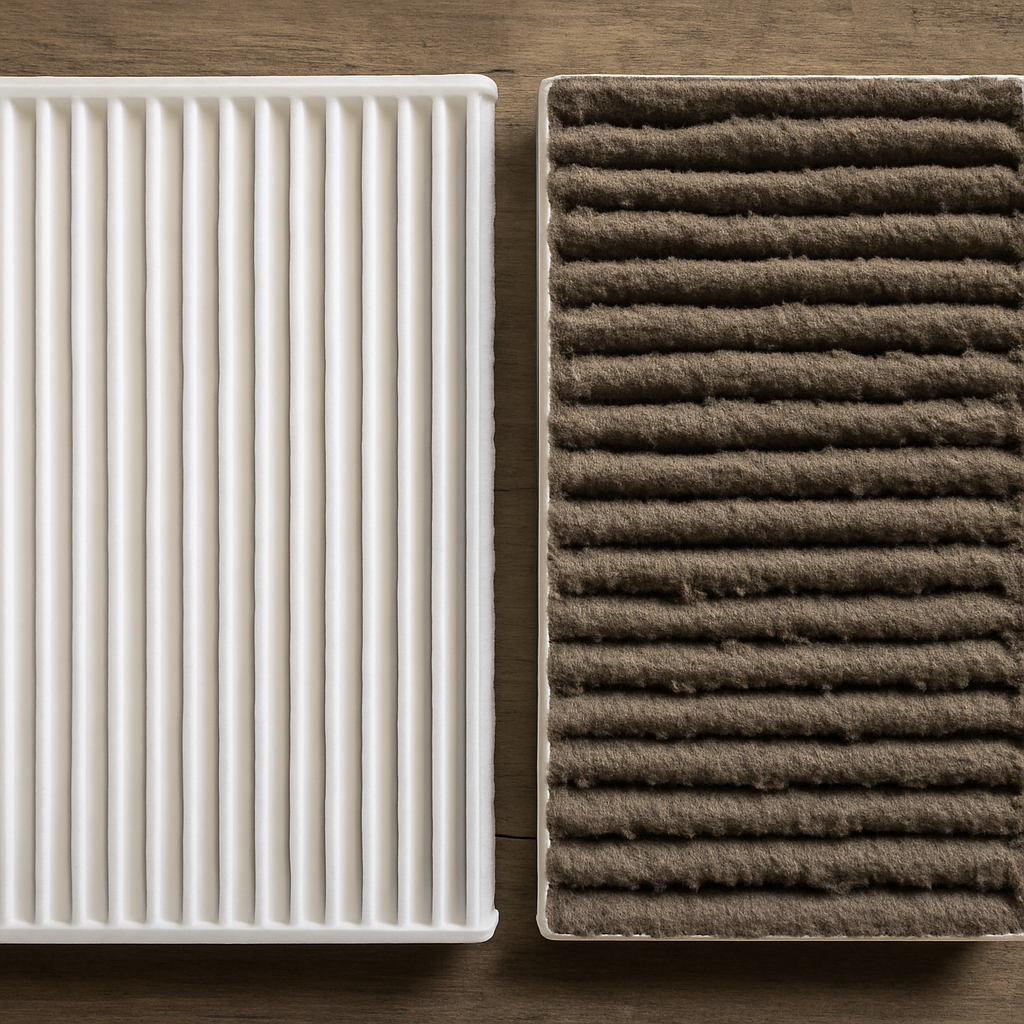
Think of a dirty air filter like trying to breathe through a stuffy nose—it forces your heating and cooling system to work much harder just to move air. According to the U.S. Department of Energy, a dirty filter can increase your energy consumption by 5% to 15%. Regularly changing it is the single most impactful way of improving indoor air quality with clean filters and keeping your energy bills in check.
Table of Contents
Give Your AC Room to Breathe: How to Safely Clean Your Outdoor Unit
That big metal box humming away in your yard has an important job: it releases all the heat your air conditioner has pulled out of your home. Pros call this the condenser unit. When it gets covered in dirt, grass clippings, and leaves, it can’t get rid of that heat effectively. This forces your system to run longer and work harder, which you’ll notice on your next energy bill. Keeping this outdoor unit clean is a simple way to improve efficiency and lower cooling costs.
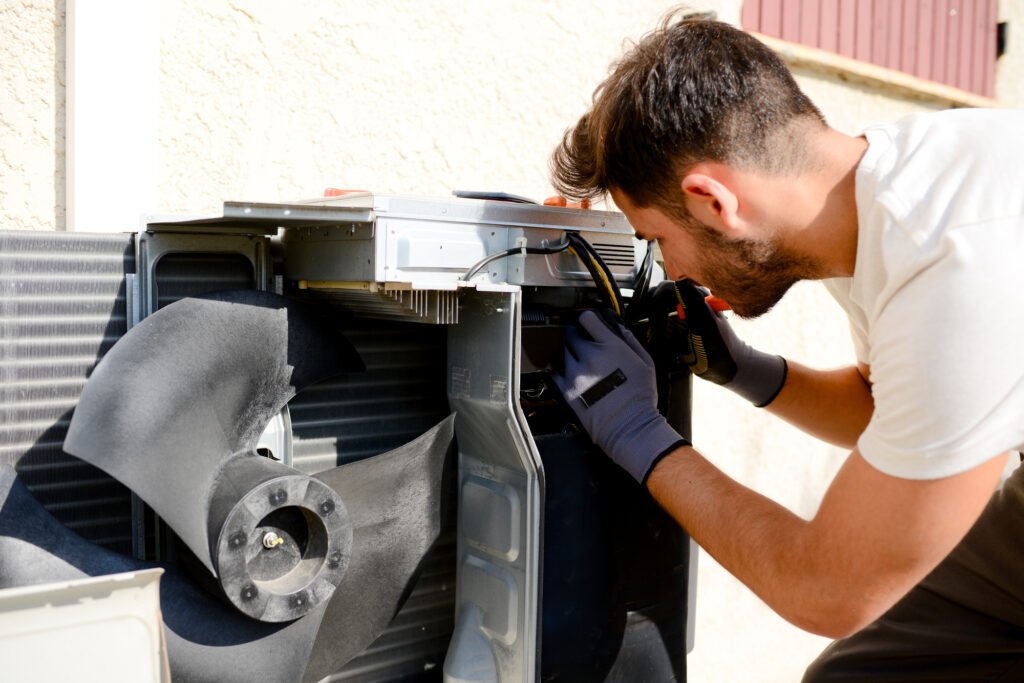
Before you touch the unit, you must perform a critical safety step: turn off the power. Look for a metal safety shutoff switch box mounted on the house right next to the unit. Open the cover and either pull out the handle or flip the breaker to the “OFF” position. This completely cuts power to the unit, ensuring you can work on it safely without any risk of electrical shock.
Once the power is off, you can start cleaning. First, clear away any large debris like fallen leaves or twigs from the top and sides by hand. Next, take a regular garden hose and gently rinse the outside of the unit from the top down. Never use a pressure washer for this task. The intense spray can easily bend or damage the delicate metal condenser fins—the thin, papery sheets that wrap around the unit—which would block airflow and require an expensive professional repair.
A quick rinse once or twice a year is all it takes to help your system breathe. For it to work its best, you should also ensure there are about two feet of clear space around the unit at all times, free from tall grass or shrubs. This simple check-up helps your AC run more efficiently, saving you money and keeping you cool when it matters most.
Prevent Water Damage by Clearing Your HVAC Drain Line
Ever notice how a cold drink “sweats” on a humid day? Your air conditioner does the exact same thing, pulling moisture out of the air as it cools your home. All that water has to go somewhere, and it’s channeled outside through a simple pipe, typically a white PVC pipe called the condensate drain line. This vital function is what keeps your home from feeling damp and sticky, but it can also lead to one of the most common HVAC problems to avoid if it gets blocked.
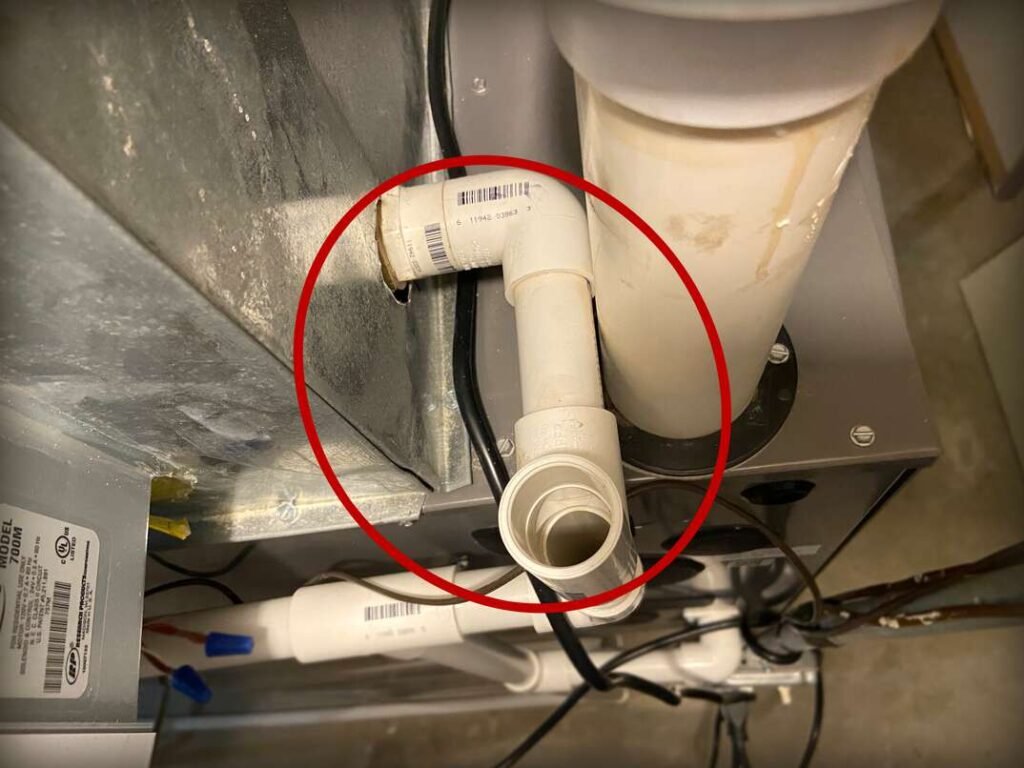
When that drain line gets clogged with dust and algae, the water has nowhere to go and starts to back up, just like a blocked sink drain. You might notice water pooling on the floor around your indoor unit or smell a musty, mildew-like odor coming from your vents. These are telltale signs of a clog that, if ignored, can lead to serious water damage to your floors, walls, and ceiling. Catching it early is key to preventing a costly repair.
Fortunately, unclogging the HVAC drain line is often a simple fix you can do yourself. Find where the pipe exits your house—usually a small PVC pipe sticking out near the ground close to your outdoor unit. Tightly seal the hose of a wet/dry vacuum over the end of the pipe and let it run for a minute. The powerful suction is often all it takes to pull the blockage out, preventing a messy backup and keeping your system running smoothly.
Set It and Forget It: Thermostat Tricks for Effortless Energy Savings
When you walk into a hot house, it’s tempting to crank the thermostat way down to 65 degrees, thinking it will cool the room faster. In reality, your air conditioner doesn’t have a “high speed” setting. It works more like a light switch than a gas pedal—it’s either fully on or fully off. Setting an extreme temperature just makes the system run longer to reach that unnecessary goal, wasting a significant amount of energy and money in the process.
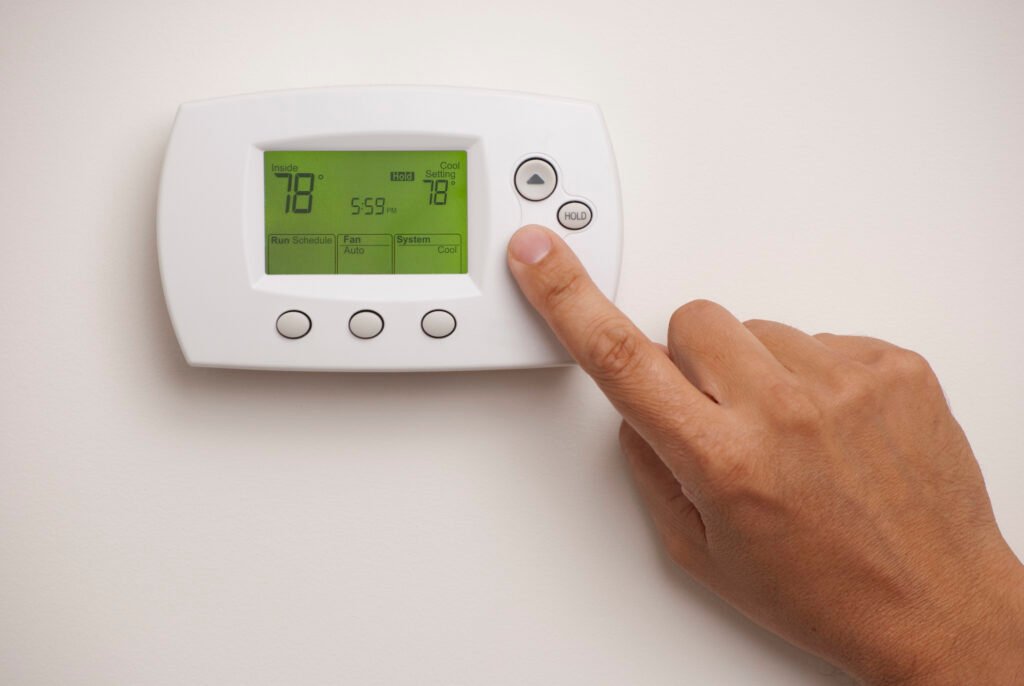
Instead, the smartest move for thermostat optimization for energy savings is to find a temperature you’re comfortable with and let the system work steadily. For a great balance between cost and comfort, the U.S. Department of Energy recommends setting your thermostat to 78°F when you’re home in the summer. Every degree you can comfortably go above that can trim your cooling bill, helping you save without sacrificing comfort.
A programmable thermostat makes this effortless. It lets you “set it and forget it”—automatically raising the temperature when you’re away or asleep and cooling things down just before you need it. This simple upgrade ensures you’re never paying to cool an empty house, providing effortless savings all season long. But even with the perfect temperature, you won’t boost comfort if the cool air can’t reach you.
Is Your Furniture Blocking Your Comfort? The 2-Minute Vent Check
Ever wonder why one room feels stuffy while another is an icebox? A couch or rug could be blocking a supply vent—the grate delivering conditioned air. When airflow is choked off, that room suffers. Taking two minutes to walk through your home and ensure all vents are clear is a fast way to boost comfort and help your system run more efficiently.
It’s tempting to close vents in unused rooms, but this is one of the most common hvac problems to avoid. Your system is balanced for a specific air pressure. Closing vents throws off this balance, straining the equipment and risking damage. This myth doesn’t save money; it can lead to expensive repairs.
Finally, check the large return vents that pull air back for filtering; keeping them clear is vital for improving indoor air quality. These airflow checks solve many issues, but some symptoms point to bigger problems. Knowing when to call a pro is just as important as DIY maintenance.
When DIY Isn’t Enough: 5 Warning Signs It’s Time to Call a Pro
While simple checks can solve many comfort issues, your system has more urgent ways of telling you when it’s struggling. Ignoring these signals is one of the most common hvac problems to avoid, as small issues can quickly turn into catastrophic (and expensive) failures. If you notice any of the following, it’s time for a service call.
Listen and feel for these five key signs you need hvac service:
- Loud or Strange Noises: Grinding, squealing, or banging sounds are never normal. They often point to a worn-out or failing mechanical part, like a motor bearing.
- Funky Smells: A burning odor can indicate an electrical problem, while a musty smell suggests mold in your ductwork or unit.
- Weak Airflow: If you’ve already checked your filter and vents, weak airflow can signal a more serious blockage or a failing fan motor.
- Constant On/Off Cycling: If your system turns on for just a minute or two before shutting off, this is called short cycling. It puts immense strain on the components and is a clear sign of a deeper issue.
- Excess Humidity: Your AC helps dehumidify your home. If the air feels sticky and damp even when the AC is running, something is wrong.
A single failing part, like the capacitor that helps start the motor, is a relatively cheap fix. But if you ignore the warning signs, that failing part can cause a domino effect, leading to a much costlier repair, like a completely burned-out compressor. An immediate hvac service call for a strange noise is far cheaper than replacing the entire unit down the line.
Catching these problems early is a reactive strategy for saving money. But what if you could be proactive? That’s where preventative maintenance plays a crucial role in your system’s health and longevity.
What Is an ‘HVAC Tune-Up’ and Is It Worth the Cost?
While a service call fixes a specific, urgent problem, a preventative tune-up is designed to stop those problems from ever happening. Think of it like a dental check-up versus a root canal; one is routine care, while the other is an emergency repair. This proactive check is an investment in your home’s most expensive appliance, helping it run efficiently and last longer.
To ensure you’re getting value, a real tune-up is more than a quick glance. A technician should perform a detailed inspection covering key safety and performance points. This includes:
- Testing electrical connections to prevent failures.
- Cleaning critical indoor coils for better efficiency.
- Lubricating motors to reduce friction and wear.
- Checking refrigerant levels—a licensed, pro-only task.
For peak performance, experts recommend servicing your system twice a year: your air conditioner in the spring and your furnace in the fall. The modest cost of this preventative maintenance is easily offset by lower energy bills, improved comfort, and avoiding the major expense of an emergency breakdown.
Your Year-Round HVAC Plan for Maximum Comfort and Savings
Before, your home’s heating and cooling system might have felt like a mysterious, expensive box. Now, you understand the power you have to keep it running smoothly. You’re no longer just hoping it works; you have the knowledge to protect your investment, lower your bills, and ensure your family’s comfort with a few simple HVAC maintenance tips.
To put this knowledge into practice, use this simple plan. It’s your go-to DIY air conditioner maintenance checklist and guide for a seasonal heating system inspection, all in one.
Your Seasonal Checklist:
- Monthly: Check your air filter and replace it if it’s dirty.
- Spring: Clean your outdoor unit and schedule a professional AC tune-up.
- Fall: Test the heat function and schedule a furnace tune-up.
You no longer have to wait for a problem. You can prevent one. Feeling empowered? Good. Your first step is waiting. Right now, go find your air filter and just take a look. That single, five-minute action is your first step toward a more comfortable home and a healthier bank account. You’ve got this.
Using these HVAC Maintenance Tips keeps your system efficient, prevents costly repairs, improves comfort, and saves energy — all through simple, routine care.
FAQ:
How often should I perform basic HVAC maintenance like changing filters?
Most experts recommend changing your air filters every 1–3 months, depending on usage and indoor air quality, to maintain smooth airflow and system efficiency.
What are the simplest HVAC maintenance tasks I can do myself?
Easy tasks include replacing air filters, keeping vents and registers clean and unobstructed, and clearing debris around outdoor units to support efficient performance.
Why is replacing air filters important for my HVAC system?
Regular filter changes prevent dust buildup, improve airflow, help lower energy use, and enhance indoor air quality by trapping allergens and particles.
Should I schedule professional HVAC maintenance even if my system seems fine?
Yes — annual or seasonal tune‑ups by a professional technician help catch hidden issues early, improve efficiency, and prevent unexpected breakdowns.
What maintenance helps outdoor HVAC units perform better?
Keeping the outdoor condenser unit clean and free of debris like leaves, grass and dirt ensures proper airflow and prevents unnecessary strain on the system.
Can HVAC maintenance improve indoor comfort and energy bills?
Absolutely — consistent maintenance keeps the system running efficiently, which boosts comfort, lowers energy consumption, and extends the life of your HVAC equipment.