
TL;DR Summary for Those in a Hurry:
- Budgeting for Your New HVAC Installation helps you plan costs, avoid surprises, and make smart financial choices before replacing or installing a heating and cooling system.
- Learn what factors influence price — like system size, efficiency, and labor — so you can estimate your total investment.
- The guide outlines ways to save, from choosing the right equipment to comparing contractor quotes.
- Use this advice to create a realistic budget and confidently move forward with your HVAC project.
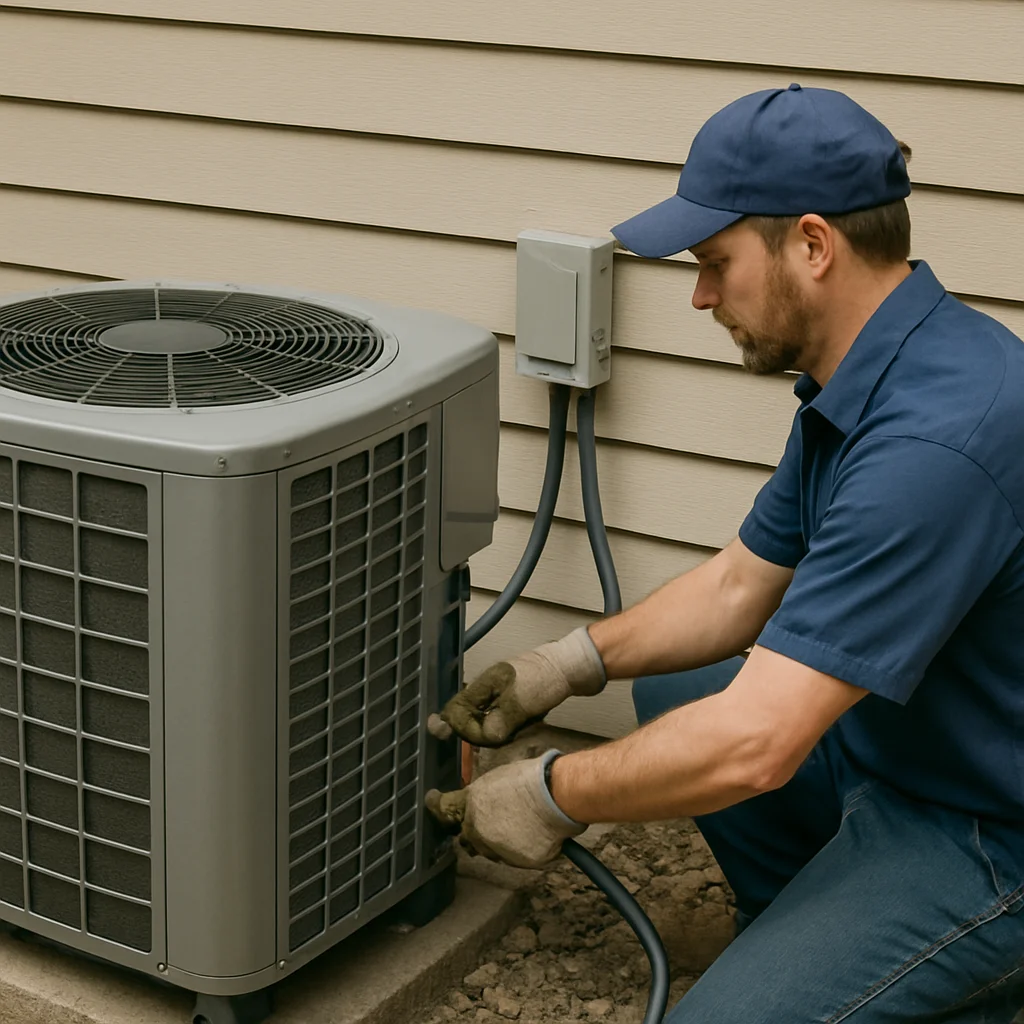
When it comes to installing a new HVAC system in Pasadena, many homeowners and business owners are concerned about the costs involved. Understanding these expenses can help you budget effectively, ensuring that your home or business remains comfortable year-round without breaking the bank. For many property owners, Budgeting for Your New HVAC Installation becomes a crucial first step in managing overall expenses. With strategic planning and informed decisions, you can optimize your investment in a new HVAC system.
This guide will provide insights into the various costs associated with HVAC systems, including installation, maintenance, and potential financing solutions. By the end, you’ll have a comprehensive understanding of what to expect financially and how to plan for a new HVAC installation.
Table of Contents
Summary
Installing a new HVAC system in Pasadena involves costs driven by system type and size, existing ductwork and layout, installation complexity, and local code/permit requirements. Beyond equipment and labor, plan for ongoing maintenance (inspections, filter replacements) and occasional repairs to protect performance and lifespan. Financing options—contractor plans, energy-efficiency rebates, and manufacturer promotions—can help reduce or spread out costs. Get multiple quotes, compare long-term energy savings from efficient models, budget for maintenance, and choose the solution that best fits your comfort needs and budget.
Understanding HVAC System Costs
HVAC systems are a significant investment, but they are crucial for maintaining a comfortable environment in both residential and commercial properties. The costs can vary widely depending on several factors, from the type of system you choose to the specifics of your property. Here are some of the primary factors that influence the cost of a new HVAC system:
Types of HVAC Systems
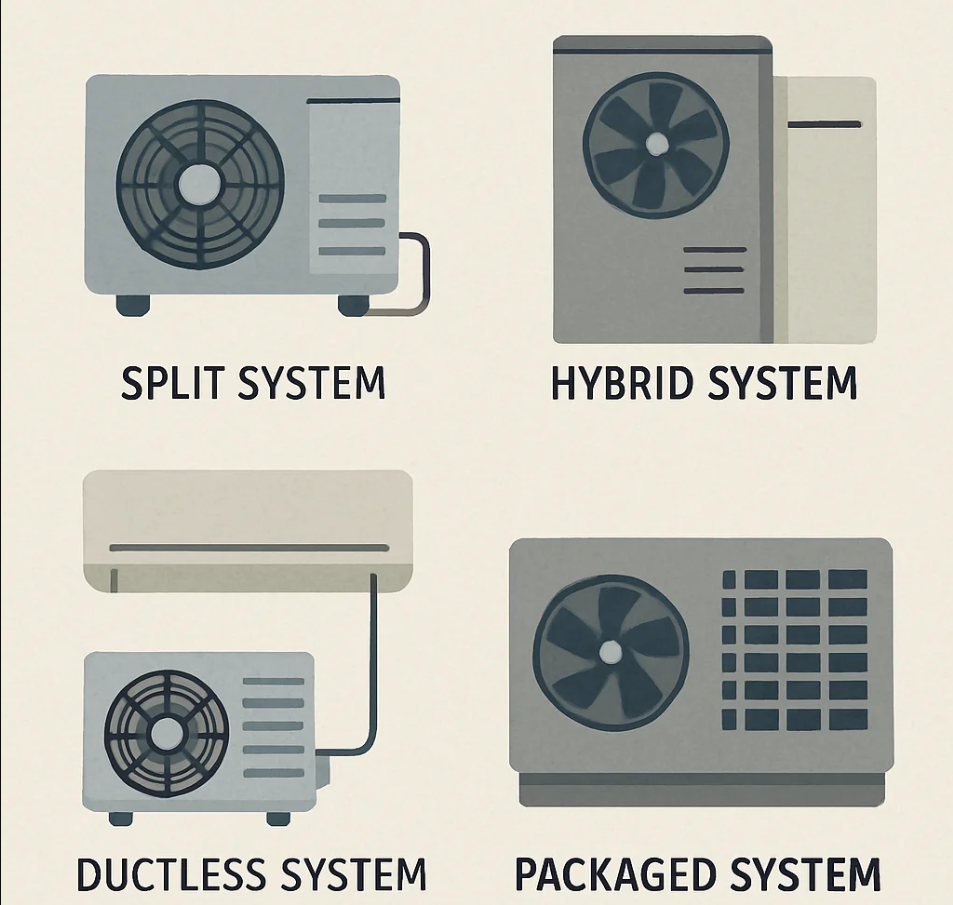
Central Air Conditioning Systems
Central air conditioning systems are a popular choice for many homes due to their ability to cool entire houses efficiently. The cost of a central air heating system can vary depending on the size of your home and the system’s energy efficiency. Larger homes will generally require more powerful systems, which can drive up costs. Additionally, opting for a high-efficiency model can lead to energy savings over time but may involve a higher initial expense.
Forced Air Air Conditioning Systems
Forced air systems use a network of ducts to distribute cooled air throughout a property. They are often more affordable than central systems, particularly if your home already has existing ductwork. However, installation costs can be significantly higher if your home lacks existing ductwork, as this requires additional labor and materials. Additionally, the layout of your home can affect installation difficulty and cost.
Gas Pack HVAC Systems
Gas pack systems combine heating and cooling into one unit, making them a convenient option for regions with mild winters. The prices for these systems can vary based on the specific model and its efficiency rating. They are particularly beneficial in areas where space is limited, as they occupy less space than separate heating and cooling units. When considering a gas pack, evaluating the long-term energy savings versus the initial purchase price is crucial.
Heat and Air Units
Heat and air units offer versatile climate control by providing both heating and cooling functions. They are an excellent choice for areas with fluctuating temperatures. The cost will depend on the unit’s capacity and efficiency, with higher efficiency models offering energy savings that can offset the initial investment. These systems are particularly advantageous in regions where temperatures can vary significantly between seasons.
System Size and Capacity
The size and capacity of an HVAC system, typically measured in tons, directly impact the cost. Larger homes require systems with more capacity to effectively heat and cool the space, while smaller homes can make do with less powerful units. Here’s a basic rundown:
1-2 Ton AC Price
Systems in the 1-2 ton range are generally suitable for smaller spaces or single rooms. They are often more affordable and can be an excellent option for compact homes or apartments. However, it’s essential to ensure that the system is appropriately sized for your space to avoid inefficiencies that can lead to higher operating costs.
3 Ton HVAC Unit Cost
A 3-ton unit is ideal for medium-sized homes, balancing cost and capacity. These systems can efficiently manage the climate in homes with moderate space, offering a good compromise between performance and investment. When selecting a 3-ton unit, consider the insulation and layout of your home, as these factors can affect system performance.
4-5 Ton Central Air Unit Cost
For larger homes, a 4-ton or 5-ton unit is often necessary to ensure adequate heating and cooling. These systems are designed to handle the demands of extensive living areas, making them suitable for large residences or small commercial spaces. Although they represent a more significant investment, the comfort and efficiency they provide can justify the cost over time.
Combination Units
Many homeowners opt for furnace and air conditioner combo units, which can be more cost-effective than purchasing separate systems. These combo units are designed to provide seamless integration of heating and cooling functions. Their pricing can vary based on efficiency ratings and brand, with some models offering advanced features that enhance performance and energy savings.
Installation Costs
The installation cost is another significant component of the total expense for a new HVAC system. Several factors can affect installation costs, from the complexity of the setup to the expertise of the contractor. Understanding these variables can help you better anticipate the financial implications of your HVAC project.
Complexity of Installation
The complexity of the installation process can significantly impact costs. Homes without existing ductwork or with difficult-to-access spaces may incur higher installation fees due to the additional labor and materials required. Moreover, the architectural design of your home, including the number of floors and layout, can also influence installation difficulty and, consequently, cost.
Labor Costs
Labor costs can vary based on the contractor’s expertise and the complexity of the job. Experienced contractors may charge higher rates, but their expertise can ensure a smoother installation process and fewer issues down the line. It’s crucial to balance the cost with the quality of service, as poorly installed systems can lead to inefficiencies and increased maintenance expenses.
Location-Specific Factors
Installation costs in Pasadena may differ from other areas due to local regulations and demand. Local building codes and permit requirements can affect the total cost, as can the demand for HVAC services in your area. It’s advisable to consult with local contractors to get an accurate estimate that considers these factors.
Ongoing Maintenance and Operation Costs
After installation, regular maintenance is crucial for ensuring your HVAC system runs efficiently and lasts longer. Maintenance costs are an important consideration in your overall budget, as they can significantly impact the system’s performance and longevity.
Annual Inspections
Regular check-ups are essential to ensure the system is functioning correctly. Annual inspections can help identify potential issues early, preventing costly repairs and extending the life of your HVAC system. These inspections typically involve checking the system’s components, cleaning, and making any necessary adjustments to optimize performance.
Filter Replacements
Replacing filters is necessary for maintaining air quality and system efficiency. Dirty or clogged filters can restrict airflow, forcing the system to work harder and increasing energy consumption. Regularly replacing filters is a simple and cost-effective way to keep your system running smoothly and reduce the risk of breakdowns.
Unexpected Repairs
Despite regular maintenance, unexpected repairs can occur, so it’s wise to budget for these potential expenses. Setting aside a portion of your budget for unforeseen repairs can help you manage costs without disrupting your financial plans. Having a reliable contractor for emergency repairs can also minimize downtime and ensure your home or business remains comfortable.
Financing Solutions

HVAC systems can be expensive, but several financing options are available to make the investment more manageable. These solutions can help you spread the cost of your new system, making it more accessible and affordable.
HVAC Financing Plans
Many contractors offer financing plans that allow you to spread the cost over several months or years. These plans can provide flexibility in managing payments, often with competitive interest rates. It’s essential to compare different plans and choose one that fits your budget and financial goals.
Energy Efficiency Rebates
Check for local or state programs offering rebates for energy-efficient systems, which can significantly reduce your overall costs. These rebates are often available for systems that meet specific efficiency criteria, encouraging homeowners to invest in more sustainable options. Taking advantage of these programs can offset the higher upfront cost of energy-efficient models.
Manufacturer Discounts
Some manufacturers provide discounts or special financing offers on their products. These promotions can make higher-end models more accessible, allowing you to benefit from advanced features and improved efficiency. Staying informed about these offers can help you secure the best deal on your new HVAC system.
How to Budget for Your New HVAC System
Creating a budget for your new HVAC system involves several steps. Careful planning and research can help you make informed decisions that maximize your investment and ensure long-term comfort and efficiency.
Research and Compare
Start by gathering quotes from multiple contractors to understand the range of prices for both systems and installation. Comparing different options can help you identify the best value for your budget. Consider the reputation and reviews of contractors, as well as any warranties or guarantees they offer.
Consider Long-Term Savings
While energy-efficient systems may have higher upfront costs, they can save you money on utility bills over time. Investing in a high-efficiency model can lead to significant savings on your energy bills, offsetting the initial expense. Calculate the potential savings over the system’s lifespan to evaluate its overall value.
Plan for Maintenance
Include regular maintenance costs in your budget to avoid unexpected expenses. Scheduling routine maintenance can prevent costly repairs and extend the life of your system. Allocating funds for maintenance ensures you can keep your system in optimal condition without financial strain.
Explore Financing Options
Look into available financing solutions to ease the immediate financial burden. Consider different plans and offers, weighing the terms and interest rates to find the best fit for your situation. Financing can provide the flexibility needed to invest in a quality system without compromising your financial stability.
Conclusion – Budgeting for Your New HVAC Installation
Investing in a new HVAC system is a significant decision that requires careful planning and budgeting. By understanding the various costs involved and exploring financing options, you can make an informed decision that ensures comfort and efficiency for years to come. Proper preparation and strategic choices can lead to a successful HVAC installation that meets your needs and budget.
At BOOST SERVICES, we are dedicated to providing top-notch HVAC services in Pasadena. Our team of experts is ready to assist you with all your heating and cooling needs. Whether you’re looking for a budget-friendly solution or a high-efficiency system, we’re here to help.
For expert guidance and a free quote, contact us today at 818-277-5056 or 747-264-6358. Let us help you find the perfect HVAC solution for your home or business.
Budgeting for Your New HVAC Installation gives you clear steps to estimate costs, explore options, and reduce stress during the decision process. With better planning, you’ll avoid unexpected expenses and make choices that fit your needs and budget.
FAQ:
How much should I expect to budget for a new HVAC installation?
The total cost varies widely based on system type, home size, and specific needs, but many homeowners see installed system costs ranging from a few thousand dollars to well over $10,000 when factoring in equipment, labor, and accessories.
What factors impact the cost of a new HVAC installation?
Costs are influenced by the size and efficiency of the unit, whether new ductwork or modifications are needed, labor rates in your area, and additional features like smart thermostats or zoning systems.
Are there ways to save money when budgeting for an HVAC system?
Yes — comparing multiple quotes, scheduling installation during off-peak seasons, and exploring rebates or tax incentives for energy-efficient systems can help lower overall expenses.
Do ductwork repairs or replacements affect my HVAC budget?
Absolutely — if your existing ductwork needs repairs or redesigning, this can add significantly to the installation costs, so include duct assessments in your budget planning.
Should I set aside extra funds beyond the quoted installation price?
Yes — it’s smart to build a contingency buffer (often 10–20% of the estimate) for unexpected issues like structural adjustments, permit fees, or additional labor.
Can rebates or incentives make HVAC installation more affordable?
Many homeowners qualify for local utility rebates, federal tax credits, and efficiency-based incentives that reduce upfront costs of high-efficiency HVAC systems.