
TL;DR Summary for Those in a Hurry:
- How to Monitor Air Quality in LA outlines practical ways to track pollution levels using tools like the Air Quality Index (AQI), apps, and real-time sensors so you can protect your health.
- Learn how AQI helps you understand daily air quality trends and what they mean for outdoor activity decisions.
- The guide suggests using reliable apps and official monitoring networks to get up-to-date data on pollutants like ozone and particulate matter.
- By monitoring air quality regularly, you can reduce exposure to unhealthy air, adjust your plans, and take steps to improve indoor air conditions.
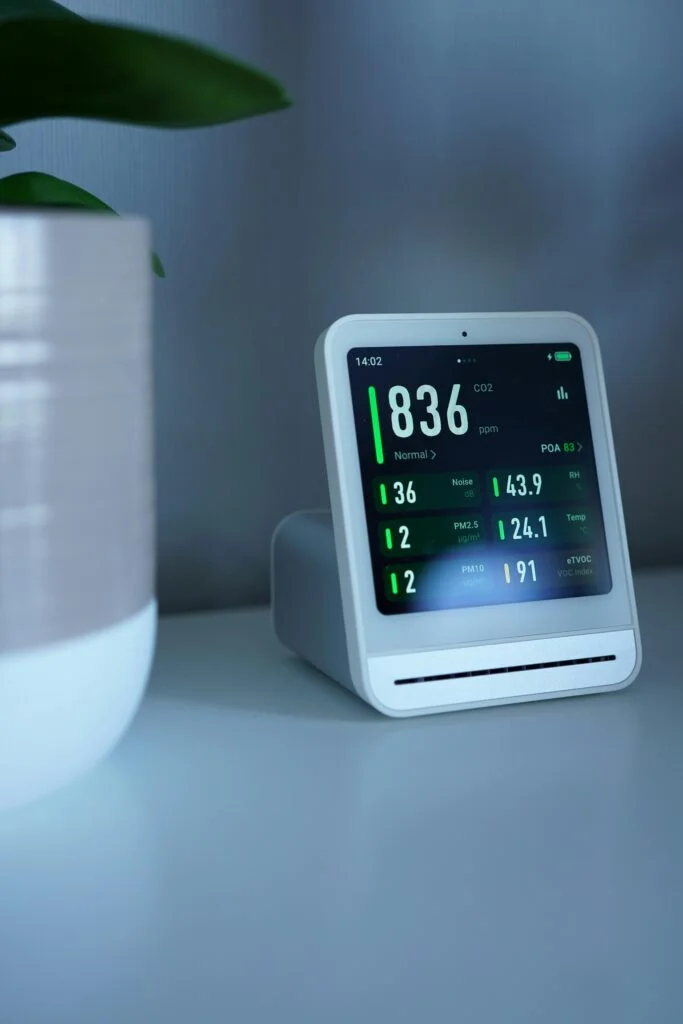
Monitoring air quality in Los Angeles is crucial for health and well-being. The city often faces challenges with air pollution. Understanding how to track air quality can help you make informed decisions.
Air quality affects everyone, from community-based entrepreneurs to working-class families. Knowing the air quality index (AQI) helps you plan daily activities. It also ensures you take necessary precautions.
Los Angeles has unique air quality issues due to its geography and traffic. Staying informed about these factors is essential. It helps you protect yourself and your loved ones.
There are many tools and resources available to Monitor Air Quality. These include apps and government websites. They provide real-time data and alerts.
By staying informed, you can contribute to a healthier community. You can also advocate for better air quality policies.
Table of Contents
Understanding Air Quality and the AQI in Los Angeles
Air quality in Los Angeles is measured using the Air Quality Index (AQI). The AQI translates data from air monitors into a simple scale. This scale helps residents understand pollution levels.
The AQI ranges from 0 to 500, with lower numbers signifying better air quality. It has different categories, each indicating a specific level of health concern. These categories range from “Good” to “Hazardous.”
Key pollutants measured by the AQI include:
- Ground-level ozone
- Particulate matter (PM2.5 and PM10)
- Carbon monoxide
- Sulfur dioxide
- Nitrogen dioxide
Los Angeles often struggles with high AQI levels due to traffic and industry. Understanding these sources is essential for mitigating exposure. Awareness of weather conditions can help predict changes in air quality.
Monitoring AQI helps you decide when to limit outdoor activities. It is especially crucial for vulnerable groups, like children and the elderly. Understanding air quality helps you plan for safety.
Real-Time Air Quality Data: Where to Find It
Staying informed about air quality in Los Angeles is vital. Several sources provide up-to-date information. Checking these resources can help protect your health and plan your day.
Government websites are reliable places to start. The Environmental Protection Agency (EPA) offers real-time AQI information. You can also use local resources, such as the South Coast Air Quality Management District (SCAQMD).
Apps simplify accessing air quality data on the go. Many apps offer push notifications for air quality alerts. Here are popular options:
- AirVisual
- Plume Labs’ Air Report
- EPA’s AQI app
Local news outlets also report current air quality conditions. They often provide forecasts, helping residents anticipate changes. Monitoring these sources ensures you’re always aware of air quality shifts.
Taking advantage of these tools can minimize health risks. It empowers both community members and business owners. Keeping informed helps protect yourself and others.
Why Does LA Have Bad Air Quality? Common Causes, Trends, and How to Monitor Air Quality
Los Angeles often struggles with poor air quality. Various factors contribute to this issue. Understanding these can help residents and businesses take action.
Heavy traffic in LA significantly affects air quality. Emissions from vehicles are a major source of air pollution. This is especially true during rush hours and on busy freeways.
Industrial activities also play a role. Factories and refineries release pollutants into the air. These increase levels of harmful particles and gases.
Other contributors include:
- Weather patterns trapping pollutants
- Wildfires releasing smoke
- Local geography affecting air dispersion
Recognizing these causes highlights the importance of collective action. Awareness can lead to efforts that mitigate these issues. Community involvement is key to improving air quality trends over time.
Tools and Apps for Monitoring Air Quality in LA
Staying informed about air quality in LA is crucial. Luckily, several tools and apps make this easier. They offer up-to-date information right at your fingertips.

Apps like AirVisual and Plume Labs are popular choices. These provide real-time air quality data and forecasts. Users can easily check the air quality index (AQI) for their location.
Features to look for in these tools include:
- Real-time updates and alerts
- Detailed pollutant information
- Personalized health advice
- Location-based forecasting
In addition to apps, websites like AirNow offer comprehensive data. These platforms give a broader view of air quality trends. Accessing this information helps residents plan outdoor activities. Having reliable data ensures that you stay informed and safe.
How Air Quality Impacts Health and Daily Life
Air quality plays a significant role in our health. Poor air quality can trigger respiratory issues. It impacts vulnerable groups such as children and the elderly more severely.
Daily activities often suffer due to poor air. For instance, outdoor exercises become risky. Those with pre-existing conditions might experience exacerbations.
A compromised air environment affects not just health but also well-being. It can influence mood and productivity at work. Long-term exposure poses risks like heart disease.
Common health impacts include:
- Respiratory irritation
- Increased asthma attacks
- Fatigue and headaches
- Higher risk of cardiovascular problems
Understanding these health links is essential. By staying informed, you can make better lifestyle choices. Protecting yourself and your loved ones becomes manageable. Awareness prompts necessary changes in daily routines.
Tips to Protect Yourself and Your Community
Protecting yourself from poor air quality starts with awareness. Stay updated by checking air quality reports daily. This helps you plan outdoor activities accordingly.
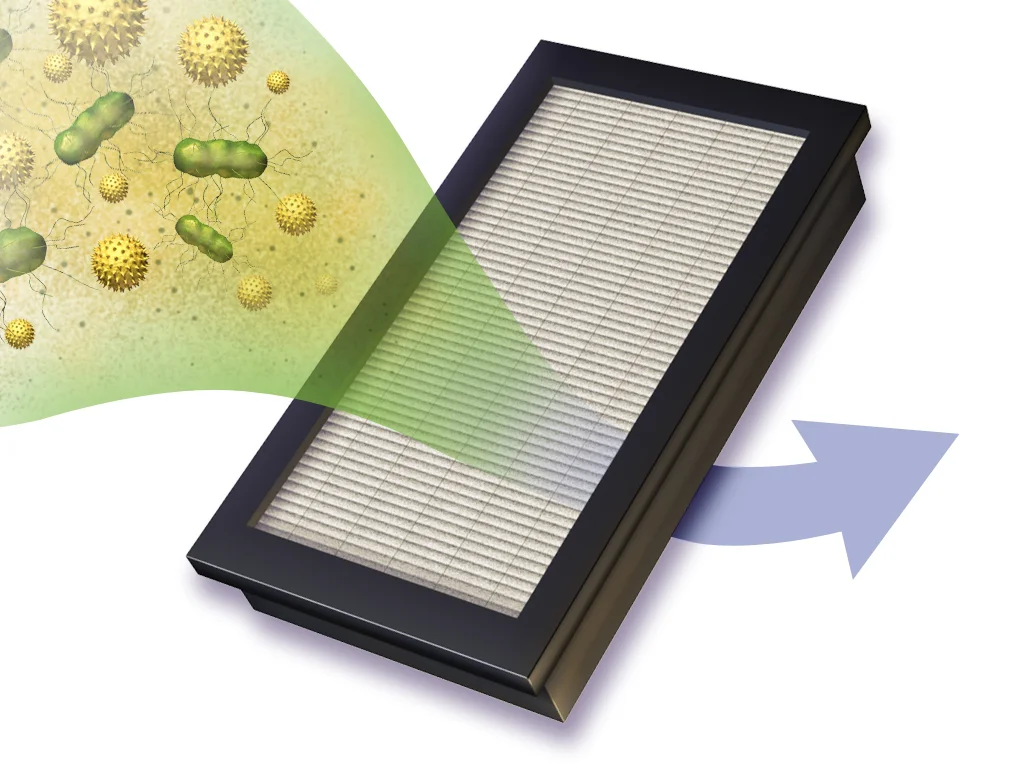
Using an air purifier at home can significantly reduce indoor pollutants. Opt for HEPA filters to trap fine particles. Keep windows and doors closed on days with poor air quality.
Participate in community efforts to improve air quality. Engage with local initiatives and support policies aiming for sustainable practices. Your involvement can drive significant positive change.
Consider these protective measures:
- Wear masks during high pollution days
- Plant trees or create green spaces
- Use public transportation or carpool
- Advocate for stronger environmental regulations
Implementing these strategies benefits both individuals and communities. By taking small steps, everyone can contribute to a healthier environment.
How Local Businesses and Residents Can Help Improve Air Quality
Local businesses can play a crucial role in enhancing air quality. By adopting eco-friendly operations, they set a positive example. Implementing energy-efficient practices reduces pollution and conserves resources.
Residents contribute by making sustainable choices in daily life. Opting for bicycles or walking short distances helps reduce emissions. Simple actions collectively make a substantial impact.
Get involved in community projects aimed at air quality improvement. Support local policies promoting sustainability. Here are some ways businesses and residents can contribute:
- Use clean energy sources
- Reduce waste and recycle regularly
- Promote green building designs
- Support public transportation expansion
These efforts collectively enhance air quality, benefiting the entire community. Working together, we can create a healthier environment for future generations.
Stay Informed and Take Action: Your Next Steps
Staying informed about air quality is essential for making smart decisions. Use available resources and tools to keep abreast of air quality changes. This knowledge helps you plan your day better, especially when outdoor activities are involved.
Encourage others to join in the effort to improve air quality. Share information with friends, family, and neighbors. Getting involved in local initiatives amplifies your impact. Together, communities can drive significant change towards cleaner air and healthier lives.
How to Monitor Air Quality in LA helps you stay informed about pollution levels through tools, apps, and index readings. Understanding local air quality empowers smarter decisions for outdoor activities, health precautions, and lifestyle adjustments.
FAQ:
What tools can I use to monitor air quality in Los Angeles?
You can track air quality using official sources like the Air Quality Index (AQI) maps and apps, local monitoring networks, and air quality apps that report real-time pollution levels for pollutants like PM2.5 and ozone.
What does the Air Quality Index (AQI) tell me?
The AQI summarizes air pollution levels into a single value with categories (e.g., good, moderate, unhealthy), helping you understand how clean or polluted the air is and what it means for your health.
Why should I regularly monitor air quality in LA?
Regular monitoring lets you adjust outdoor activities and take precautions on days with high pollution — especially important during wildfires or smog events when particles and ozone levels spike.
Can indoor air quality differ from outdoor air quality?
Yes — indoor air quality can be better or worse than outside depending on ventilation, air filtration, and activities inside your home. Using indoor monitors and air purifiers helps track and improve indoor conditions.
What pollutants should I pay attention to when checking LA air quality?
Common pollutants to watch include PM2.5 (fine particles), ozone (O3), nitrogen dioxide (NO2), carbon monoxide (CO), and sulfur dioxide (SO2) — all of which are tracked in AQI readings.
Where can I get real-time and local air quality updates?
Reliable real-time updates come from official AQI websites and mobile apps, local environmental agencies, and community sensor networks that report hourly air quality conditions.