
TL;DR Summary for Those in a Hurry:
- Reducing Air Conditioner Replacement Expenses gives homeowners practical ways to lower the cost of upgrading or installing a new AC system while maintaining comfort.
- Learn how proper maintenance and smart planning can extend your current unit’s life and delay costly replacements.
- The guide explains how comparing quotes, choosing the right equipment, and exploring incentives can save money upfront.
- Use these tips to budget wisely, reduce unexpected expenses, and make a more cost‑effective cooling decision.
When the temperature soars, the comfort of a well-cooled home becomes not just a luxury but a necessity. However, the financial burden of replacing an air conditioner can be daunting. At BOOST SERVICES, we understand the importance of keeping your home comfortable without breaking the bank. Tips for Reducing Air Conditioner Replacement Expenses can help you save money and make smart choices when upgrading your cooling system. Here are some insightful tips to help you reduce air conditioner replacement expenses while ensuring your home remains your sanctuary during those sweltering summer months.
Table of Contents
Understanding the costs associated with air conditioner replacement is the first step towards efficient budgeting. The expenses can vary significantly based on several factors, and having a clear picture can prevent unexpected financial strain.
The cost of replacing an air conditioner is influenced by the type of system and its specifications. For instance, a basic central air conditioning system might have different cost implications compared to a high-efficiency unit. Understanding these distinctions can help you make an informed decision.
The complexity of installation also plays a significant role in determining the overall cost. Factors such as the condition of existing ductwork and the layout of your home can affect installation prices. A clear understanding of these variables can help you plan your budget more effectively.
Budgeting is crucial when considering a completely new system. By understanding typical price ranges—$5,000 to $10,000 for new installations—you can prepare financially and consider financing options if necessary.
Selecting the right air conditioning system is paramount to ensuring long-term savings. A well-chosen system not only meets your current needs but also adapts to future requirements.
Every home is unique, and understanding your specific needs is essential. Consider factors such as your home’s size, insulation quality, and local climate. Tailoring your choice to these factors can lead to a more efficient and effective cooling solution.
Investing in an energy-efficient unit can significantly reduce your electricity bills. Look for systems with a high Seasonal Energy Efficiency Ratio (SEER) rating. Though they might cost more upfront, they save money in the long run by reducing energy consumption.
When choosing a system, consider not just the initial cost but also the lifespan and maintenance needs. Some systems might be cheaper initially but could incur higher maintenance costs over time. Balancing cost with durability can lead to more substantial long-term savings.
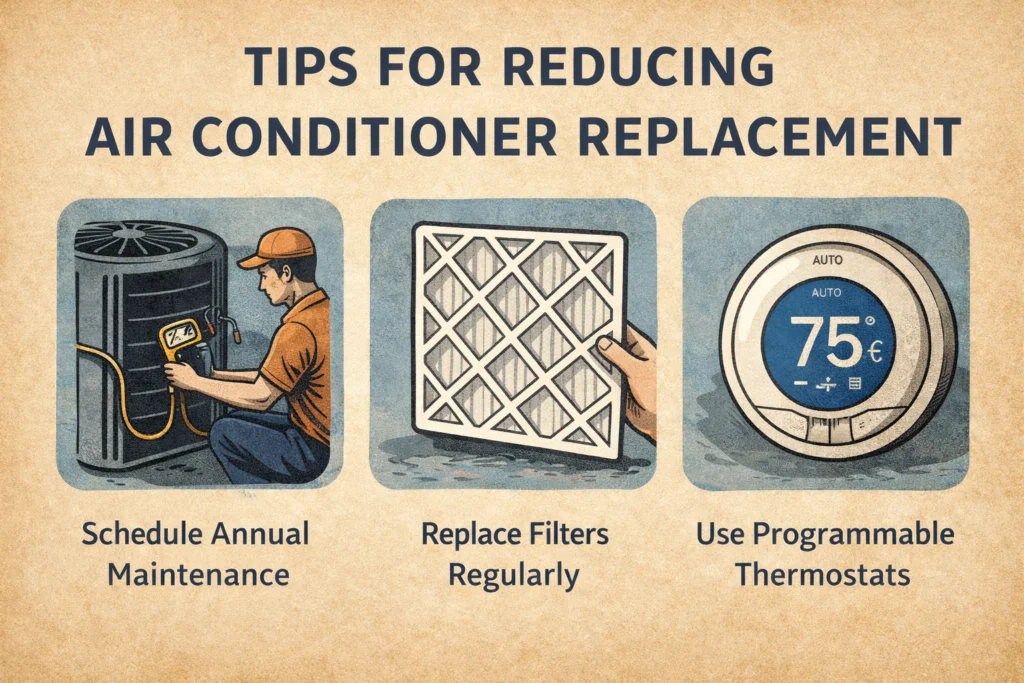
Regular maintenance can extend the life of your current air conditioner, delaying the need for a replacement. Proactive care is essential for maintaining efficiency and performance.
Just like a car, your air conditioner needs regular check-ups. Regular maintenance ensures that minor issues are identified and resolved before they escalate into major problems, potentially saving you significant repair costs.
Dirty filters restrict airflow, forcing your system to work harder and consume more energy. Regularly changing filters not only maintains optimal performance but also improves indoor air quality, contributing to a healthier home environment.
While some maintenance tasks can be DIY, professional check-ups provide a comprehensive assessment of your system’s health. Services like BOOST SERVICES offer expert evaluations and adjustments that ensure your system operates at peak efficiency.
Many HVAC companies offer financing plans that spread the cost of a new unit over several months or years, making it more manageable. Understanding these options can ease the financial burden.
Financing plans can vary widely, with some offering low-interest rates or deferred payments. It’s essential to understand the terms and conditions to select the plan that best suits your financial situation.
Local governments and utility companies often provide rebates or tax incentives for installing energy-efficient systems. Research available programs in your area to take advantage of these savings. These incentives can significantly offset the cost of a new system.
Before committing to a financing plan, compare multiple options. Consider factors such as interest rates, payment terms, and any potential hidden fees. Making an informed choice can lead to substantial savings over the life of your payment plan.
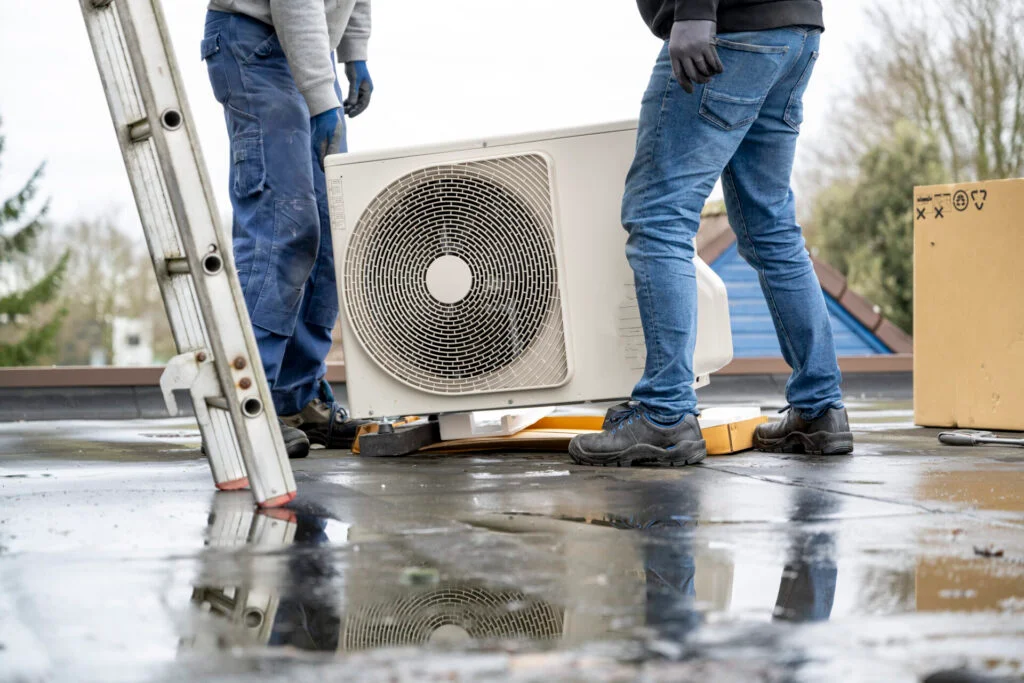
While DIY projects can be rewarding, installing an air conditioning system is best left to professionals. Proper installation is crucial for optimal performance and longevity.
Improper installation can lead to inefficiencies, increased energy consumption, and costly repairs down the line. The complexity of modern HVAC systems requires professional expertise to ensure everything is set up correctly.
Professional installers have the experience and tools necessary to handle the complexities of HVAC systems. They ensure that the system is installed to manufacturer specifications, which is critical for warranty and efficiency.
Selecting a reputable HVAC contractor, like BOOST SERVICES, ensures a seamless and reliable installation. Look for certified professionals with positive reviews and transparent pricing to guarantee peace of mind.
The timing of your purchase can impact the overall cost. Strategic buying can lead to significant savings on your air conditioning unit.
HVAC companies often offer discounts during the off-season. Purchasing an air conditioner in the fall or spring can result in significant savings. This timing allows you to avoid peak demand prices.
Keep an eye out for sales and promotions from reputable HVAC providers. Subscribing to newsletters can help you stay informed about upcoming discounts and special offers, allowing you to time your purchase effectively.
Consider your future needs when timing your purchase. Anticipating changes in your home or climate can ensure you choose a system that remains efficient and effective for years to come.
A programmable thermostat can optimize the efficiency of your air conditioning system. The right thermostat can lead to significant savings by reducing energy waste.
Programmable thermostats allow you to set specific temperatures for different times of the day. This customization can prevent unnecessary energy use, especially when you’re not home.
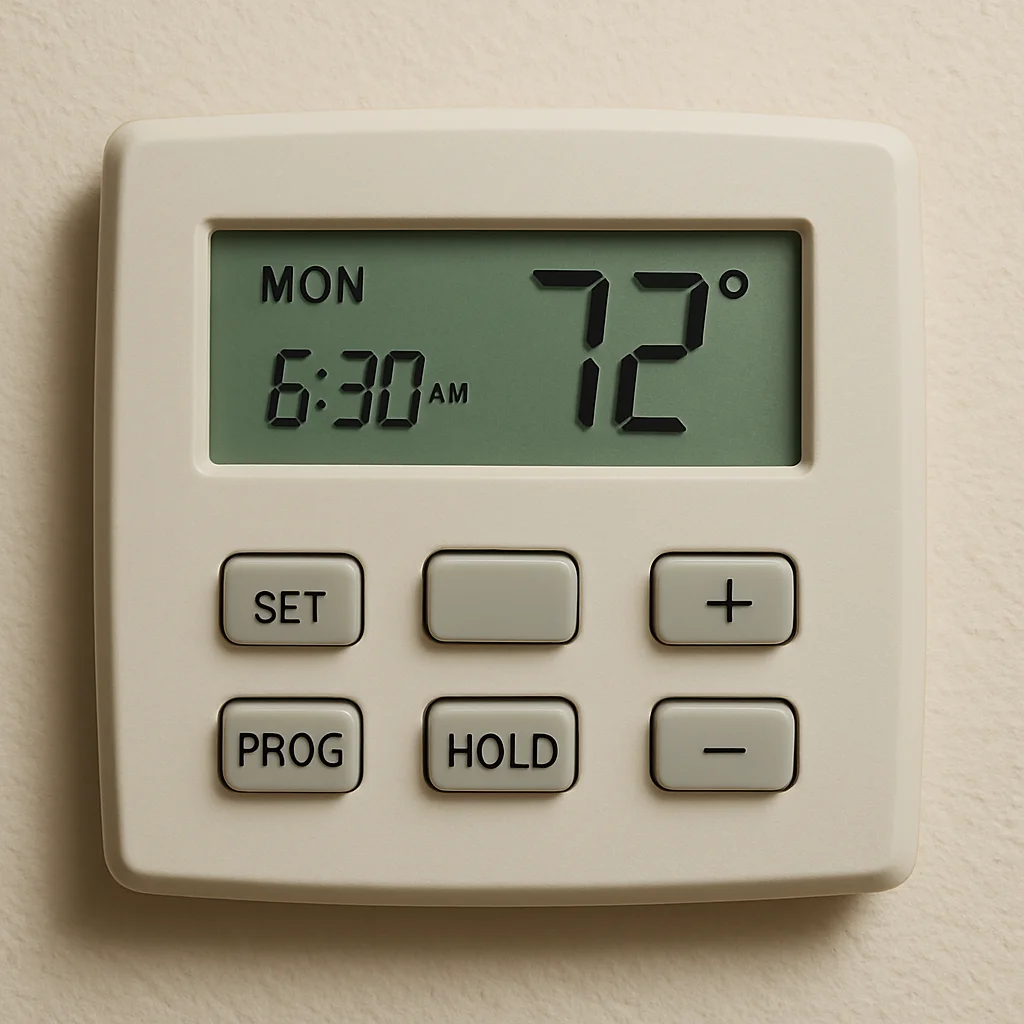
Consider upgrading to a smart thermostat that allows remote control via smartphone apps. This technology offers precise control over your home’s climate, enhancing both comfort and savings. The convenience and adaptability of smart thermostats can lead to substantial energy savings.
Integrating your thermostat with other smart home devices can further enhance efficiency. This integration allows for a more cohesive home automation system, providing better control over your energy use.
Choosing the right HVAC contractor is as crucial as selecting the right unit. A good contractor ensures quality service and peace of mind.
Verify the credentials and experience of potential contractors. A certified and experienced contractor is more likely to provide reliable service and ensure your system’s optimal performance.
At BOOST SERVICES, we pride ourselves on delivering top-notch customer service and satisfaction. Our team is ready to provide expert advice and reliable installation, ensuring your investment is protected. Look for contractors who prioritize customer satisfaction and transparency.
Establishing a relationship with a trusted HVAC contractor can provide long-term benefits. Regular maintenance services and timely advice can ensure your system remains efficient and extends its lifespan.
Conclusion and Takeaways: Tips for Reducing Air Conditioner Replacement Expenses
Replacing an air conditioner doesn’t have to be a financial burden. By understanding your needs, investing in energy efficiency, and partnering with the right experts, you can enjoy a comfortable home without compromising your budget.
For personalized advice and quality HVAC services in Pasadena and surrounding areas, contact BOOST SERVICES today. Our dedicated team is committed to delivering exceptional service and ensuring your satisfaction. Call us at 818-277-5056 or 747-264-6358 to schedule a consultation.
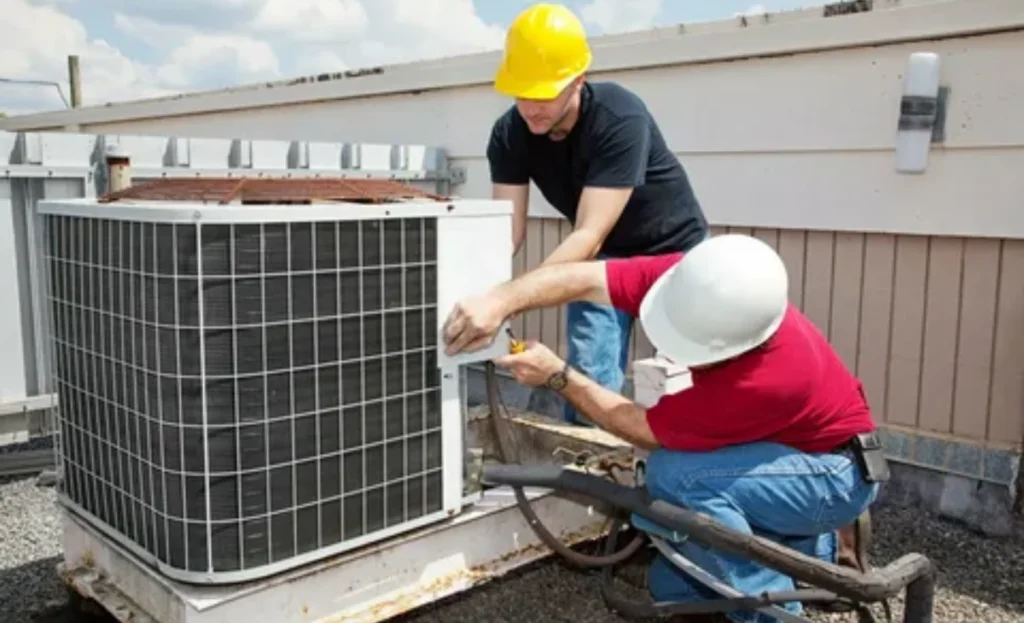
Remember, a well-informed decision today can lead to years of comfort and savings. Let BOOST SERVICES be your trusted partner in achieving a cool, comfortable home.
Reducing Air Conditioner Replacement Expenses helps you save by planning ahead, maintaining your system, and choosing the right options for efficiency and budget. Applying these strategies makes AC replacement more affordable and stress‑free.
FAQ:
How can regular maintenance help reduce AC replacement costs?
Routine maintenance — like annual inspections, cleaning coils, and replacing filters — keeps your AC running efficiently and helps extend its lifespan, delaying costly premature replacement.
Should I compare quotes before replacing my air conditioner?
Yes — getting multiple quotes from reputable HVAC contractors allows you to compare pricing, equipment options, and labor costs so you can make a more cost‑effective decision and avoid overpaying.
Can upgrading to a more efficient unit save money in the long run?
Upgrading to a high‑efficiency (high SEER) unit may cost more upfront but can lower energy bills and reduce strain on the system, which ultimately cuts overall replacement and operating expenses.
How does timing affect AC replacement costs?
Booking your AC installation during off‑peak seasons like spring or fall can lead to lower labor costs and better scheduling flexibility with contractors, saving you money.
What role does sealing and insulation play in reducing costs?
Improving home insulation and sealing air leaks around doors and windows reduces the workload on your AC — improving efficiency and lowering energy costs, which can postpone the need for early replacement.
Are there incentives or rebates that can help lower replacement expenses?
Many utility companies, manufacturers, and local programs offer rebates or incentives for installing energy‑efficient systems, which can significantly offset the cost of a new AC unit.