
TL;DR Summary for Those in a Hurry:
- Blower Motor Resistor problems can disrupt HVAC airflow, causing your system to only work at one fan speed or deliver weak, inconsistent circulation.
- Early detection of resistor failure helps maintain comfort and prevents added strain on the blower motor and other components.
- Common signs include the fan working only on high, no airflow at certain settings, and uneven temperatures throughout your home or building.
- Checking filters and airflow can help diagnose issues early, but professional inspection is recommended for accurate diagnosis and safe repair.
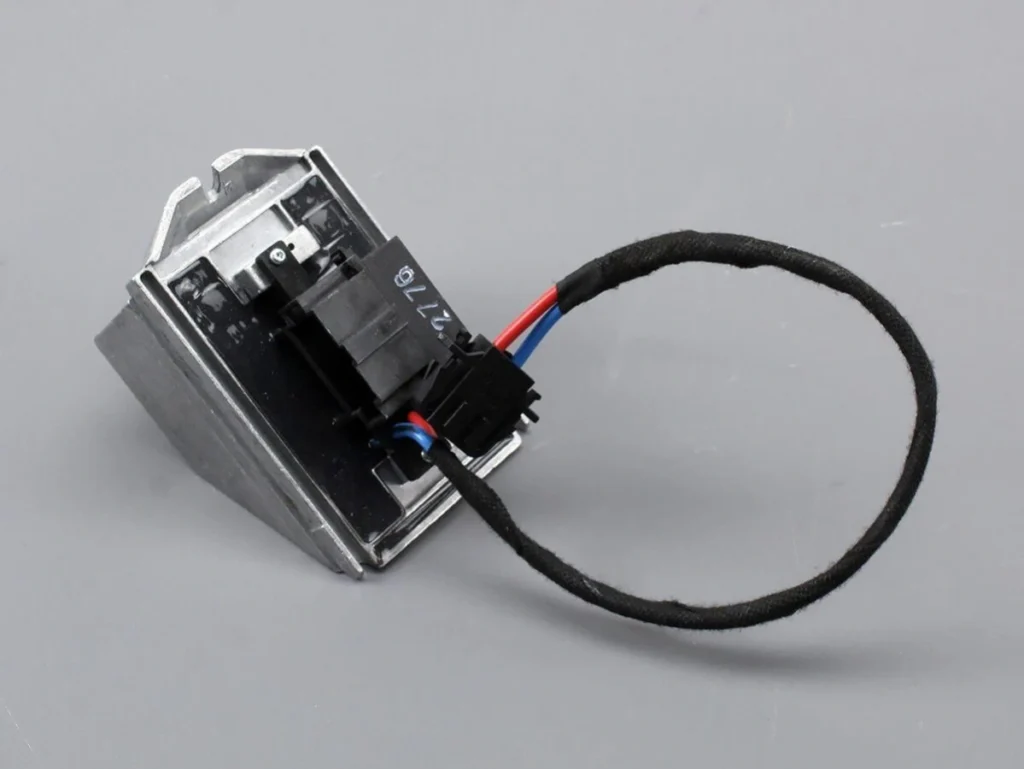
A malfunctioning HVAC system can quickly turn from a minor inconvenience into a major comfort and cost issue. One often-overlooked component responsible for airflow control is the blower motor resistor. Knowing how to spot bad blower motor resistor symptoms fast can help homeowners and building managers avoid uneven temperatures, rising energy bills, and unexpected system failures.
This guide explains how blower motor resistors work in HVAC systems, the most common warning signs of failure, what causes the problem, and when professional service is essential.
Table of Contents
What Is a Blower Motor Resistor in an HVAC System?
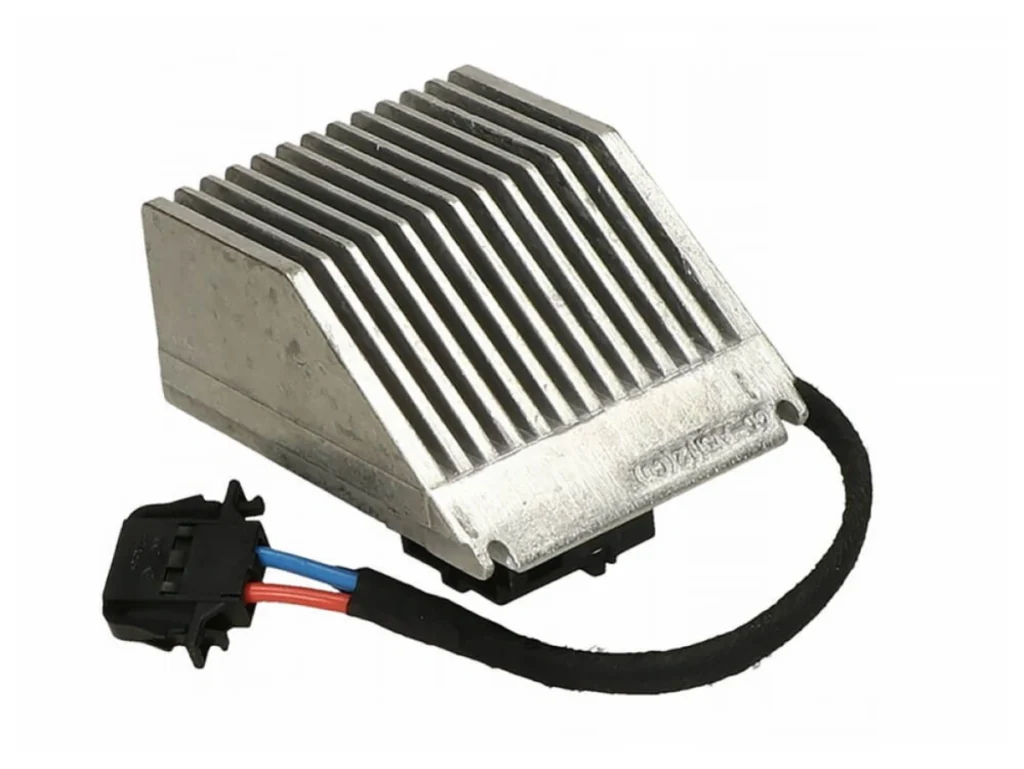
In residential and commercial HVAC systems, the blower motor is responsible for moving conditioned air through ductwork and into occupied spaces. The blower motor resistor plays a critical role by controlling blower fan speed.
Unlike systems with variable-speed ECM motors, traditional HVAC systems rely on resistors to reduce voltage and create different fan speeds. This allows the system to adjust airflow based on heating, cooling, or ventilation demands.
When the resistor begins to fail, the blower motor can no longer regulate speed properly — directly affecting comfort, efficiency, and system reliability.
Why the Blower Motor Resistor Matters for Comfort and Efficiency
Airflow is the backbone of any HVAC system. Even if your air conditioner or furnace is producing the correct temperature, poor airflow can make rooms feel uncomfortable.
A failing blower motor resistor can lead to:
- Uneven temperatures across rooms
- Reduced indoor air quality
- Increased humidity
- Higher operating costs
- Added strain on HVAC components
Because airflow problems often develop gradually, resistor issues are frequently misdiagnosed or ignored until the system performance noticeably declines.
Common Bad Blower Motor Resistor Symptoms
Recognizing symptoms early is the fastest way to prevent more serious HVAC damage. The most common signs include:
- Blower fan operates only at one speed
- No airflow at low or medium fan settings
- Weak or inconsistent airflow from vents
- Sudden changes in airflow without thermostat adjustments
- HVAC system runs, but air circulation feels inadequate
These symptoms can appear in both heating and cooling modes, making them relevant year-round.
Blower Fan Works Only on One Speed
One of the clearest indicators of a failing blower motor resistor is when the blower fan operates only on a single speed — typically the highest setting.
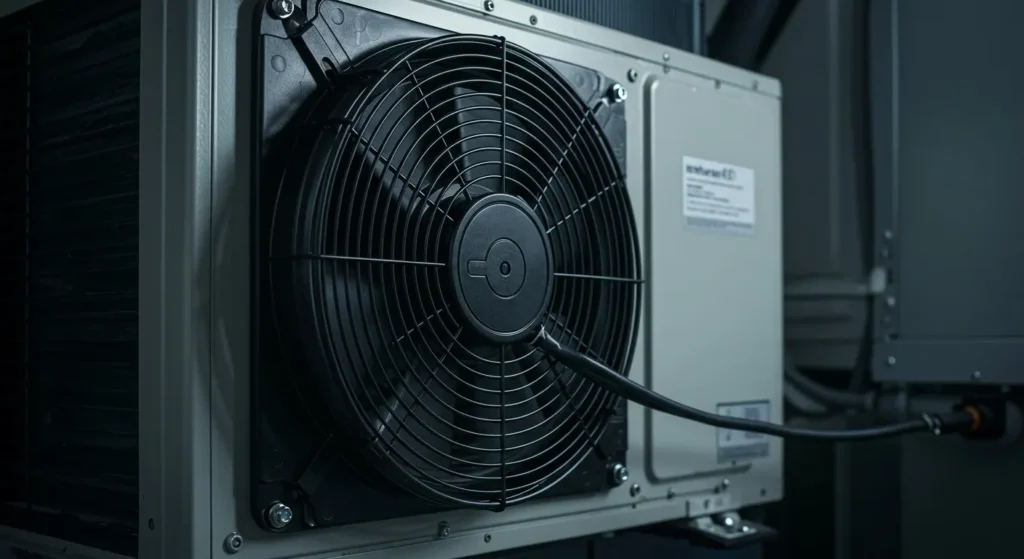
This happens because different resistor circuits control different fan speeds. When some circuits burn out while others remain functional, the system loses speed flexibility.
As a result:
- Airflow may feel too strong or too weak
- Temperature regulation becomes inconsistent
- Noise levels may increase due to constant high-speed operation
This symptom should never be ignored, as it often worsens over time.
Weak or No Airflow From HVAC Vents
If your HVAC system turns on but delivers weak airflow, the blower motor resistor may not be supplying the correct voltage to the motor.

Reduced airflow can cause:
- Poor cooling or heating performance
- Hot or cold spots throughout the building
- Longer run times
- Increased energy usage
In extreme cases, airflow may stop entirely at certain fan settings, even though the system appears to be running normally.
Inconsistent Airflow Throughout the Building
Another sign of resistor trouble is inconsistent airflow between rooms. Some spaces may receive adequate air, while others feel stagnant or uncomfortable.
This imbalance often leads occupants to adjust thermostats frequently, which further stresses the HVAC system and increases utility costs.
Over time, inconsistent airflow can also reduce indoor air quality by allowing dust, allergens, and humidity to accumulate.
Rising Energy Bills Without Increased Usage
When airflow is not properly regulated, HVAC systems compensate by running longer cycles. A failing blower motor resistor forces the system to work harder to maintain desired temperatures.
This inefficiency often results in:
- Noticeably higher energy bills
- Reduced system efficiency ratings
- Shortened equipment lifespan
If your energy costs rise without a clear explanation, airflow control components should be inspected.
What Causes Blower Motor Resistor Failure?
Blower motor resistors are exposed to heat, electrical load, and airflow. Over time, several factors can contribute to failure:
- Electrical overheating due to restricted airflow
- Dust and debris buildup inside the air handler
- Aging HVAC components
- Excessive moisture or humidity
- Lack of routine maintenance
When airflow is blocked by dirty filters or clogged ducts, resistors are more likely to overheat and fail prematurely.
How Dirty Filters and Poor Maintenance Contribute
A clogged air filter restricts airflow, causing the blower motor and resistor to operate under increased strain. This added resistance leads to excessive heat buildup around electrical components.
Regular filter changes and seasonal HVAC maintenance significantly reduce the risk of resistor failure and improve overall system reliability.
Can a Bad Blower Motor Resistor Damage Other HVAC Components?
Yes. Ignoring resistor problems can lead to additional HVAC issues, including:
- Blower motor burnout
- Control board damage
- Overheating of electrical wiring
- Reduced lifespan of the furnace or air conditioner
What starts as a relatively small repair can quickly escalate into a costly system breakdown if left unaddressed.
How Blower Motor Resistor Issues Affect Heating and Cooling
Blower motor resistors impact both heating and cooling performance. In cooling mode, poor airflow reduces heat removal from indoor spaces. In heating mode, warm air may not circulate effectively, causing uneven comfort and longer heat cycles.
In both cases, occupants may assume the issue lies with the AC unit or furnace, when airflow control is actually the root cause.
DIY Troubleshooting: What You Can Check Safely
While electrical repairs should always be left to professionals, there are a few safe checks homeowners can perform:
- Replace or clean air filters
- Ensure vents and registers are not blocked
- Verify thermostat fan settings
- Listen for unusual airflow changes
If these steps do not resolve the issue, professional diagnosis is required.
Why You Should Not Replace a Blower Motor Resistor Yourself
Blower motor resistors handle electrical current and can retain charge even when the system is powered off. Improper handling poses risks such as electric shock or system damage.
Professional HVAC technicians use proper testing equipment to:
- Confirm resistor failure
- Rule out related electrical issues
- Install compatible replacement parts
- Verify safe operation after repair
DIY replacement often leads to misdiagnosis or repeat failures.
Professional Diagnosis: What Technicians Look For
During an HVAC inspection, technicians evaluate:
- Voltage levels at the blower motor
- Resistor continuity and resistance values
- Signs of overheating or corrosion
- Airflow performance across fan speeds
- Related components such as control boards and wiring
This comprehensive approach ensures accurate repair and long-term system reliability.
When to Call an HVAC Professional Immediately
You should contact a professional HVAC service provider if:
- The blower fan only works on one speed
- Airflow is weak or inconsistent
- Rooms heat or cool unevenly
- Energy bills increase unexpectedly
- The system struggles to maintain comfort
Early service prevents small issues from becoming major failures.
Preventing Blower Motor Resistor Problems in the Future
Preventive maintenance is the most effective way to avoid resistor failure. Recommended practices include:
- Regular filter replacement
- Annual HVAC inspections
- Duct cleaning as needed
- Ensuring proper airflow and ventilation
- Addressing minor airflow issues early
Well-maintained HVAC systems operate more efficiently and last longer.
The Role of Professional HVAC Maintenance
Routine maintenance allows technicians to spot early signs of electrical stress, airflow restriction, and component wear. This proactive approach reduces emergency repairs and improves indoor comfort year-round.
For both residential and commercial buildings, scheduled maintenance is a cost-effective investment.
Final Thoughts
A bad blower motor resistor can quietly undermine HVAC performance long before a complete system failure occurs. Learning how to spot bad blower motor resistor symptoms fast empowers homeowners and building managers to act early, protect equipment, and maintain consistent comfort.
If your HVAC system shows signs of airflow issues or fan speed problems, professional diagnosis is the safest and most effective solution. Timely repair restores efficiency, reduces energy costs, and extends the life of your heating and cooling system.
Blower motor resistor issues often show up as limited fan speed or weak airflow. Spotting symptoms early keeps HVAC systems efficient and avoids costly breakdowns — and calling a technician ensures the correct fix.
FAQ:
What is a blower motor resistor and what does it do in an HVAC system?
The blower motor resistor controls the blower fan’s speed by regulating the electrical current sent to the blower motor, which affects how air is circulated through your building’s HVAC system.
What are common symptoms of a bad blower motor resistor?
Typical signs include the blower fan working only on one speed (often high), no airflow from vents, inconsistent or fluctuating fan speeds, and weaker air circulation than expected.
Can a bad blower motor resistor cause uneven heating or cooling?
Yes — when the resistor fails, the system cannot regulate fan speeds properly, leading to uneven airflow and temperature differences between rooms.
What might make a blower motor resistor fail?
Factors like overheating, restricted airflow due to dirty filters, moisture or corrosion, and electrical issues can accelerate resistor wear and lead to failure.
Why does the blower fan sometimes only work at high speed?
The highest fan speed typically bypasses the resistor. When the resistor fails, only that bypassed high-speed setting may still work while lower speeds fail.
Should I call a professional if I suspect resistor issues?
Yes — proper diagnosis requires inspection of the blower motor, wiring, resistor, and airflow components. A trained HVAC technician can confirm the problem and safely replace any faulty parts.