
TL;DR Summary for Those in a Hurry:
- Thermostat Clicks But No Heat usually means your thermostat is sending a signal, but your heating system isn’t responding — a sign of issues beyond just the click itself.
- Common causes include incorrect thermostat settings, dirty filters restricting airflow, or electrical/power problems like tripped breakers or dead batteries.
- Mechanical faults like a failing ignition system, dirty flame sensor, or component failures inside the furnace can also prevent heat even when the thermostat triggers a call for heat.
- Early troubleshooting — checking settings, batteries, power supply, and filters — can help determine if a simple fix is possible.
- For persistent or complex issues, professional HVAC inspection and repair ensures safe and reliable heating.
Table of Contents
Start Here: 3 Quick Checks at Your Thermostat
Before we assume the problem is with the furnace, let’s make sure the thermostat’s order is loud and clear. First, confirm your thermostat is set to HEAT (not “Cool” or “Off”) and that the target temperature is set at least five degrees higher than the current room temperature. This ensures you’re actually asking the system for heat.
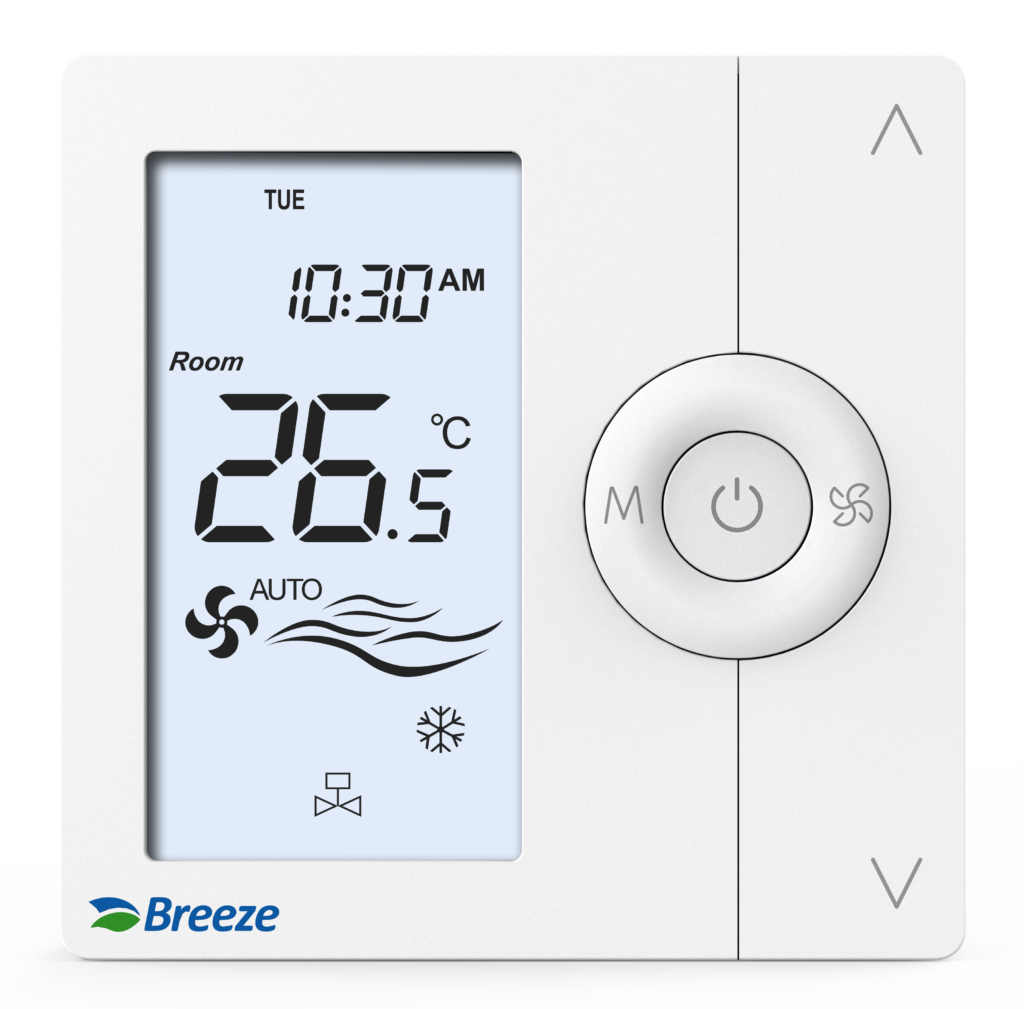
Many digital thermostats, even smart ones, rely on batteries for power. If the screen is dim, blank, or showing a low battery icon, this is your likely culprit. But even if the screen looks fine, the batteries may not have enough power to send a strong signal to the furnace. Slide the thermostat’s body off its wall plate or open the cover to find them. Replacing the AA or AAA batteries is often all it takes.
Think of it like a TV remote with dying batteries. You might see the remote’s light flicker when you press a button, but the TV doesn’t respond. The same thing happens here: the click means the thermostat is trying, but weak batteries can result in a thermostat not sending a proper signal to the furnace. If fresh batteries and correct settings don’t solve it, the problem may lie with the furnace’s own power supply.
Is Your Furnace Getting Power? Two Switches You Must Check
Many homeowners don’t realize that furnaces have a dedicated power switch—often mistaken for a regular light switch—located on or near the unit itself. This switch is installed for service work but can easily be flipped off by accident. Before doing anything else, find this switch and confirm it’s in the “ON” position. This is a crucial first step in any thermostat vs. furnace problem diagnosis.
Next, head to your home’s main electrical panel. Your furnace runs on a dedicated circuit, which is protected by a breaker that acts as a safety switch. If it detects an electrical surge, it “trips” to prevent damage. Find the breaker labeled “Furnace” or “HVAC.” If it’s in the middle or OFF position, reset it by pushing it firmly to OFF and then back to ON.
If a flipped switch was the culprit, you might hear the furnace kick on right away. But if you’ve confirmed the unit has power and it’s still not producing heat, the system might be protecting itself for a different reason.
The #1 Overlooked Culprit: How a Clogged Air Filter Shuts Down Your Heat
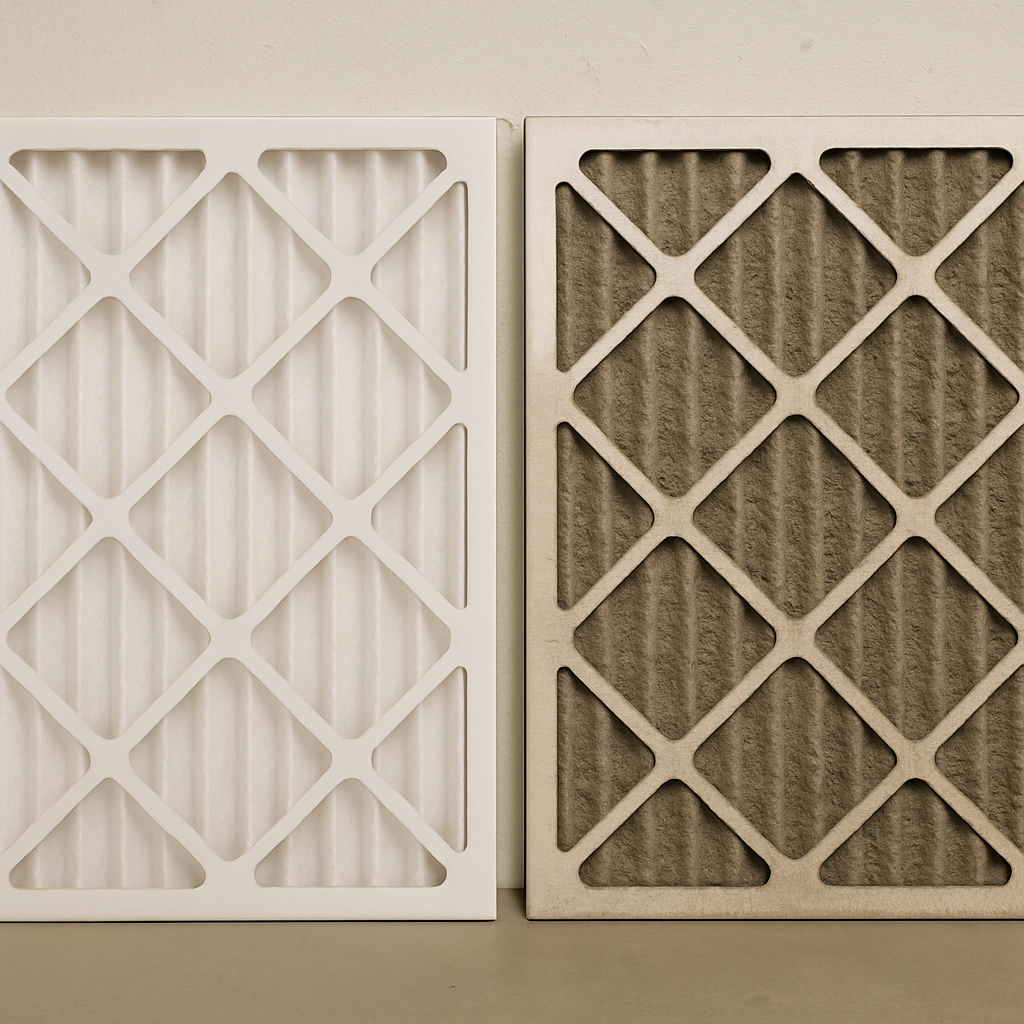
Just like you can’t run a marathon while breathing through a straw, your furnace can’t run properly if it can’t pull in enough air. Its air filter is designed to catch dust and debris, but when it becomes completely clogged, it effectively suffocates the system. This is one of the most common reasons a furnace won’t kick on, yet it’s frequently overlooked.
When this happens, the furnace can quickly start to overheat. To prevent damage or a fire hazard, every furnace has a built-in safety switch that will shut the whole system down if internal temperatures get too high. This is a furnace lockout . The thermostat is still calling for heat (the click), but the furnace is refusing to run because it has put itself in a “safety timeout.” This is not a malfunction, but a sign that the furnace is protecting itself.
Locate the filter access panel on your furnace—it’s usually a thin slot on the side or bottom. Slide the filter out and hold it up to a light. If you can’t see light through it, you’ve almost certainly found your problem. Replacing a dirty filter is a simple two-minute fix that can often reset this safety lockout and bring your heat back on, saving you an expensive and unnecessary service call.
Furnace Ignites Then Shuts Off? It’s Likely a Dirty Flame Sensor
Perhaps the most frustrating furnace problem is when you can hear it trying to work. You’ll hear the click, then a whoosh as the burners ignite, giving you a moment of hope—only for the flame to extinguish after just three to five seconds. The system may repeat this cycle a few times before giving up completely. This specific behavior points directly to a faulty flame sensor reading.
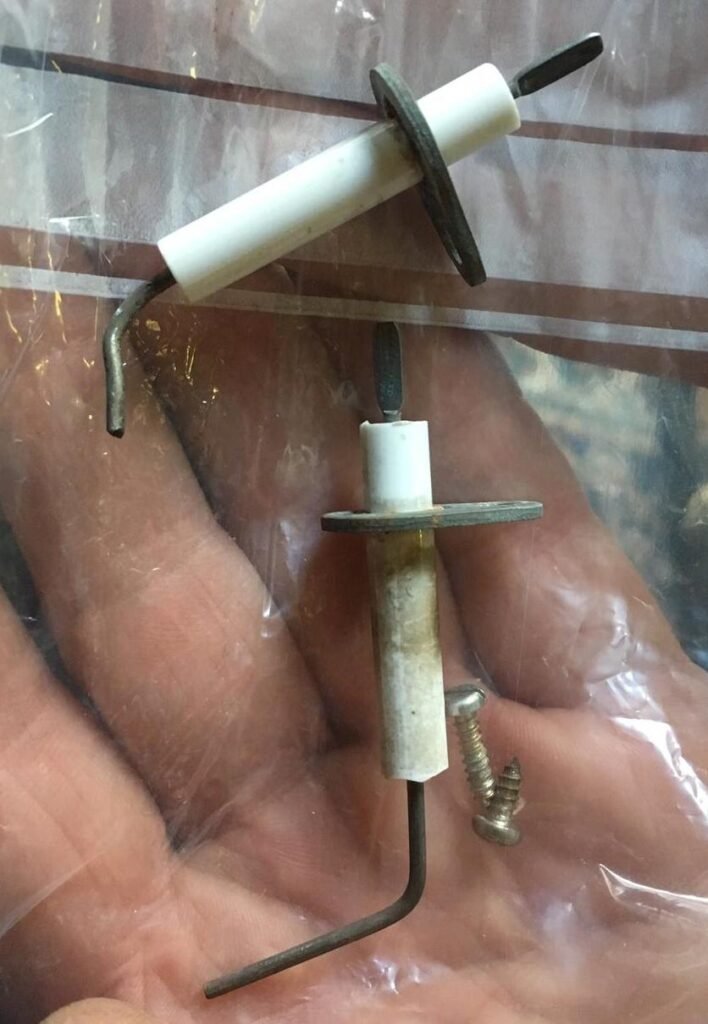
Think of the flame sensor as a critical safety guard. Its only job is to physically detect a flame and confirm that the gas is burning safely. If it can’t “see” the flame, it assumes something is wrong and immediately tells the main control board to shut off the gas supply. This prevents dangerous, unburnt natural gas from pumping into your home.
Over time, this small metal rod can get coated in soot and residue, which is like putting a blindfold on your safety guard. It can no longer see the flame that’s right in front of it and initiates a shutdown. While cleaning a furnace flame sensor is a task for a qualified technician, identifying this symptom is powerful information. You can tell them, “My furnace lights for a few seconds and then shuts down,” which helps them diagnose the issue in minutes.
Decoding the Secret Message: What a Blinking Light on Your Furnace Reveals
That blinking light is one of the most useful clues your furnace can give you. Deep inside your furnace is a furnace control board, which acts as its brain. When it detects a problem, like a dirty flame sensor or an overheating component, it flashes a diagnostic code through a small LED light, sending a precise “SOS” message about what’s wrong.
To see this message, you don’t need to take anything apart. Look for a small, circular plastic window on one of the main furnace doors. Peering through it, you’ll likely see a blinking green or red light. The pattern of these blinks—for example, three short flashes followed by two long ones—is the code. The key for this message is almost always a sticker on the inside of the furnace panel, listing what each blink code means.
Knowing this code transforms a confusing problem into specific information. Instead of just saying “the heat is broken,” you can tell a technician, “The furnace is flashing a code for a ‘pressure switch fault.'” This information is invaluable, saving the technician diagnostic time and saving you money. After a few failed attempts, the board may stop trying, a safety step called a furnace lockout, which often requires a professional to perform a reset.
Know When to Stop: 5 Signs You Absolutely Must Call an HVAC Pro
While solving a furnace problem yourself is rewarding, knowing your limits is the most important part of DIY troubleshooting. Your furnace will give clear signals when a problem is beyond a simple fix. If you see, hear, or smell any of the following, it’s time to stop and call for help.
Here are five non-negotiable signs you need to call an HVAC technician:
- You smell gas (like rotten eggs).
- You hear loud banging, scraping, or high-pitched squealing.
- You see a significant pool of water around the furnace.
- The furnace repeatedly tries to start and then shuts down (a “lockout”).
- You’ve done all the simple checks and still have no heat.
That first sign—the smell of gas—is an emergency. If you suspect a leak, do not touch any light switches or electronics. Immediately leave the house, and from a safe distance outside, call your gas utility company’s emergency line. The other signs point to serious mechanical or safety issues, and in these cases, making that call is the smartest—and safest—next step.
Your Action Plan for a Warm Home
That initial thermostat click is no longer a mystery but the first step in a clear diagnostic path. By checking the thermostat, breaker box, and air filter, you’ve learned to distinguish between a simple fix and a genuine furnace problem.
If your heat is now humming along, great—you just saved yourself a service call. If it’s not, you’re still in control. Knowing when to call an HVAC technician and arming them with valuable information ensures a faster, more efficient repair. Saying, “I’ve already checked the thermostat, power, and filter,” transforms you from a frantic caller into a helpful partner.
You now have a clear process to follow when your furnace won’t kick on. This knowledge turns potential panic into confident action, saving you money, reducing stress, and making you a more empowered homeowner—and that’s a comfort that lasts all year.
If your thermostat clicks but no heat comes on, check basic settings and power first, then investigate airflow and ignition issues. Simple fixes might restore heat, but calling an HVAC tech is often the safest next step.
FAQ:
Why does my thermostat click but no heat comes on?
A click often means your thermostat is sending a signal, but blocked airflow (like a dirty filter), power issues, or internal furnace problems can prevent the heat from actually starting.
Could a simple setting or thermostat battery be the issue?
Yes — incorrect mode (e.g., still on “Cool”), low temperature setting, or dead thermostat batteries can cause clicks without heat activation.
Can a filthy air filter really stop the heat even if the thermostat clicks?
Absolutely — a clogged filter can restrict airflow and trigger safety switches, stopping the furnace from igniting despite the thermostat sending the heat call.
Should I check the power supply if my thermostat clicks but the furnace doesn’t respond?
Yes — a tripped circuit breaker or turned-off furnace power switch can cut power to the system so no heat will start.
Can component failures inside my furnace cause this problem?
Yes — issues like a dirty flame sensor, failed ignitor, blower motor problems, or bad capacitor can all stop heat from starting even when the thermostat clicks.
When should I call a professional HVAC technician?
If basic checks (settings, batteries, filter, breaker) don’t fix it, or if you suspect electrical or gas system issues, a trained technician should diagnose and repair the problem.