
In most houses with attic ducts, the ducts and not the equipment are why one room never gets comfortable. Air leaves the air handler at the temperature the system produced, and some of it never reaches a room.
The losses happen three ways: air escapes through gaps, heat passes through the duct wall into a hot attic, and a starved return keeps the system from moving the air it was built to move. Each has a different fix, and the order matters.
Ducts are assembled from pieces, and every joint, collar, takeoff and boot is a place air can escape. Years of attic heat dry out the old cloth-backed tape, flex gets crushed under stored boxes, and boots pull away from the ceiling. None of it announces itself; the house does.
Where a duct system loses air
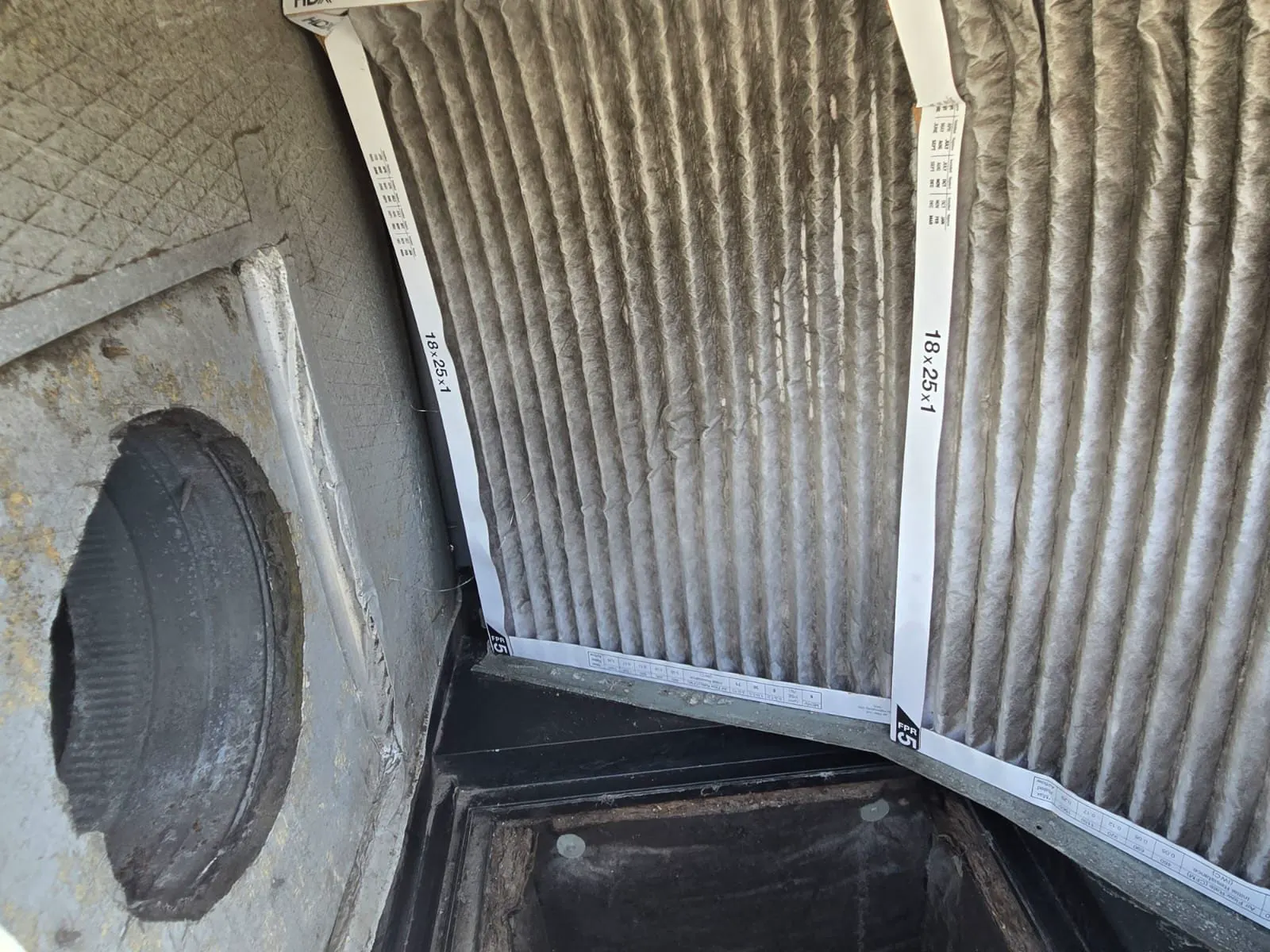
Return air passes through the filter into the air handler, gets heated or cooled, and travels through the attic ducts to the registers. Air escapes at every collar, takeoff and boot that has loosened, and heat passes through thin duct walls in an attic that is far hotter than the house. A leak on the return side pulls attic dust in behind the filter.
Everything we do with ducts and air
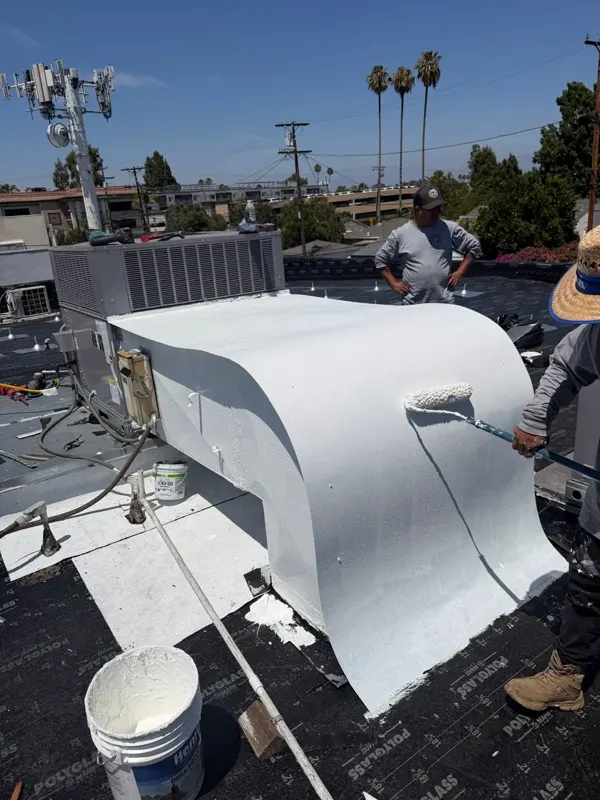
Duct repair and sealing
Sealing leaks and fixing crushed or disconnected runs.

New ductwork
New duct systems and full replacements.
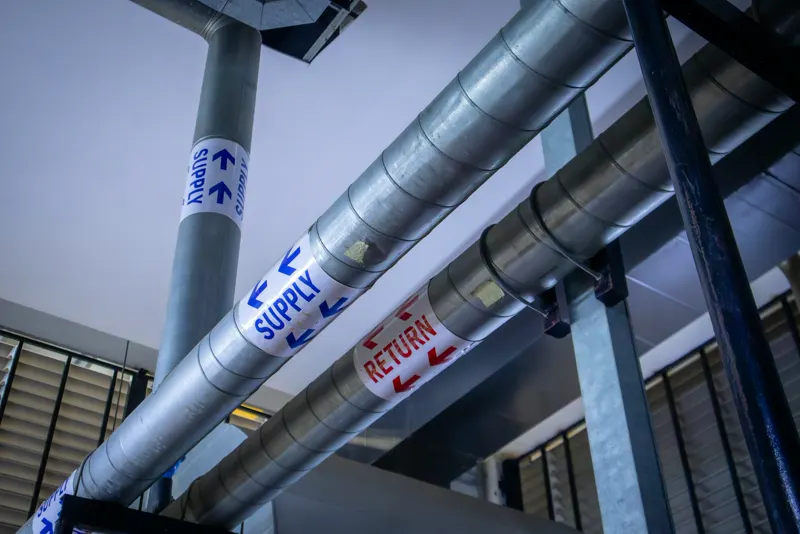
Duct cleaning
When cleaning is worth doing, and when it is not.
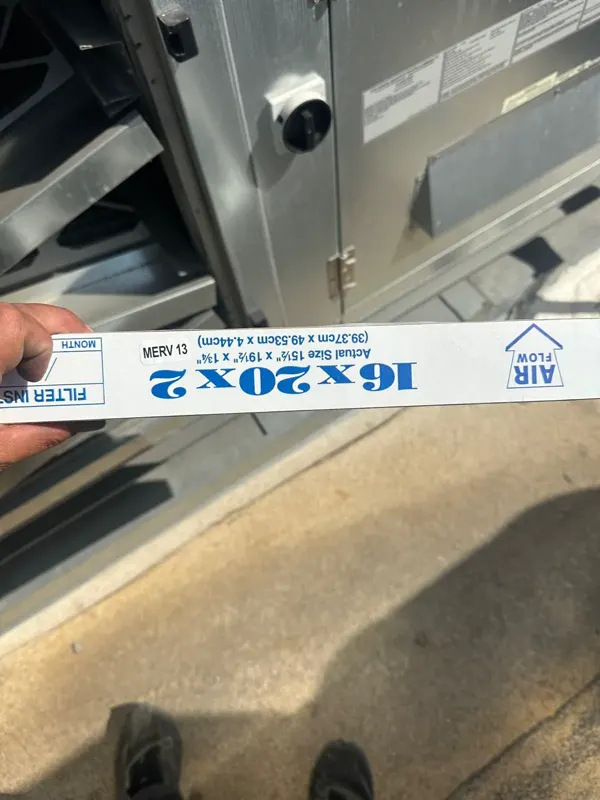
Whole-home air purifiers
Filtration that fits what your system can handle.
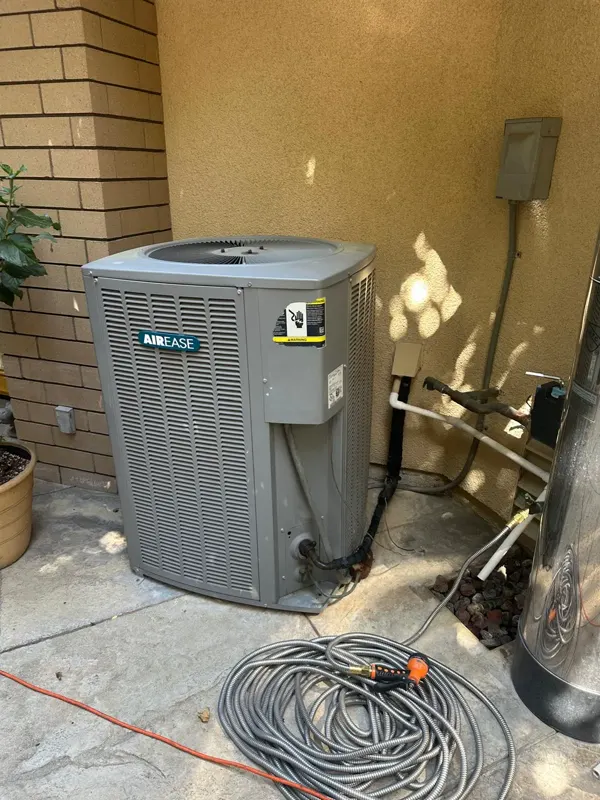
Coil cleaning
Both coils, cleaned the way the manufacturer says.
Why people call us for ductwork
- Rooms that never cool or heat
- Dusty air after the system runs
- Whistling or rattling in the walls
- High bills with a healthy unit
- Attic ducts that are visibly damaged
$69 diagnostic, credited toward the work
- Airflow and static-pressure test
- Leak inspection
- Sealing or section replacement
- Duct wrap check
- Balance and re-test
How duct work goes
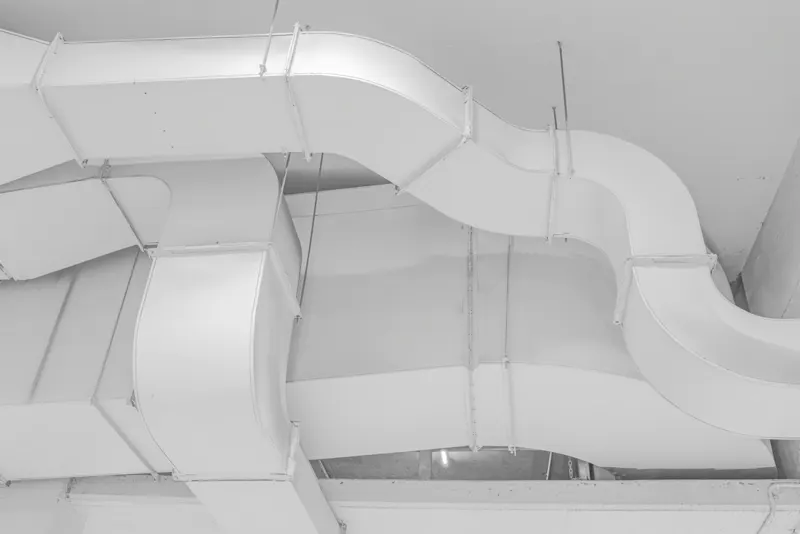
The whole duct system gets looked at: supply runs, returns, boots, the plenum and the air handler cabinet. Crushed flex, pulled-away boots and failed tape are usually visible once someone is in the attic.
Then the call: right-sized ducts in decent shape get sealed; failing material or a layout that never worked gets replaced. You see what gets sealed, what gets replaced and the price before any work starts.
Joints are sealed with mastic or UL 181 tape, damaged runs are replaced and boots are sealed to the ceiling from inside the house. Airflow is checked at the registers afterwards so you can feel the difference room by room. Our labor carries a one-year warranty.








We repair, maintain and install these brands. Logos identify the equipment we work on and do not imply endorsement by the manufacturer.
Before you call
Leaks show in the house, not the equipment
One room that never matches the rest, dust that comes back days after you clean, a system that runs longer every summer. Nothing sounds broken, which is why leaks go unnoticed for years. Read more
Seal or replace: the honest rule
If the ducts are the right size, in decent shape and just leaky, seal them. If the material is failing or the design was wrong from the start, sealing turns a bad duct system into a tight bad duct system. Read more
Insulation is what survives the attic
R-value is how much the duct's blanket resists heat passing through it. Higher means more of the cold air's chill reaches the register while the attic around the duct is hotter than a parked car. Read more
Fix the losses in the right order
Air escapes through gaps, heat passes through the duct wall, and a starved return stops the system moving the air it was built for. Each has a different fix, and doing them in the wrong order wastes money. Read more
Duct services
Common questions
The clues are in the house, not the equipment: one room that never matches the rest, dust that comes back days after you clean, and a system that runs longer every summer. In attic-duct homes, leaks are the normal condition, not the exception. Read more
Sealing fixes leaks. Replacement fixes leaks plus everything else: undersized runs, crushed flex, thin insulation, a layout that never served the back bedroom. If the ducts are the right size and just leaky, seal them. Sealing a badly designed system gives you a tight bad system. Read more
Yes, in an attic. R-value measures how much the insulation resists heat passing through it. On a duct, it decides how much of the cold air's chill survives the trip to the register while the attic around it is far hotter than the house. Read more
The Department of Energy puts typical duct losses at 20 to 30 percent of the air moving through the system, from leaks, holes and poor connections. In an attic that loss is paid for twice: once for the air, once for the heat it picks up. Read more
Sealing every joint, collar and boot, replacing crushed or failing runs, and fixing the return if it is starved. A vacuum in a register is not a duct improvement. Read more
One year on our labor, plus the manufacturer's warranty on parts and equipment.
A mini-duct system moves air through flexible tubes about two inches across, small enough to thread through joist bays and wall cavities, which is why they exist. The other route is ductless mini splits, which skip the ducts entirely. Read more
“Dave took care of my family and I during the heat wave! Diagnosed the problem, got it fixed, and was on his way to the next house. Great service! Thank you!”
Schedule service
Fill in the form or call. We are on the phones 6am–10pm.
818-277-5056Licensed #1119892 · Veteran-owned · Pasadena & Reseda