A furnace sits unused for most of the year, collects dust, and then gets asked to light on the first cold night. A fall visit is about two things: confirming it is safe, and finding the part that is about to fail while the weather is still mild.
The safety half matters most on gas equipment. The heat exchanger, the vent and the gas connections are what keep combustion gases out of the rooms you live in.
A furnace safety inspection is a once-a-year check that the parts keeping combustion gases out of the house are still doing their job. The heat exchanger, the vent and the gas connections get most of the attention, because carbon monoxide has no smell and no color.
Why people call us for furnace maintenance
- Preparing for winter
- Furnace has not been serviced in years
- Smell on first start-up
- Uneven heat
- Warranty requires annual service
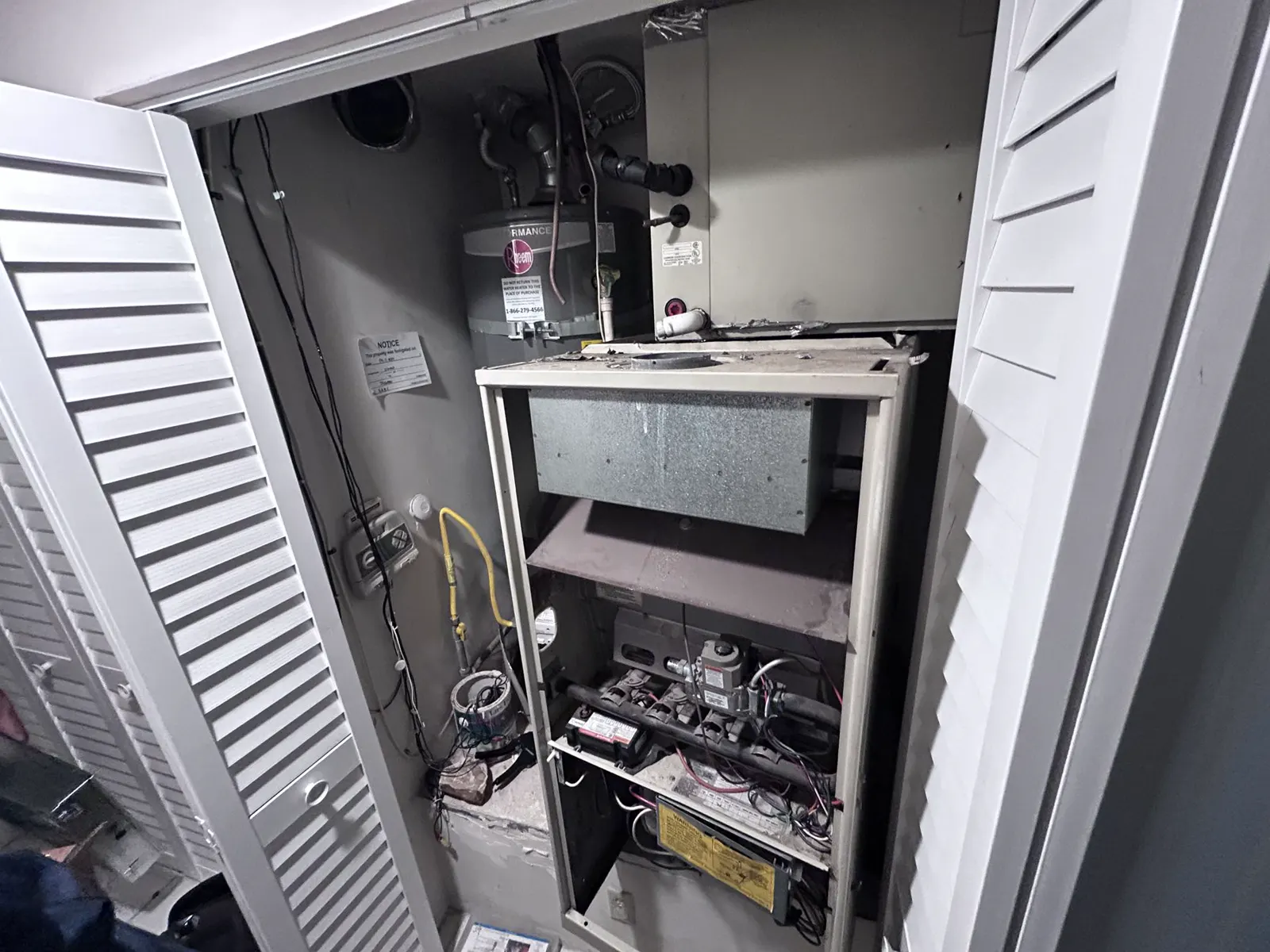
A full check, priced before we book
- Combustion analysis and CO test
- Burner and igniter cleaning
- Heat exchanger inspection
- Filter replaced
- Written condition report
How a furnace maintenance visit goes
Book in fall, before the first cold night. The furnace has been sitting since spring, and a weak ignitor or a dirty flame sensor is a much easier conversation on a mild afternoon.
The visit is a safety inspection first: heat exchanger, vent and gas connections, with a carbon monoxide check. Then the ignitor, flame sensor, limit switches, blower and capacitor get tested, the burners and flame sensor are cleaned and the filter is checked.
You hear what was found. If a part is on its way out, you get a written price and you decide. A fall check is not the $69 diagnostic; call and you will hear the price before you book.








We repair, maintain and install these brands. Logos identify the equipment we work on and do not imply endorsement by the manufacturer.
Before you call
What the inspection is really for
A gas furnace makes carbon monoxide as a normal byproduct, and in a healthy furnace all of it goes up the vent. The inspection checks the heat exchanger, the vent and the gas connections, the three things that keep it that way. A sales visit that skips the heat exchanger is not an inspection. Read more
Fall is the deadline
Get the heater ready before the first cold night, not after. Once the temperature drops, every shop is booked and a part that would have been an easy swap in October becomes a cold weekend in December. Read more
Carbon monoxide alarms are part of the system
California requires a CO alarm in every existing home with a fuel-burning appliance or an attached garage. If you have a gas furnace and no alarm, that is the first thing to fix. Check the batteries when you change the filter. Read more
Short cycling after service is a filter, not a fault
If the furnace starts running short cycles a few weeks after the visit, check the filter first. A furnace that is choked for air overheats and its limit switch shuts it down to protect it. Read more
Goes with a fall check
Common questions
The parts that keep combustion gases out of the living space: the heat exchanger, the vent and the gas connections. A gas furnace makes carbon monoxide as a normal byproduct, and it has no smell or color, so the inspection confirms it is all going up the vent. Read more
Once a year, in fall, before the first cold night. It has been sitting idle for months by then, and a weak ignitor or a dirty flame sensor is much easier to deal with on a mild day. Read more
Usually. It is dust burning off the heat exchanger after months of sitting, and it should fade within a few hours. An electrical or melting-plastic smell is not normal: shut the system off. If you smell gas, leave the house and call the gas company from outside. Read more
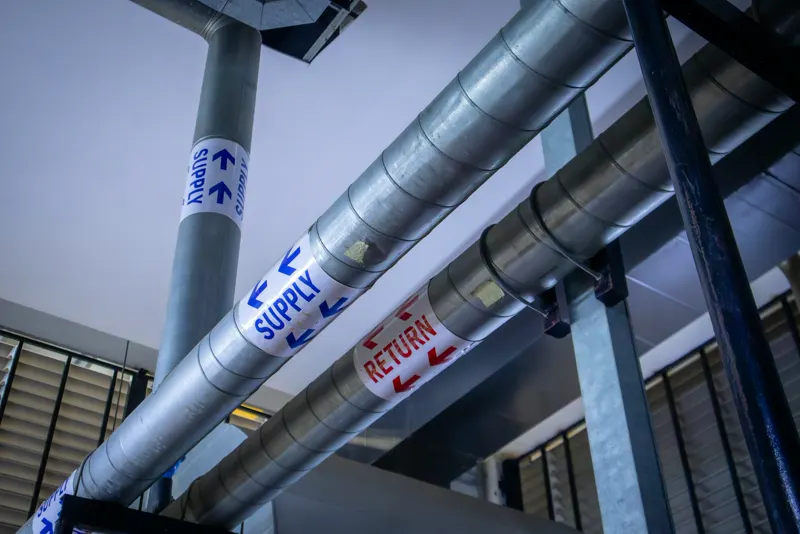
Change the filter on schedule, keep the area around the furnace clear, and make sure supply and return vents are open. Gas parts, burners and anything inside a sealed electrical compartment are for a licensed technician. Read more
No. The $69 diagnostic is for a furnace with something wrong, and it is credited toward the work if you go ahead. Maintenance is a scheduled check on one that is running. Call and you will hear the price before you book.
Yes. We are open seven days, 6am to 10pm.
Not by default; the AC gets its own visit before the cooling season, because its parts are under load then. If you want both handled on a schedule, the maintenance plan puts a spring visit and a fall visit on the calendar. Read more
Schedule service
Fill in the form or call. We are on the phones 6am–10pm.
818-277-5056Licensed #1119892 · Veteran-owned · Pasadena & Reseda