Heating here sits idle for most of the year and then gets asked to work on the first cold night. That is when the failures show up: a furnace that will not light, a heater blowing cold air, or a smell nobody remembers from last winter.
We repair, maintain and install gas furnaces, electric furnaces, heat pumps, and wall and floor furnaces. A visit starts with finding the fault and putting the price in writing.
Heating calls split into two kinds. Gas furnaces, wall furnaces and floor furnaces, where the first job is confirming the combustion side is safe. And heat pumps, which heat by moving warmth from the outdoor air and have their own set of normal noises and behaviors that worry people for no reason.
How a gas furnace heats the house
Room air comes back through the filter, the blower pushes it across a heat exchanger the burners have warmed, and it goes out through the supply ducts to the registers. The combustion gases never mix with it: they leave through the vent. Almost every furnace fault is one of those five stages failing.
Everything we do on the heating side
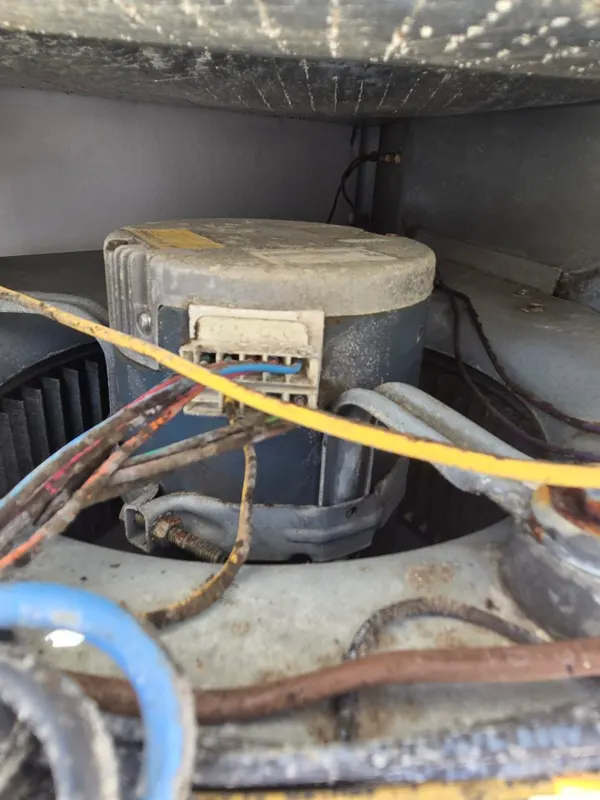
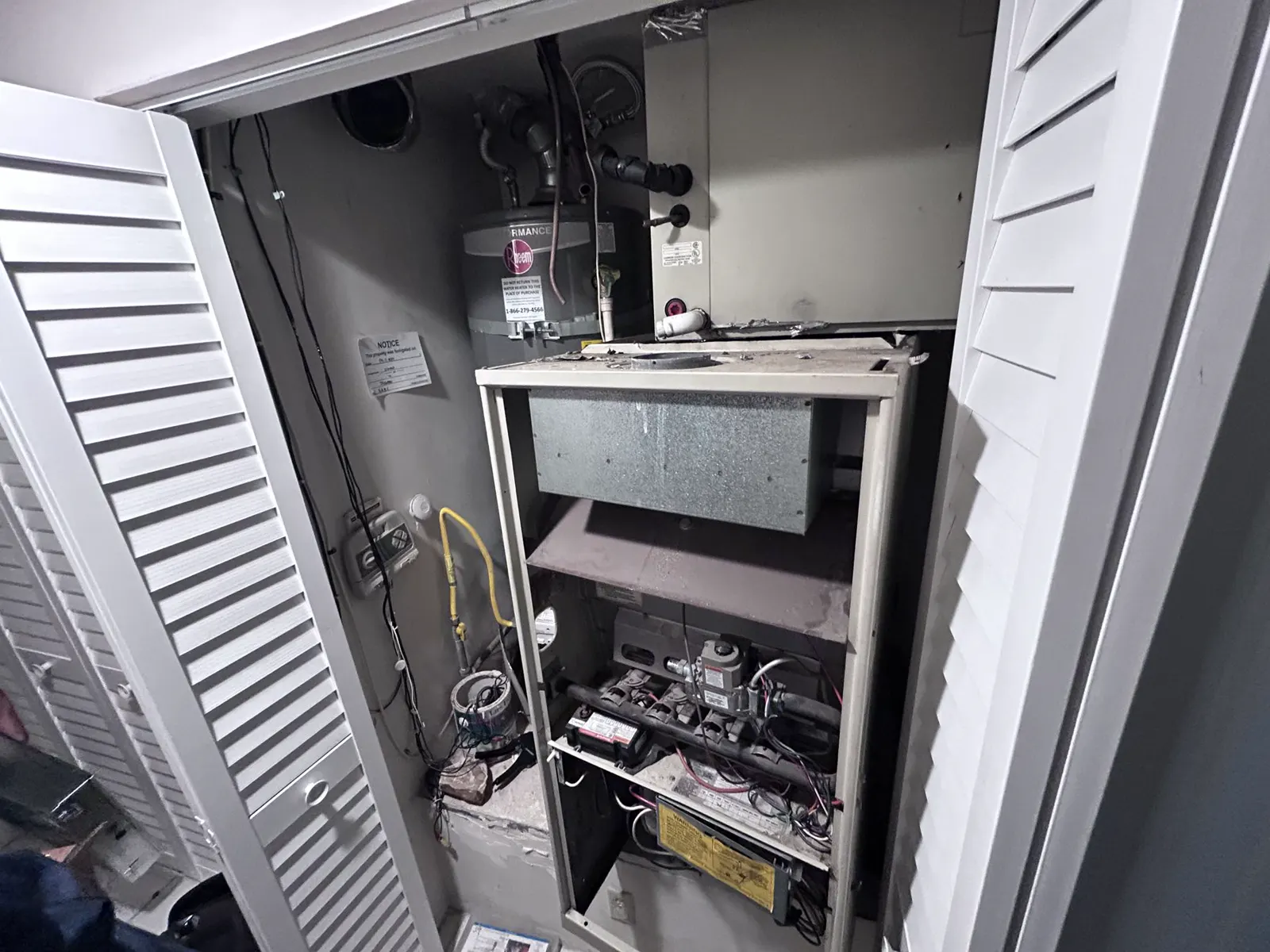
Furnace repair
Will not light, short cycles, or runs with no heat.
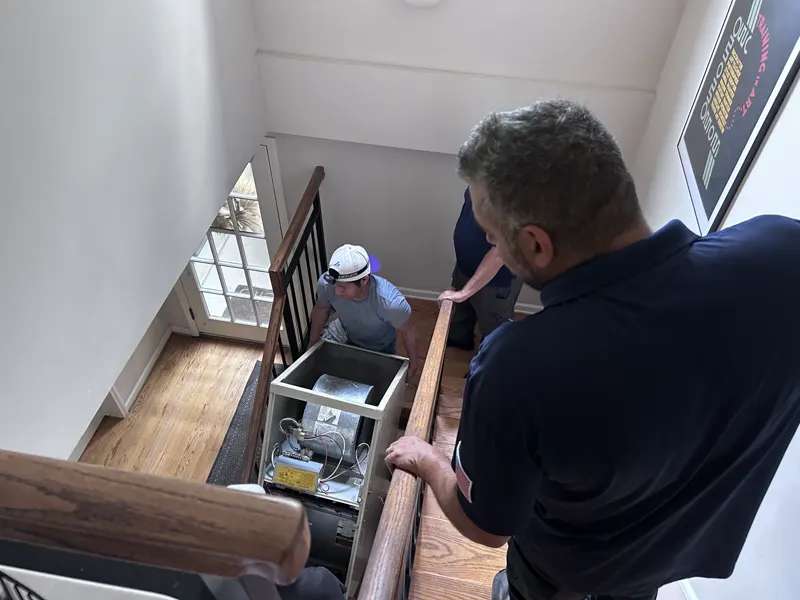
New gas furnace installation
Sized from the house, vented right, permitted.
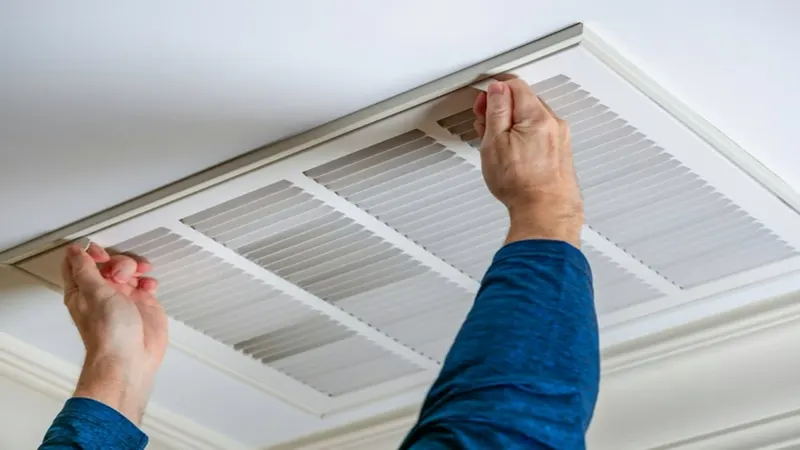
Fall furnace tune-ups
The fall safety check, before the first cold night.
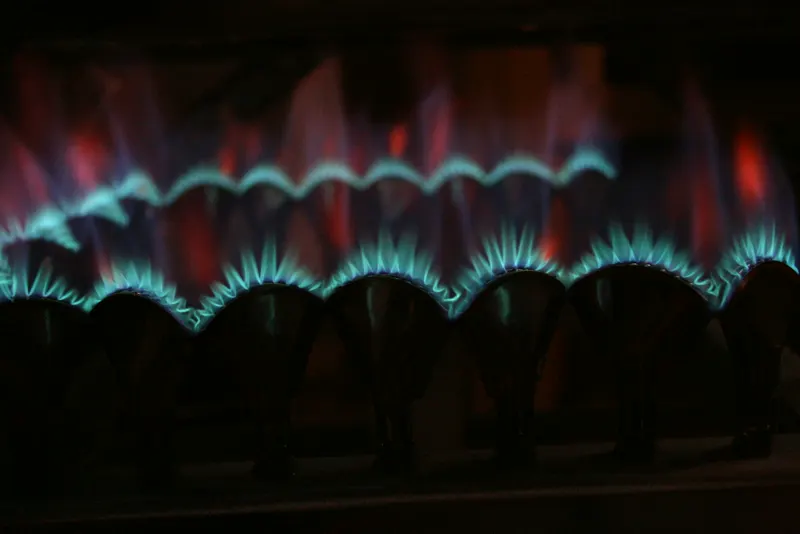
Wall and floor furnace repair
Pilots, thermocouples and when to stop repairing.
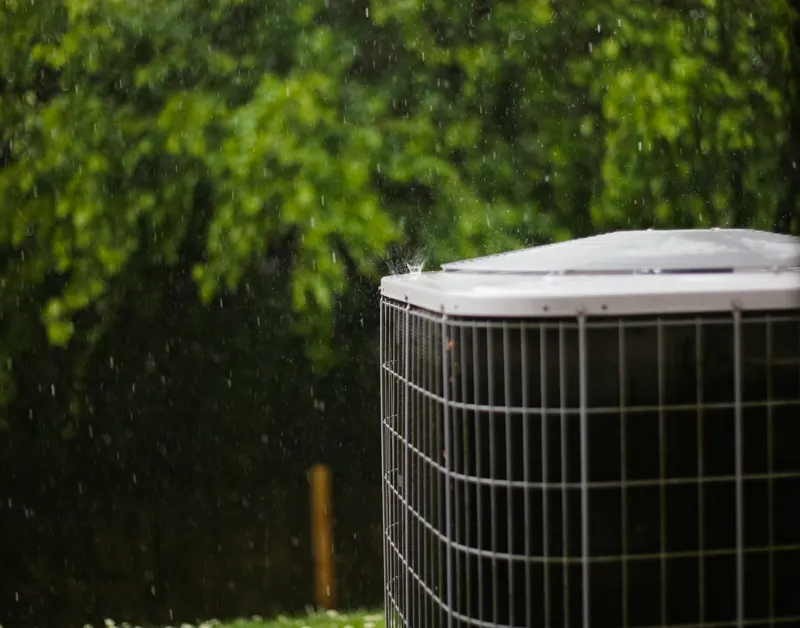
Heat pump installation
One system that heats and cools.
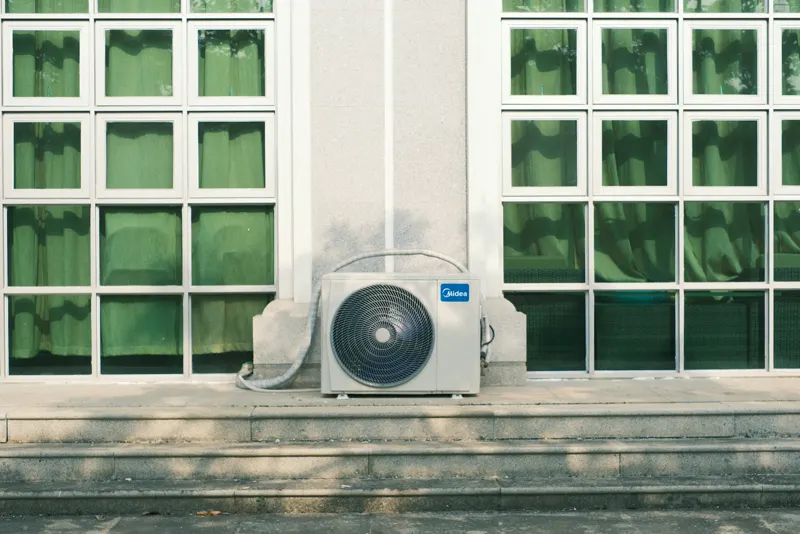
Heat pump repair
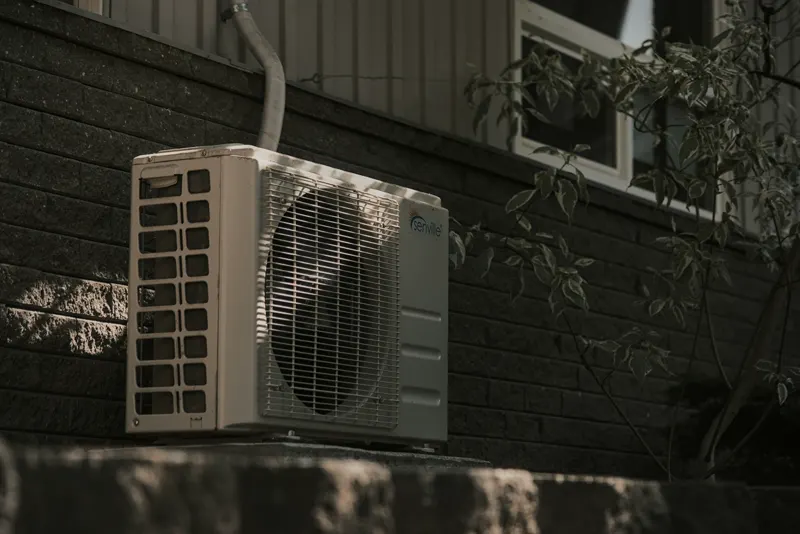
The whooshes that are fine and the noises that are not.
Heat pump maintenance
Two visits a year, because it never gets a season off.
Why people call us for heating
- No heat or intermittent heat
- Pilot or ignition problems
- Burning smell or unusual noise
- Uneven rooms
- Short-cycling
$69 diagnostic, credited toward the work
- Combustion and safety inspection
- Ignition and burner service
- Heat exchanger check
- Filter and airflow check
- Written repair or replacement options
How a heating visit goes
An owner answers the phone, 6am to 10pm, seven days, and we usually get to you within a few hours to a day. Tell us what the system is doing and where it is. If it is not safe to run, we say so before anyone drives out.
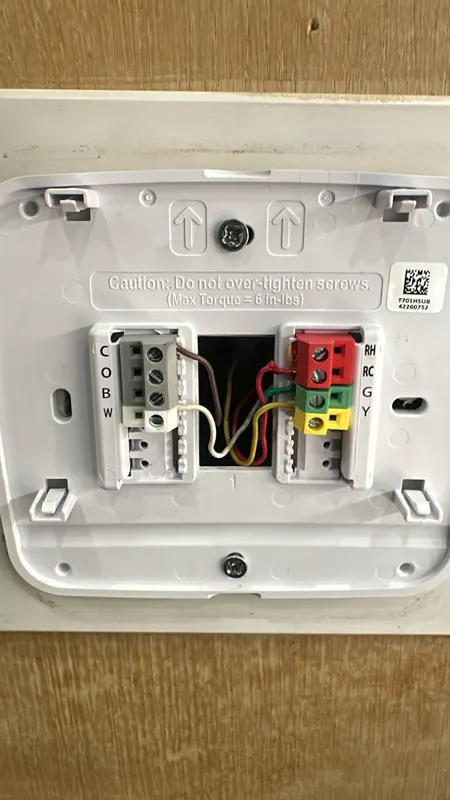
On a gas furnace the safety side comes first: the heat exchanger, the vent and the gas connections. Then the fault-finding runs in the order the furnace fires: ignition, flame sensing, the blower and its capacitor, the limit switches, the control board and the thermostat wiring, until the cause is found.
Before any work starts you see a written price. Go ahead and the $69 diagnostic is credited toward it. Our labor carries a one-year warranty on top of the manufacturer's. The system runs a full heating cycle before the technician leaves.







We repair, maintain and install these brands. Logos identify the equipment we work on and do not imply endorsement by the manufacturer.
Before you call
The signs that mean shut it off and call
A carbon monoxide alarm (leave the house, then call), a rotten-egg gas smell (leave, and call the gas company from outside), yellow or lifting burner flames instead of steady blue, soot or scorch marks on the cabinet or the vent, or smoke and a strong electrical burning smell. None of those waits until morning. Read more
Three checks before you call
The thermostat: set to Heat, a few degrees above the room, fresh batteries, then give it five minutes. The furnace switch and the breaker: the switch next to the furnace gets flipped by painters and people storing boxes; reset a tripped breaker once, and stop if it trips again. The blower door: if it was left loose after a filter change, nothing runs. Read more
Cold air from the vents is usually the fan setting
With the thermostat fan set to On, the blower runs between heating cycles and the air feels cold. Set it to Auto and wait five minutes. If it keeps blowing cold with the burner silent, that is a furnace fault. Read more
Electric furnaces fail differently
No burner and no flue: air passes over resistance elements, and a sequencer switches them on in stages so they do not all draw at once. Blower running but cold air points at an open element, a failed sequencer, or the high-limit switch holding the elements off because a clogged filter has choked the airflow. Read more
Heating services
Common questions
That is dust burning off the heat exchanger after months of sitting, and it should fade within a few hours. An electrical or melting-plastic smell is not normal: shut the system off. If you smell gas, leave the house and call the gas company from outside. Read more
Check the thermostat fan setting first. Set to On, the fan runs between heating cycles and the air feels cold, so set it to Auto. If the burner never lights, that is a furnace fault. A heat pump also pauses for a few minutes to defrost on cold damp mornings, which is normal. Read more
The parts that keep combustion gases out of the living space: the heat exchanger, the vent and the gas connections. A gas furnace makes carbon monoxide as a normal byproduct, and it has no smell or color, so the inspection confirms it is all going up the vent. Read more
A heat pump is an air conditioner that can run in reverse, so one system heats and cools. Swapping a gas furnace for one changes what the system needs from the house, and sometimes the ducts, so it starts with a look at what you have. Read more
Yes. On a wall furnace, a pilot that will not stay lit is usually the thermocouple. Read more
$69, told to you before you book, and credited toward the work if you go ahead.
It depends on the equipment and the rates, not on the fuel alone. A heat pump moves heat instead of making it, so it delivers more heat per unit of electricity than resistance elements do. Gas furnaces vary from 56 to 98.5 percent AFUE. We can compare your options in writing. Read more
Schedule service
Fill in the form or call. We are on the phones 6am–10pm.
818-277-5056Licensed #1119892 · Veteran-owned · Pasadena & Reseda