
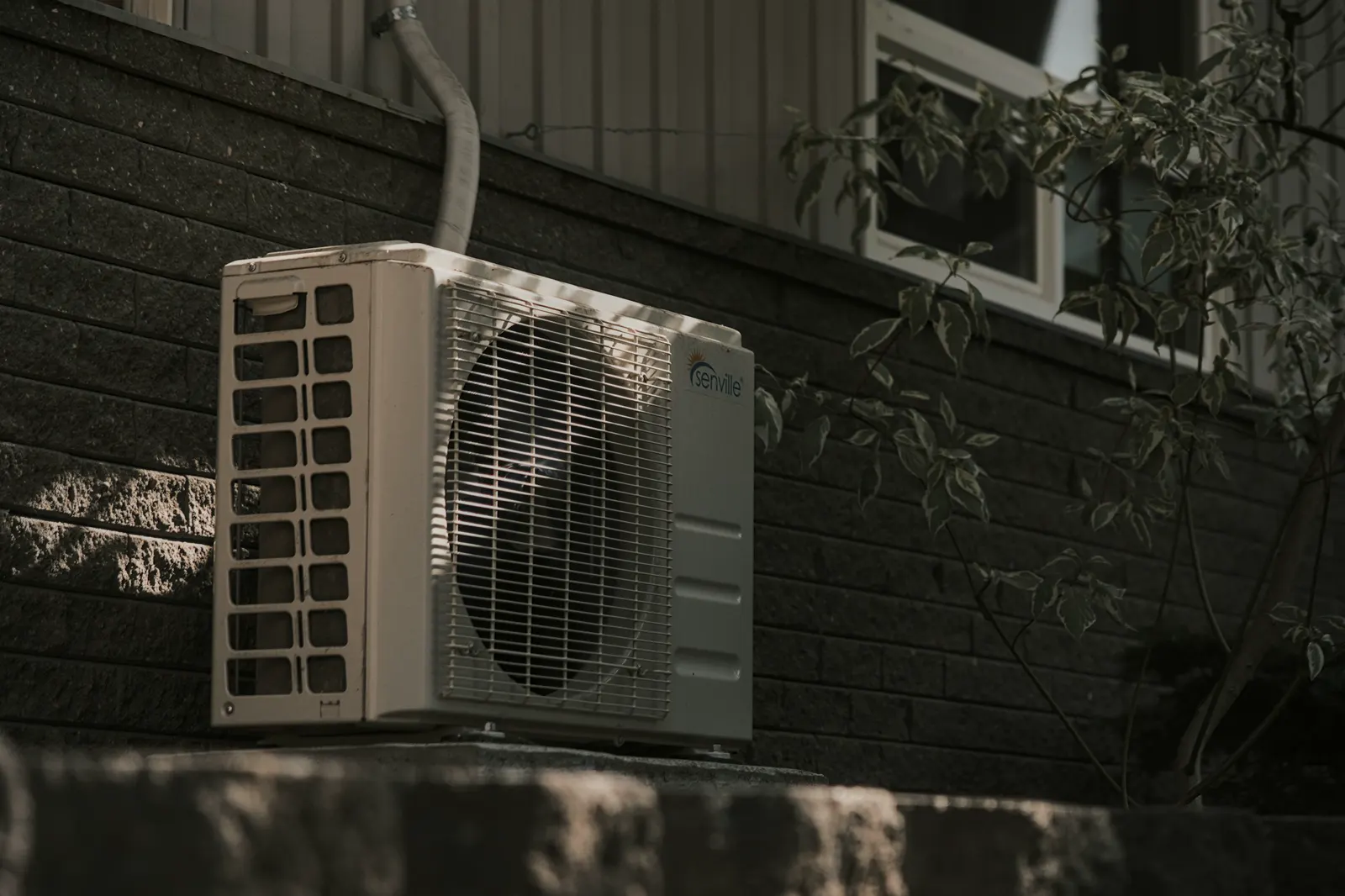
A heat pump gets serviced twice a year, not once, because it works twice as hard as an air conditioner. An AC runs through the hot months and then sits. A heat pump runs those same months in cooling, then turns around and heats all winter.
A spring visit gets the system ready for the load. A fall visit clears what summer and the wind left in the outdoor coil and checks the parts that only work in heating mode.
Skipping a visit does not break the system that month. It shows up as a system that runs longer for the same result, then as a part that fails under load, usually on the hottest or coldest day when every shop is booked.
Why people call us for heat pump maintenance
- Year-round operation
- Bills creeping up
- Reduced airflow
- Warranty requires service
- Preparing for a season change
A full check, priced before we book
- Coil cleaning
- Refrigerant charge check
- Defrost and reversing-valve test
- Filter replaced
- Written condition report
How a heat pump maintenance visit goes
Two visits a year: one before the cooling season, one before the heating season, because a heat pump never gets a season off.
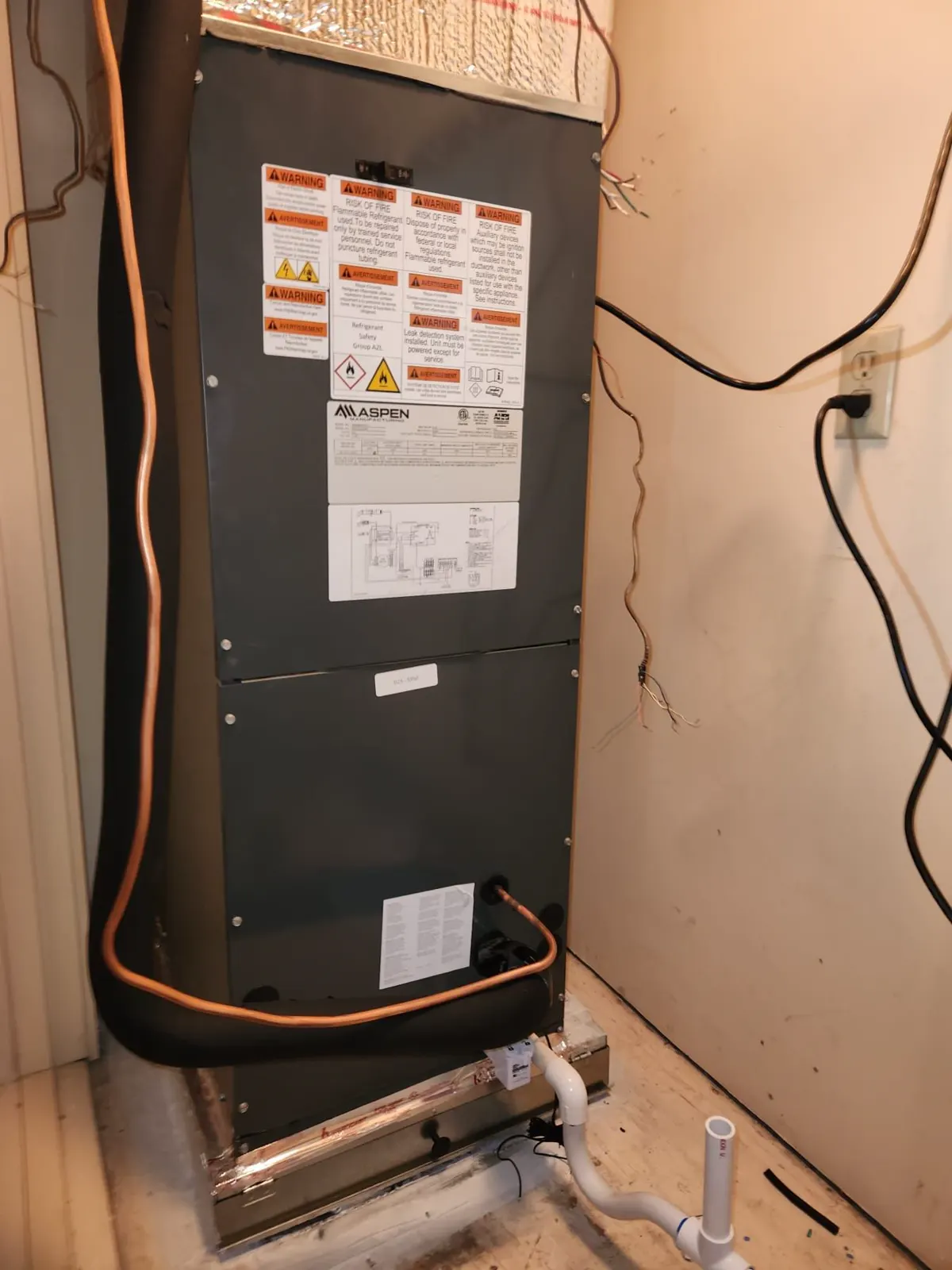
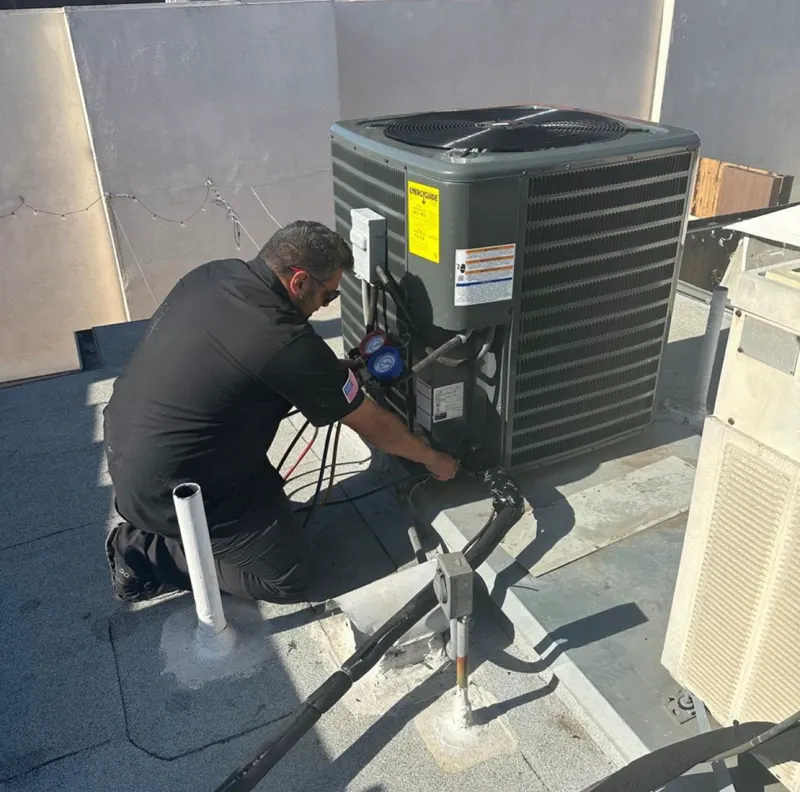
Each visit measures the refrigerant charge, the capacitor, the compressor amperage and the temperature split across the coil against the manufacturer's numbers. The fall visit also checks the parts that only work in heating: the reversing valve, the defrost control and the backup heat strip. The outdoor coil, the drain line and the filter get cleaned or cleared.
You hear the numbers and what they mean. If something is drifting, you get a written price and you decide. A maintenance visit is not the $69 diagnostic; call and you will hear the price before you book.








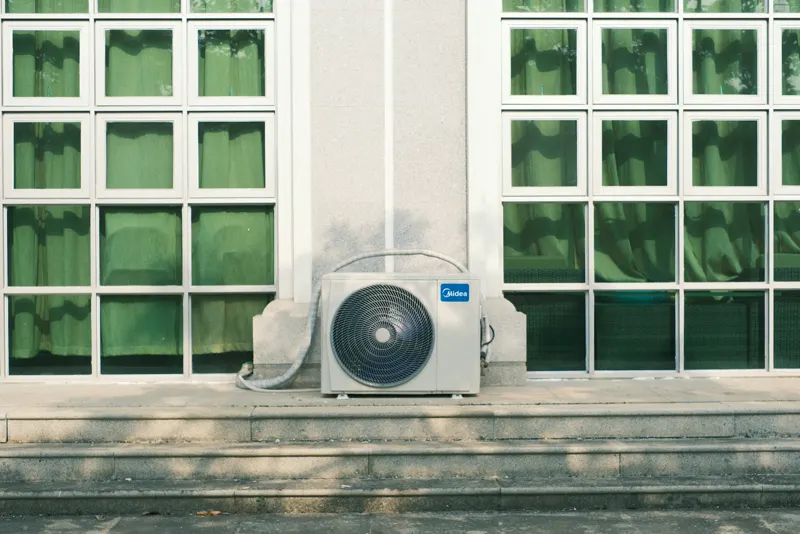
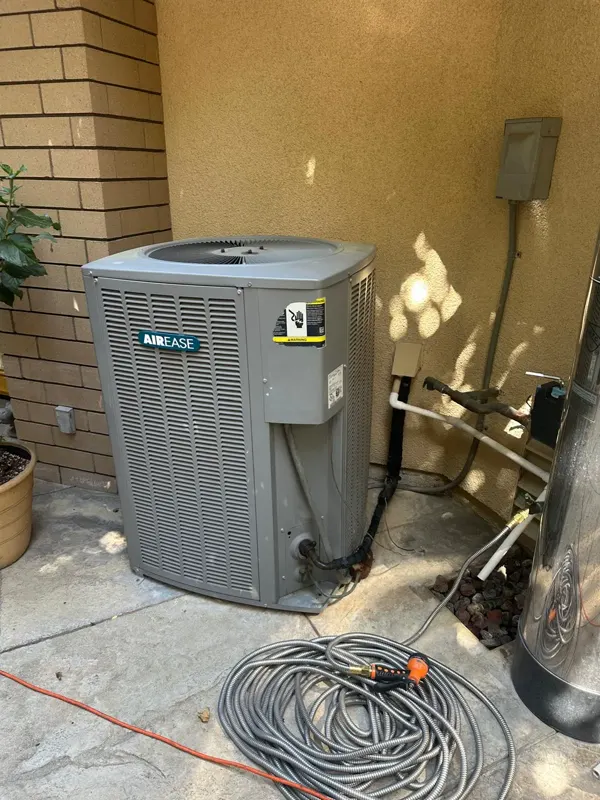
We repair, maintain and install these brands. Logos identify the equipment we work on and do not imply endorsement by the manufacturer.
Before you call
Monthly: the filter and the outdoor unit
Check the filter every month while the system is in daily use and change it when it is dirty. Keep leaves, grass clippings and debris clear of the outdoor unit. In winter, leave frost on the coil alone; the defrost cycle handles it. Read more
Spring: ready for the cooling load
Refrigerant charge, capacitor, compressor amperage, airflow and the drain, plus the outdoor coil cleaned before the first heat wave asks it to shed a whole house's worth of heat. Read more
Fall: the heating-only parts
The reversing valve, the defrost control and the backup heat strip only work in heating, so a cooling-season check never exercises them. Fall is when they get tested, and when the outdoor coil gets cleared of what the wind packed in. Read more
A pause in winter is not a fault
On a cold damp morning the unit stops heating for a few minutes and may blow cool air while it melts frost off the outdoor coil. That is the defrost cycle working. Ice that builds up and never clears is the thing to call about. Read more
Goes with a heat pump check
Common questions
Because it never gets a season off. It cools through the hot months, then heats through winter, so the compressor, fan and coils run year-round. One visit readies it for cooling. The other clears the outdoor coil and checks the parts that only work in heating. Read more
Check the filter monthly and change it when it is dirty, keep leaves and debris away from the outdoor unit, and keep vents open. Frost on the outdoor coil that melts off during a defrost cycle is normal and needs nothing from you. Read more
Nothing breaks that month. It shows up later as a system that runs longer for the same result, then as a part failing under load, usually on the hottest or coldest day.
Most are. The whoosh is the reversing valve, the hum is the compressor and the click is a relay. A sound that is new, louder than before or continuous is the one worth a call. Read more
No. The $69 diagnostic is for a system with something wrong, and it is credited toward the work if you go ahead. Maintenance is a scheduled check on a system that is running. You hear the price before you book.
Yes. We are open seven days, 6am to 10pm.
Refrigerant charge by superheat or subcooling, the capacitor in microfarads, compressor amperage against the data plate and the temperature split across the coil, each compared with the manufacturer's numbers. If a visit produces no numbers, it was a rinse and a filter change. Read more
Schedule service
Fill in the form or call. We are on the phones 6am–10pm.
818-277-5056Licensed #1119892 · Veteran-owned · Pasadena & Reseda