A furnace safety inspection is a once-a-year check that the parts keeping combustion gases out of your living space are doing their job. The heat exchanger, the vent, and the gas connections get most of the attention, and carbon monoxide is the reason. A gas furnace makes CO as a normal byproduct. In a healthy furnace it goes up the vent and out. The inspection confirms that is still true. Here is what a proper one covers in a Pasadena, CA home, and how to tell a real inspection from a sales visit.
Why carbon monoxide is the point
Carbon monoxide has no smell and no color. Low levels cause headaches, dizziness, and nausea that people often blame on a cold. Higher levels are dangerous. The furnace's heat exchanger is a metal barrier between the burning gas on one side and the air your blower sends into the rooms on the other. The vent carries the exhaust outside. If either fails, CO can end up in the house.
This is not a reason to be afraid of your furnace. Most furnaces run for years without a problem. It is a reason to do two things: have working CO alarms, and have the furnace checked once a year before the heating season. California has required CO alarms in homes with fuel-burning appliances since 2011. Put one on each level and near the bedrooms, test them in fall, and replace them when they reach the age printed on the back.
If a CO alarm sounds, get everyone outside and call 911 or the gas utility from outside. If you smell gas, leave without flipping any switches and call the gas utility, SoCalGas in this area, from outside.
What the inspection covers
A thorough inspection runs through the furnace in the order gas and air move through it. Expect roughly this list.
- Gas supply and connections. Every joint from the shutoff valve to the burner manifold gets checked for leaks with a detector or solution. Manifold pressure is measured and compared to the rating plate.
- Burners and ignition. Burners are inspected for rust, debris, and uneven flame. The pilot or igniter and the flame sensor are checked and cleaned.
- Heat exchanger. This is the main event. The tech looks for cracks, rust-through, and separated seams, using a light, a mirror, and where the design allows, a camera. On many furnaces the tech also watches the burner flame as the blower starts; a flame that flutters or changes shape when the fan kicks on suggests air is getting through the exchanger wall.
- Combustion analysis. A meter in the flue reads CO and oxygen levels in the exhaust, and a separate reading at the supply registers confirms nothing is getting into the air stream. Numbers, not opinions.
- Venting. The vent pipe is checked for proper slope, secure joints, rust, and a clear termination. On older furnaces the tech checks that the draft hood is actually drawing. On high-efficiency furnaces the PVC vent and condensate drain are checked.
- Safety switches. The high-limit, rollout switches, and pressure switch are tested to confirm they open when they should.
- Blower and airflow. The blower wheel, motor, capacitor, and filter get checked. Static pressure is measured on a full visit. Low airflow overheats the exchanger, which is how cracks start.
- Electrical. Wiring, transformer, and control board checked for heat damage.
- Around the furnace. Clearance from stored items, closet door louvers open, combustion air available.
A furnace in a hallway closet in a 1950s Arcadia or Monrovia ranch has different clearance and combustion-air rules than one in an attic. Both get the same list.
Signs of a cracked heat exchanger
These are the things that should prompt a call before the yearly visit. None of them is proof by itself.
- A CO alarm going off or chirping a CO warning.
- Burner flames that dance or lift when the blower starts.
- Soot inside the cabinet or at the vent.
- Rust flakes or water under the furnace.
- Headaches, nausea, or drowsiness in the house that clear up outside.
- A furnace that shuts itself off shortly after the blower starts.
Also: if a tech tells you the exchanger is cracked, ask to see it. A photo or video from the camera, or the combustion meter readings, should be part of the finding. A cracked exchanger is a real and serious problem, and it is also one of the most common false alarms in this trade. Asking for the evidence is reasonable, and a second opinion on a replacement recommendation is reasonable too.
What an inspection is not
It is not a list of parts to sell you. A written report should tell you what was measured, what passed, and what, if anything, needs attention. If a furnace fails the exchanger check, that is a replacement conversation and you should be shown why. If it passes, you should be told that plainly. A furnace maintenance visit that includes this inspection is the normal way to get it done; if something turns up, the repair is a separate quote in writing before any work starts.
What you can check yourself
- Test every CO alarm and replace the batteries. Check the manufacture date; they expire.
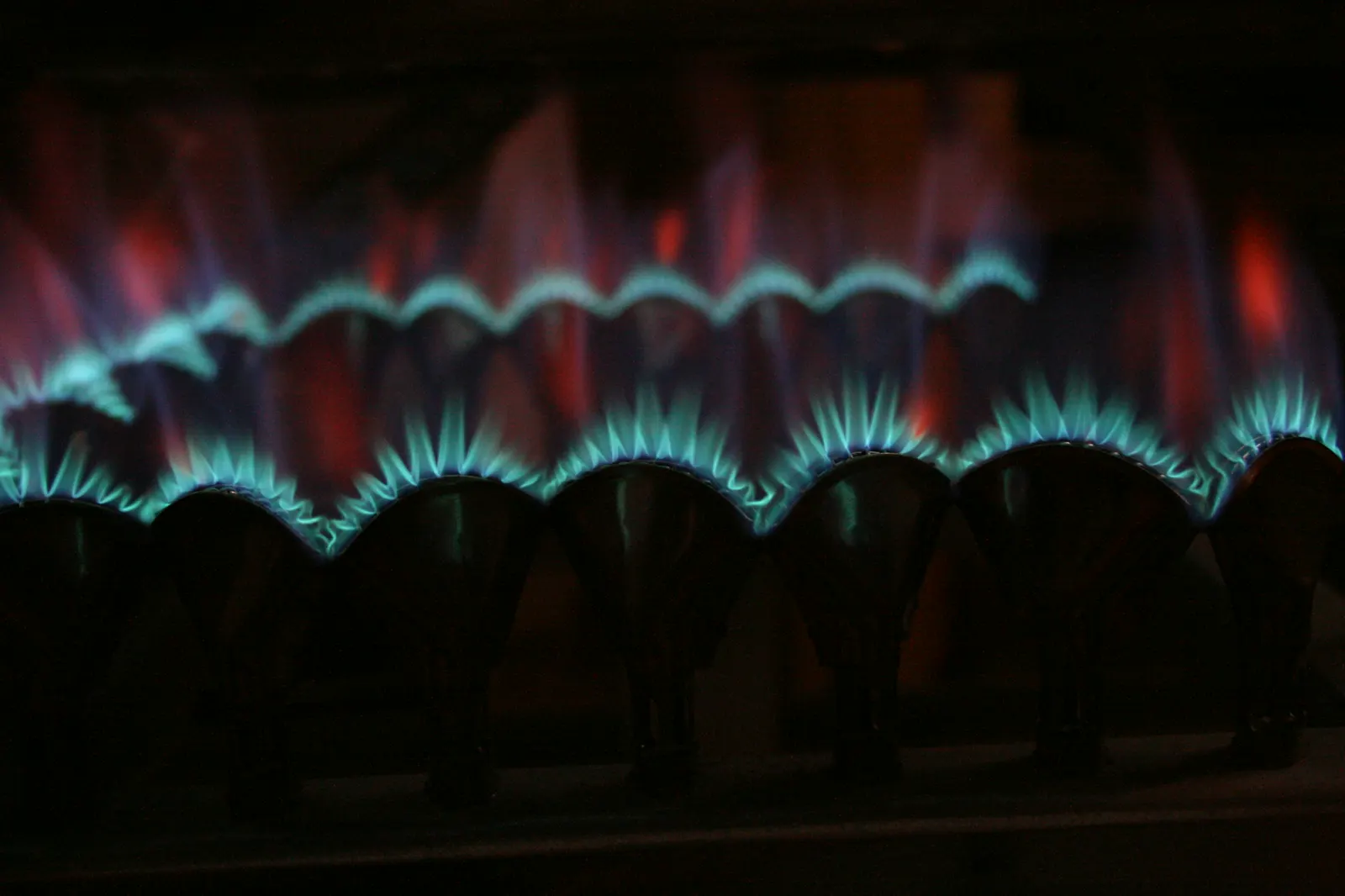
- Look at the burner flame through the viewing window with the furnace running. Steady blue is normal. Yellow, orange, or dancing flames are a reason to call.
- Move anything stored within a few feet of the furnace. Paint, cleaning products, and boxes end up next to closet furnaces constantly.
- Make sure the closet door louvers, if there are any, are open and not painted shut. The furnace needs air to burn.
- From the ground outside, look at the vent cap for a nest, debris, or visible rust.
- Change the filter.
Do not open the burner compartment beyond the viewing window, disconnect any switch, or test gas fittings yourself.
When to call a licensed tech
- Once a year, before the first cold nights, which in the San Gabriel Valley usually means November.
- Any of the cracked heat exchanger signs above, at any time.
- You bought the house and have no record of the furnace ever being inspected.
- The furnace is an older model in an attic or crawlspace that nobody has looked at in years.
- You have been told the exchanger is cracked and want the evidence or a second opinion.
A maintenance plan puts the fall inspection on the calendar so it does not get skipped in the year it matters.
Common questions
How often does a furnace need a safety inspection?
Once a year, in fall, before you rely on it. Furnaces here sit idle for eight months, and the first cold night is not the moment to discover a problem.
Does a furnace inspection include the air conditioner?
Not usually. The AC shares the blower and the ductwork, so airflow findings apply to both, but the coil, refrigerant, and outdoor unit are a separate spring visit. Some maintenance plans cover both.
What if the tech says my heat exchanger is cracked?
Ask for the evidence: the photo or video, the combustion readings, the CO measurement at the registers. If the furnace is unsafe, it should be shut off and you should be told why in writing. If the evidence is thin, a second opinion before replacing a furnace is a normal thing to do.
Our diagnostic visit is $69, quoted before booking and credited toward the work. Reach Boost Services at 818-277-5056 or contact us here.
Written with AI assistance by Boost Services, Heating and Cooling team, and reviewed by our licensed technicians before publishing. Boost Services Heating and Cooling, C-20 #1119892.