
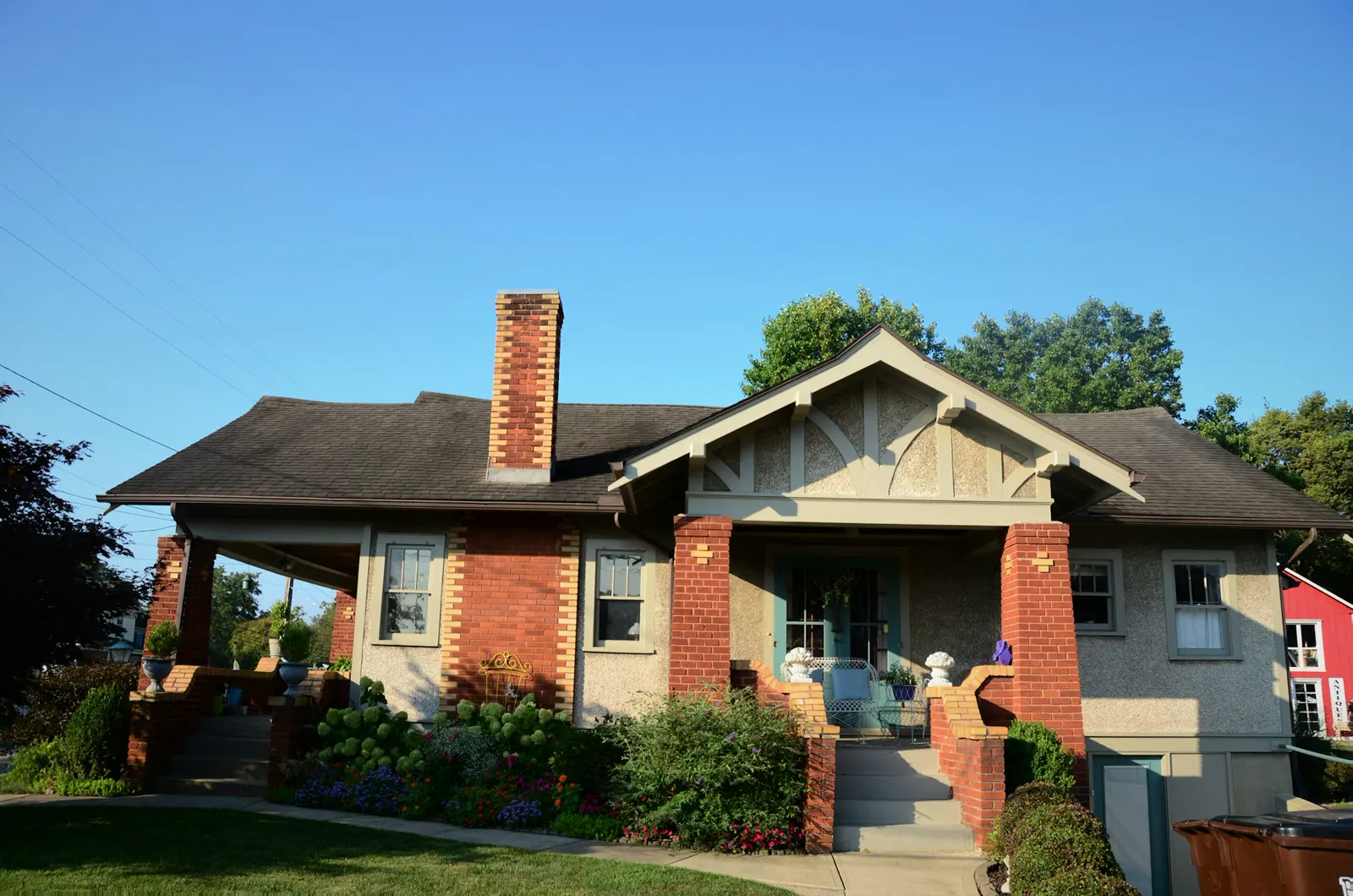
Most wall furnace calls in Pasadena, CA and Altadena come down to a handful of parts: the pilot assembly, the thermocouple or thermopile, the gas valve, and the thin wire running to the thermostat. These heaters are simple, which is why so many installed decades ago are still running in Craftsman bungalows and Spanish revivals that never got ductwork. Simple also means the failures follow a pattern, and you can narrow it down from the hallway before anyone opens a panel.
How a wall furnace works
A gas wall furnace sits inside a wall cavity, usually between the living room and a hallway. Gas burns in a sealed chamber, the heat exchanger warms up, and room air moves across it. Older units are gravity models: warm air rises out the top grille and cool air is drawn in at the bottom, no fan. Some have a small blower. Exhaust goes up a vent inside the wall and out through the roof.
Most of the ones we see are millivolt systems. A standing pilot heats a thermopile, which generates a tiny voltage. That voltage runs the thermostat and opens the gas valve. No 120-volt power is involved, which is why these keep working during a power outage and why a weak pilot can take the whole thing down.
The pilot will not light, or will not stay lit
This is the most common complaint, and it usually traces to one of these.
- Thermocouple or thermopile wearing out. These sensors sit in the pilot flame and tell the valve it is safe to keep gas flowing. They degrade with years of heat. When one gets weak, the pilot lights while you hold the button and dies when you let go.
- Dirty pilot orifice. The pilot opening is tiny. Dust, spider webs, and rust flakes partly block it. The flame gets small and yellow, it cannot heat the sensor properly, and it drops out.
- Drafts. A gravity furnace in a leaky old wall can have enough draft in the cavity to blow a weak pilot out. This shows up on windy nights.
- Gas supply. If the pilot will not light at all and other gas appliances in the house are also acting up, the problem is upstream of the furnace.
If you ever smell gas while trying to light a pilot, stop. Leave the area and call the gas utility. Do not keep trying.
The pilot is lit but the burner never comes on
When the pilot is steady but the main burner will not fire, the problem is usually in the control circuit.
- Weak thermopile. It makes enough voltage to hold the pilot but not enough to pull the main valve open. A tech measures this in millivolts with the thermostat calling and knows in a minute.
- Thermostat. Millivolt thermostats are simple switches. They get old, the contacts corrode, or someone replaced one with a battery-powered digital model that does not work on a millivolt circuit.
- Wiring. The two thin wires between the thermostat and the valve run inside old plaster walls. A loose terminal or a nicked wire breaks the circuit.
- Gas valve. Valves do fail, but they are the last thing to suspect, not the first.
It runs but barely heats, or shuts off early
- Dirty burner. Years of dust in the burner ports make an uneven, lazy flame. Heat output drops.
- Blocked vent. A bird nest, collapsed liner, or debris in the vent pipe restricts the draft. This one matters for safety, because a furnace that cannot vent properly can push combustion gases into the room.
- Dirty grille and heat exchanger surfaces. Dust on the exchanger insulates it. Less heat gets to the room.
- Room changes. A wall furnace sized for a 1925 living room will not keep up after someone opened the wall to the dining room and added a family room.
Signs to turn it off and call
- Soot streaks on the wall above the grille.
- Yellow, lazy, or flickering main burner flames instead of steady blue.
- Scorched paint or a hot wall surface away from the grille.
- A carbon monoxide alarm sounding, or headaches and drowsiness that go away when you leave the house.
If any of these are happening, turn the unit off at its control and do not run it until it has been checked.
Repair or replace
Wall furnaces are still made, and parts for common millivolt models are usually available. Replacing a thermocouple, thermopile, or thermostat is routine wall and floor furnace repair work. A cracked heat exchanger or a rusted-out combustion chamber is not a repair; it means a new unit.
When replacement comes up, a lot of owners of ductless bungalows take the chance to solve two problems at once. A mini split gives that same room heating plus cooling, which a wall furnace never offered, and it does not need a wall cavity or a vent through the roof. It is a bigger job than swapping the furnace, so it is a decision, not a default. If the house has ducts already, or you want to compare all the options, our heating page lays them out.
What you can check yourself
- Confirm the thermostat is set to heat and turned up above room temperature. Sounds obvious. It is the fix more often than anyone admits.
- Look at the pilot through the viewing window or lower panel. Steady blue flame, or none at all?
- If the pilot is out, relight it once following the instructions on the furnace's label. If it will not stay lit, call. On a furnace this old, why it went out matters more than getting it lit again.
- Vacuum dust and pet hair off the front grille with the furnace off and cool.
- Clear furniture, curtains, and anything stored within a few feet of the grille.
- Check that other gas appliances work. If the stove is out too, call the gas utility.
Do not remove burner assemblies, adjust the gas valve, or bypass any switch.
When to call a licensed tech
- The pilot will not stay lit after one careful attempt.
- The pilot holds but the burner will not fire with the thermostat calling.
- You see any of the signs listed under "turn it off" above.
- The unit has not been serviced in years and you want it checked before the first cold nights, which in the San Gabriel Valley usually means late November.
- You are deciding between repairing it and replacing it and want the heat exchanger inspected before spending anything.
Common questions
Can I relight the pilot on a wall furnace myself?
Once, following the instructions on the furnace's label. If it will not stay lit, call. On a furnace old enough to have a standing pilot, the reason it went out is the part that matters. If you smell gas at any point, leave the house first and call the gas utility from outside.
Why does my wall heater work when I hold the pilot button but go out when I let go?
That is the classic sign of a worn thermocouple or thermopile. It is a short repair and one of the least expensive parts in the unit.
Does a wall furnace need a carbon monoxide alarm?
Yes. California has required carbon monoxide alarms in single-family homes since July 2011, and the law is triggered by a fuel-burning appliance, a fireplace, or an attached garage, so nearly every house here is covered. Put one in the hallway near the furnace and one near bedrooms.
Our diagnostic visit is $69, quoted before booking and credited toward the work. Call Boost Services, 818-277-5056 or contact us here.
Written with AI assistance by Boost Services, Heating and Cooling team, and reviewed by our licensed technicians before publishing. Boost Services Heating and Cooling, C-20 #1119892.